Choosing the right PE Carrier Color Masterbatch in 2026 requires more than comparing shades and prices. It requires practical knowledge of polymer processing, pigment behavior, and changing packaging expectations. A masterbatch may look excellent in a sample bag, yet perform poorly after extrusion. This difference often appears as streaks, weak coverage, or uneven color.
The carrier resin should match the final polyethylene grade and processing conditions. Check whether the material is designed for LDPE, LLDPE, HDPE, film, injection molding, or blow molding. Compatibility affects dispersion, surface finish, and production stability. Pigment concentration also matters. A high loading can reduce dosing costs, but it may create flow problems if the formulation is poorly balanced. Ask for technical data, migration information, heat resistance, and recommended let-down ratios. Reliable suppliers should provide batch records and testing evidence.
Color accuracy deserves close attention. Compare samples under controlled lighting, not beside a factory window at sunset. Evaluate the masterbatch during actual production, including cooling, stretching, and recycling steps. Small changes in temperature can shift the final shade. That is easy to overlook. It is also wise to test several production lots before approval. One perfect sample proves very little.
In 2026, buyers should also examine traceability, recycled-content compatibility, and documented quality systems. Sustainability claims need evidence, not attractive wording. An experienced supplier can explain limitations clearly. That honesty matters. The best choice is not always the cheapest masterbatch, and my earlier assumption about maximum pigment loading would have been too simple. Consistent performance remains the stronger measure.
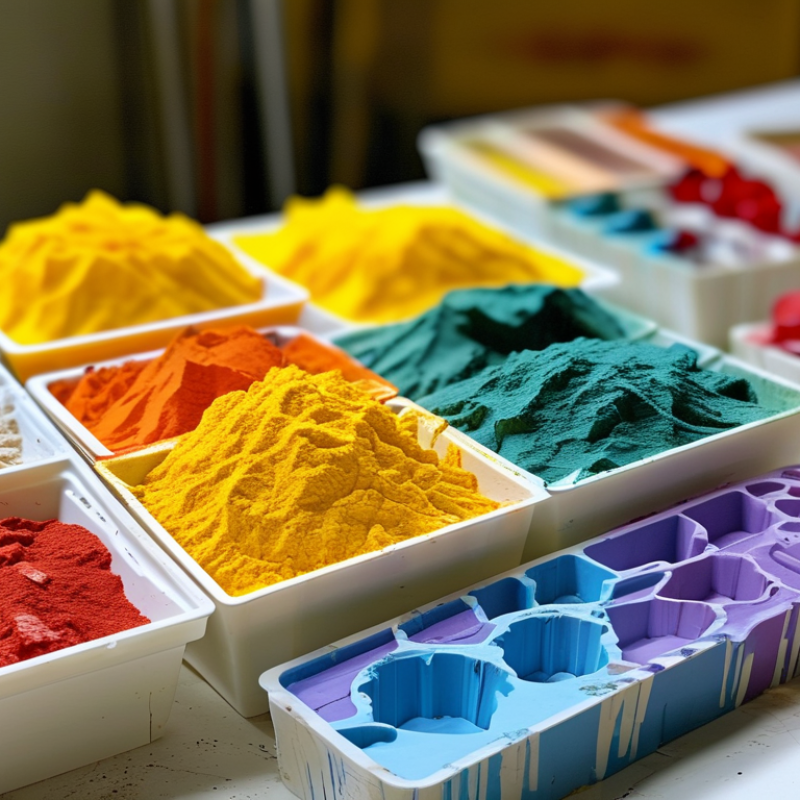
Choosing a PE carrier color masterbatch in 2026 starts with the polymer grade, not the color chart. Check the target PE density first. A practical working range is 0.910–0.965 g/cm³. Lower-density PE often needs a flexible carrier, while higher-density PE may require a stiffer, more compatible structure. Small mismatch, big trouble.
Melt flow index, or MFI, is equally important. Compare the masterbatch MFI with the base resin under the same test temperature, load, and standard. A carrier with a sharply different flow rate may cause streaks, poor dispersion, unstable feeding, or changes in finished-part strength. For example, a high-MFI film grade may not perform well in a low-MFI injection grade. The equipment matters too. Screw design and shear can change the result.
During trials, record density, MFI, dosage, processing temperature, and screw speed. Start with a small production-relevant batch, then inspect color uniformity at the beginning, middle, and end of the run. Do not judge compatibility from a single molded sample. It can hide feeding problems. In my experience, matching MFI closely is helpful, but it is not a guarantee. Pigment loading, additive packages, moisture, and residence time can still alter performance. One overlooked detail is recycled PE variation. Its density and MFI may shift between lots, so the selected carrier should tolerate realistic fluctuations rather than only laboratory values.
How to Choose PE Carrier Color Masterbatch in 2026?
Set each color target with CIELAB values, not a visual sample alone. Record L*, a*, and b* under controlled lighting, such as D65 with a 10° observer. This creates a measurable target for the PE carrier masterbatch. During approval, require ΔE00 below 1.0 against the reference plaque. A lower value usually means a closer visual match, but the number is not the whole story. Surface gloss, film thickness, and haze can still change the perceived color.
Use the same PE resin grade, let-down ratio, processing temperature, and cooling conditions during testing. A masterbatch that matches on a laboratory plaque may shift in blown film or injection molding. Check several production samples, not only one. Keep the spectrophotometer geometry and calibration records consistent. Small testing errors can affect the result. In practice, I would also review color stability after heat exposure, because some pigments lose strength during repeated processing.
Tips: Measure the natural resin first. Compare L*, a*, and b* changes separately. If ΔE00 exceeds 1.0, identify whether lightness, redness, yellowness, or chroma caused the shift. Ask for a retain sample from each approved batch. Do not rely on a single operator’s visual judgment. Human vision is useful, but inconsistent. A strict target can also become unrealistic when recycled content or resin variation is introduced, so document acceptable process limits before production.
How to Choose PE Carrier Color Masterbatch in 2026?
Check Carrier Compatibility: Compare Masterbatch and Resin MFI
Polyethylene processing is growing, not shrinking. PlasticsEurope’s 2024 market data reports about 414 million tonnes of global plastics production in 2023. That scale makes carrier compatibility a practical quality issue, not a laboratory detail. A PE color masterbatch should be tested against the actual resin grade. Do not compare MFI numbers blindly.
MFI only matters when test conditions match. ISO 1133-1 defines melt flow rate testing procedures, including temperature, load, and sample preparation. For many PE grades, technicians use 190°C and 2.16 kg, but the resin datasheet must confirm the correct method. Compare the masterbatch MFI with the resin under identical conditions. A carrier with a moderately higher MFI often disperses faster. However, an excessive difference may cause streaks, uneven dosing, or unstable melt strength.
Start with a small trial. Record screw speed, melt temperature, pressure, and color uniformity. A 10% masterbatch may behave differently from a 2% dosage. That point is easy to miss. In production reviews, operators sometimes select the highest-MFI carrier for quick dispersion. This shortcut can fail in blown film or thin-wall molding, where melt strength matters. I would also check recycled-content variation, because changing resin MFI can quietly change the color result. Confirm the final choice through repeated runs, not one attractive sample.
How to Choose PE Carrier Color Masterbatch in 2026?
Let-down ratio determines color strength, cost, and processing stability. For polyethylene applications, a practical dosage often ranges from 1% to 5%. The correct level depends on pigment concentration, product thickness, opacity, and the required shade. Start with the math.
For 25 kilograms of natural PE, a 1% dosage means 0.25 kilograms of masterbatch. At 3%, add 0.75 kilograms. At 5%, add 1.25 kilograms. These figures use the natural resin weight as the calculation base.
A 1% dosage may suit light shades or highly concentrated formulations. Medium colors often perform well around 2% to 3%. Strong, opaque colors may require 4% to 5%, especially in thick molded parts.
However, more masterbatch does not always create a better result. Excessive loading can affect melt flow, surface appearance, weld lines, or mechanical performance. Small changes matter. I recommend preparing 1%, 2%, 3%, and 5% trial batches under the actual processing temperature and screw speed.
The PE carrier should match the base resin as closely as possible. A mismatched carrier may cause poor dispersion, specks, or uneven gloss. Check the technical data, then confirm results with a controlled production trial.
Measure color against an approved sample after cooling, not only during extrusion. My own testing experience suggests that visual judgment alone can be misleading. Lighting, film thickness, and surface texture often change the perceived shade. Record the batch weight, dosage, temperature, and color result for repeatable adjustments.
Choosing a PE carrier color masterbatch requires more than matching a shade. Processing validation at 190–230°C should guide the decision. A color chip can mislead.
In plant trials, I check melt flow, torque, and pellet feeding at several temperature points. At 190°C, poor dispersion may appear as specks or streaks. At 210°C, the same formulation may look uniform. At 230°C, pigment or additive migration can become visible on rollers, molds, or film surfaces. I record residence time, screw speed, and screen-pack pressure. Small process changes matter.
A practical test uses the target PE resin, production equipment, and the intended let-down ratio. I examine samples immediately, after conditioning, and after heat exposure. Rub tests, odor checks, and surface inspection can reveal blooming that color measurement misses. For films, I also inspect blocking and print adhesion. For molded parts, I check plate-out around the gate and cavity.
My early trials focused too heavily on initial color strength. That was incomplete. A stronger masterbatch is not always more stable. Repeated runs may expose carrier incompatibility or uneven pigment wetting. Keep retained samples from each temperature step. Compare them under consistent lighting. Supplier technical data helps, but machine trials remain essential. Use a written acceptance range, because “looks good” is difficult to reproduce.
Record L, a, and b under controlled D65 lighting with a 10° observer. Visual samples alone can mislead. Gloss, haze, and film thickness may change the perceived color.
A ΔE00 value below 1.0 usually indicates a close match against the reference plaque. However, the number is not everything. Review the surface appearance too.
Use the same resin grade, dosage, processing temperature, and cooling conditions. Test several production samples. One attractive plaque is not enough.
Keep the spectrophotometer geometry and calibration records consistent. Small measurement errors matter. Operator judgment can also vary.
Review color stability after heat exposure and repeated processing. Some pigments may lose strength. That change is easy to overlook.
Compare both MFI values under identical temperature, load, and preparation conditions. Do not compare numbers blindly. The test method matters.
No. A moderately higher MFI may improve dispersion. An excessive difference can cause streaks, uneven dosing, or unstable melt strength. Fast flow is not always better.
A 10% dosage may behave differently from a 2% dosage. Record screw speed, melt temperature, pressure, and color uniformity. Small trials reveal practical problems.
Recycled resin can change MFI and color response between batches. Document acceptable process limits before production. The target may be too strict. I would question any limit that ignores normal resin variation.
Choosing the right Pe Carrier Color Masterbatch in 2026 requires a systematic evaluation of both resin requirements and processing conditions. Start by identifying the PE grade, including its density range of 0.910–0.965 g/cm³ and melt flow index (MFI), so the color concentrate can blend smoothly with the base resin. Define the desired color using CIELAB values and maintain ΔE00 below 1.0 when consistent color accuracy is essential.
Carrier compatibility is equally important. Compare the MFI of the masterbatch with that of the PE resin to support uniform dispersion and stable processing. Calculate the let-down ratio carefully, with typical PE dosage levels ranging from 1% to 5%, depending on pigment strength and color depth. Finally, validate performance at processing temperatures of 190–230°C, checking dispersion, migration resistance, thermal stability, and final color consistency. This structured approach helps achieve reliable results while reducing processing issues and material waste.