What Are PE Carrier Pigment Pellets and How Do They Work?

Time:2026-10-09 Author:Madeline
0%

Pe Carrier Pigment Pellets are engineered color concentrates designed to give polyethylene products consistent, efficient coloration. They combine selected pigments with a compatible polyethylene carrier. During processing, heat softens the carrier and releases pigment into the surrounding resin. Proper dispersion creates an even shade across film, pipe, packaging, or molded components.

The process appears simple. It is not always simple. Pigment loading, carrier compatibility, melt temperature, and screw design can all affect performance. Dr. Chris Rauwendaal, a recognized polymer-processing specialist, emphasizes this practical principle: “A carrier must melt, disperse, and remain compatible with the host resin.” That statement captures the central function of Pe Carrier Pigment Pellets. The carrier transports pigment, supports uniform mixing, and helps reduce concentrated color streaks.

In production, operators usually blend pellets with natural polyethylene before feeding the mixture into an extruder or molding machine. A well-designed pellet should disperse without excessive dust, blocking, or unstable color. For example, a blue pellet may produce a clean, repeatable shade in thin film, while a poorly matched carrier can create cloudy areas or visible specks. Small differences matter.

This guide examines how Pe Carrier Pigment Pellets work, from formulation to final application. It also considers practical variables, including dosage, thermal stability, pigment strength, and recycling requirements. No pellet solves every processing problem. That deserves attention. A formulation that performs well in one polyethylene grade may require adjustment in another. Understanding those limits supports better color control, fewer rejects, and more reliable manufacturing decisions.
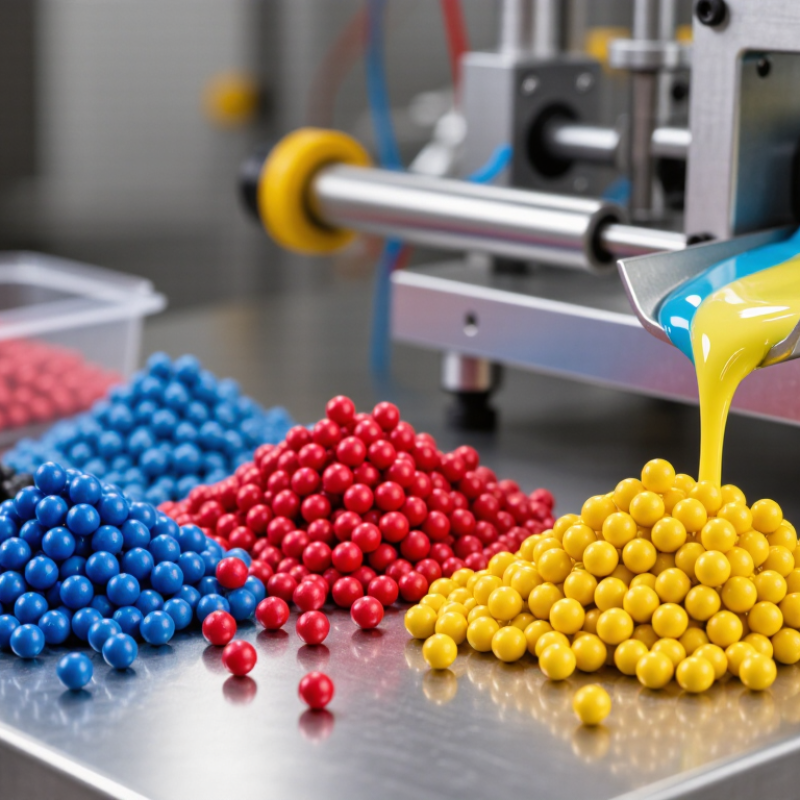
What Are PE Carrier Pigment Pellets and How Do They Work?

What Are PE Carrier Pigment Pellets?

PE carrier pigment pellets are concentrated color additives made with polyethylene resin. The pellets contain finely dispersed pigments inside a PE carrier. They are usually added to natural or uncolored polyethylene during extrusion, injection molding, or blow molding.

Think of each pellet as a small color package. When heated, the PE carrier melts and releases pigment into the surrounding polymer. Mixing then spreads the color through the melt. The final shade depends on dosage, resin type, temperature, and mixing time. A pale film may need only a small addition, while a dark container requires more concentrate.

Compatibility matters greatly. A PE carrier generally performs best with polyethylene materials. However, different grades can still behave differently. Melt flow, processing temperature, and shear affect dispersion. Pigment heat stability also deserves attention, especially during long production runs. Poor dispersion may create streaks, specks, or uneven surfaces.

Small trials are essential. Measure the pellets carefully. Keep the addition rate consistent. In a production setting, operators often compare a molded sample against a retained color standard under controlled lighting. This simple step catches many errors.

The process sounds straightforward, but results are not always perfect. Excessive pigment can reduce mechanical performance or change surface texture. Insufficient mixing can leave visible color clouds. Some color judgments also depend on lighting, which is easy to overlook. A reliable supplier should provide technical data, recommended processing ranges, and batch traceability. Yet practical testing remains necessary, because the same formula may behave differently on another machine.

What Materials and Properties Define PE Carrier Pellets?

PE carrier pigment pellets are concentrated color systems built on polyethylene resin. The carrier can be low-density PE, linear low-density PE, or high-density PE. Their density typically ranges from about 0.910 to 0.965 g/cm³, according to ASTM D4976 classifications.

Pigments may be organic or inorganic. They must tolerate processing temperatures commonly used for PE, often between 160°C and 230°C. Good pellets also need stable melt flow, low moisture, and strong pigment dispersion. Plastics Europe reported 413.8 million tonnes of global plastics production in 2023. This scale increases demand for consistent, efficient color concentrates. The OECD also reported that global plastics production more than doubled from 2000 to 2019, reaching 460 million tonnes. These figures show why predictable carrier performance matters in high-volume extrusion and molding.

Pellets work through controlled dilution. A processor blends the concentrate with natural PE, then heat and shear distribute the pigment through the melt. Matching the carrier’s melt flow with the base resin usually improves uniformity. Poor matching can create streaks, specks, or uneven gloss. Perfect dispersion is still an aspiration in difficult formulations.

Tips: Check the technical data sheet before production. Compare density, melt flow rate, pigment loading, and recommended let-down ratio. A small trial batch can reveal problems that laboratory color tests miss. Also, do not assume a higher pigment loading always reduces cost. It may increase dispersion demands and waste.

What Are PE Carrier Pigment Pellets and How Do They Work? — Materials and Properties That Define PE Carrier Pellets
Data Dimension Typical Material or Property How It Defines the Pellet Practical Function in Pigment Masterbatch Processing
Carrier Polymer Polyethylene, commonly LDPE, LLDPE, or HDPE The carrier is the continuous polymer phase that surrounds and transports pigment particles. It enables the pigment concentrate to blend with a polyethylene-based end product during melt processing.
Low-Density Polyethylene Branched polyethylene with a typical density of approximately 0.910–0.935 g/cm³ LDPE generally offers good flexibility, melt flow, and compatibility with many flexible polyethylene applications. It is often suitable for films, flexible packaging structures, liners, and other products requiring smooth dispersion and flexibility.
Linear Low-Density Polyethylene Linear polyethylene with short-chain branching and a typical density of approximately 0.915–0.940 g/cm³ LLDPE combines useful flexibility with improved tensile and puncture performance compared with many conventional LDPE grades. It can support pigment concentrates used in films and flexible products where toughness and controlled melt behavior are important.
High-Density Polyethylene More linear polyethylene with a typical density of approximately 0.940–0.970 g/cm³ HDPE normally provides higher stiffness, strength, and chemical resistance than lower-density polyethylene. It is appropriate when the final polyethylene product is rigid or semi-rigid, such as containers, closures, pipes, and molded parts.
Pigment Content Formulated according to the required color strength; commonly a concentrated fraction of the pellet mass Higher pigment loading can reduce the required masterbatch dosage, but it also increases the need for effective wetting and dispersion. The correct concentration balances color strength, processing stability, cost efficiency, and the risk of pigment agglomeration.
Pigment Type Organic or inorganic color pigments Organic pigments often provide bright shades and high tinting strength, while inorganic pigments commonly offer strong opacity, heat stability, or weather resistance. Pigment selection determines shade, opacity, thermal behavior, lightfastness, weatherability, and compatibility with the target application.
Dispersion Quality Uniform distribution of fine pigment particles throughout the polymer carrier Good dispersion minimizes specks, streaks, color variation, and localized pigment-rich regions. It produces more consistent color in films, sheets, fibers, profiles, injection-molded parts, and blow-molded products.
Melt Flow Behavior Measured using melt mass-flow rate under a specified temperature and load Melt flow indicates how readily the molten carrier moves during extrusion or molding; the value depends on polymer type, molecular weight, temperature, and test conditions. A carrier with a suitable melt flow helps the concentrate mix evenly with the base resin without causing excessive pressure, surging, or poor surface appearance.
Processing Temperature Often processed within a polyethylene melt-processing range, commonly around 160–230°C depending on the resin and equipment The actual temperature must be high enough to melt the carrier but controlled to avoid pigment degradation, polymer oxidation, or excessive thermal history. Correct temperature control supports stable extrusion, consistent color development, and reduced risk of odor, discoloration, or surface defects.
Compatibility Chemical and rheological compatibility between the carrier pellet and the base polyethylene resin Similar polymer chemistry generally improves melt blending and reduces phase separation. Compatibility helps prevent color instability, weak interfaces, uneven gloss, and mechanical-property losses in the finished product.
Moisture Behavior Polyethylene has very low moisture absorption compared with hygroscopic engineering plastics The carrier itself normally does not absorb significant moisture, although pigments, additives, packaging, and storage conditions can introduce surface moisture. Dry, properly stored pellets help reduce bubbles, splay, surface defects, and inconsistent feeding during processing.
Thermal Stability Resistance of the carrier and pigment system to the intended processing heat and residence time Thermal stability depends on polyethylene grade, pigment chemistry, stabilizers, oxygen exposure, and processing conditions. It is essential for maintaining color accuracy and preventing yellowing, fading, smoke, or polymer degradation during repeated production runs.
Particle Form Uniform solid pellets, typically produced by strand, underwater, or other melt-pelletizing methods Consistent pellet size and shape improve feeding accuracy, conveying, and dosing through automated equipment. Uniform granules reduce bridging, dust generation, feed fluctuations, and variation in final color concentration.
Bulk Density Dependent on polymer density, pellet geometry, and internal voids; commonly reported in g/cm³ or kg/m³ Bulk density affects the volume occupied by the pellets and the behavior of gravimetric or volumetric feeding systems. Stable bulk density supports repeatable dosing and helps operators calculate storage capacity and material consumption.
Surface Appearance Smooth, clean, and relatively dust-free pellet surface A consistent surface indicates controlled pelletizing and helps limit fines, contamination, and handling losses. Clean pellets improve workplace handling, feeder performance, and the visual consistency of the final colored product.
Color Strength Ability of the pigment concentrate to produce the required shade at a practical addition rate Color strength is influenced by pigment concentration, particle size, dispersion, carrier selection, and the optical properties of the final resin. High and consistent color strength can reduce masterbatch usage while maintaining target shade and opacity.
Opacity and Hiding Power Controlled by pigment type, concentration, particle-size distribution, and dispersion quality Good hiding power allows the color to cover the underlying substrate or base-resin variation more effectively. It is especially important for opaque films, molded articles, profiles, containers, and products made from recycled or mixed-color materials.
Light and Weather Resistance Application-dependent resistance to ultraviolet exposure, heat, oxygen, and outdoor weathering Inorganic pigments often provide strong durability, while selected organic pigments can also offer high lightfastness when properly formulated. The required durability level should match the expected indoor, outdoor, automotive, agricultural, or long-term service environment.
Additive Compatibility Compatibility with stabilizers, lubricants, processing aids, fillers, and other masterbatches Additives can affect pigment wetting, melt viscosity, surface migration, color development, and long-term stability. Compatibility testing helps avoid interactions such as plate-out, blooming, poor adhesion, shade drift, or reduced mechanical performance.
Typical Dosing Principle Added to the base polyethylene at a controlled percentage based on desired color intensity and pigment loading The required dosage depends on the concentrate strength, base-resin color, product thickness, opacity target, and processing method. Accurate dosing provides repeatable shade and helps control material cost without over-concentrating the final compound.
Working Mechanism Pellet feeding → melting → pigment wetting → distributive mixing → dilution in the base resin → solidification Heat softens the carrier, and shear from the screw or mixing system separates and distributes pigment particles through the molten polyethylene. The process converts a concentrated, easy-to-handle pellet into a uniform color system throughout the finished polyethylene product.
Storage Considerations Keep sealed, clean, and protected from excessive heat, moisture, ultraviolet exposure, and contamination Although polyethylene is moisture-resistant, prolonged exposure to heat, sunlight, dust, or incompatible materials can affect handling and performance. Proper storage helps preserve pellet flow, color consistency, surface cleanliness, and predictable processing behavior.
Note: Actual values for density, melt flow, pigment loading, processing temperature, and dosing rate vary with the polyethylene grade, pigment chemistry, equipment, and end-use requirements. Always confirm the technical data for the selected formulation before production.

How Are Pigments Incorporated into PE Pellets?

PE carrier pigment pellets are concentrated color compounds designed for controlled addition during plastic processing. Their core is a polyethylene carrier, such as LDPE, LLDPE, or HDPE. Pigments are selected for heat stability, opacity, migration resistance, and compatibility with the final resin. The process sounds neat. Production rarely is.

Manufacturers usually weigh pigments, carrier resin, and additives before feeding them into a high-shear twin-screw extruder. Inside the barrel, heat softens the polyethylene while screw pressure breaks pigment agglomerates apart. Dispersing agents can improve wetting around each particle. A screen pack then removes oversized contaminants. The molten strand is cooled in water or air and cut into uniform pellets. Small details matter. Excessive shear may damage sensitive pigments, while insufficient mixing creates streaks or weak color strength.

PlasticsEurope reported global plastics production of 413.8 million tonnes in 2023, showing the scale of applications requiring consistent coloration. Grand View Research estimated the global masterbatch market at about USD 12.6 billion in 2023, with continued growth expected through the decade. These figures support the need for repeatable pellet design, not merely attractive color samples. A practical check involves testing melt flow, pigment dispersion, dosing accuracy, and color difference under real processing conditions. A tiny moisture pocket can cause surface defects. That assumption can fail. Even a well-dispersed pellet may perform differently in film, pipe, or injection molding. Density, cooling rate, and residence time still require adjustment.

What Are PE Carrier Pigment Pellets and How Do They Work?

Typical composition ranges of polyethylene pigment masterbatch pellets

PE carrier pigment pellets are concentrated color compounds made by dispersing pigments into molten polyethylene. The carrier resin helps transport and distribute the pigment during later processing. Typical formulations contain approximately 60–85% PE carrier, 10–35% pigment, and 0–5% functional additives such as dispersants or processing aids. Actual levels vary with pigment strength, color target, and end-use requirements.

How Do PE Carrier Pigment Pellets Work in Plastics?

PE carrier pigment pellets work by delivering concentrated color through a polyethylene-based carrier resin. Each pellet contains pigment particles dispersed throughout the carrier. During processing, heat softens the pellet, while screw shear breaks it into smaller streams. These streams blend with the base plastic and spread color through the melt. The result depends on temperature, mixing time, and pigment loading. A suitable carrier should match the host resin closely. Poor compatibility can create streaks, specks, or uneven gloss.

Small details matter. Operators usually feed pellets by weight, not by appearance. A trial batch can reveal whether the dosage produces the intended shade. Too little mixing may leave cloudy patches. Excessive heat can damage sensitive pigments or alter the polymer. Moisture, contamination, and an inaccurate feeder can also change results.

I have found that a clean hopper and steady feed rate often matter as much as pigment selection. That assumption is not perfect, though; every machine and formulation behaves differently. Test plaques, molded parts, or film samples should be checked under consistent lighting.

Color measurement improves repeatability, but visual inspection still catches defects that instruments may miss. PE carrier pigment pellets reduce pigment dust and support controlled addition. Their performance remains process-dependent.

What Factors Affect Their Selection and Performance?

What Are PE Carrier Pigment Pellets and How Do They Work?

PE carrier pigment pellets are concentrated color materials designed for polyethylene processing. They contain pigment dispersed inside a polyethylene carrier resin. During extrusion or injection molding, the pellets melt and distribute color through the base polymer. Good dispersion prevents streaks, specks, and uneven shades. It also reduces cleaning time between production runs.

Selection starts with carrier compatibility. A polyethylene carrier usually performs best in a polyethylene-based product. The wrong carrier can create weak spots, poor gloss, or unstable color. Pigment type matters too. Organic pigments may provide bright shades, while inorganic pigments often offer stronger heat and light resistance. The final application decides the better choice.

Processing conditions strongly affect performance. High temperature can damage sensitive pigments or change the shade. Excessive shear may improve dispersion, but it can also raise melt temperature. Pellet loading, mixing time, and screw design must match the equipment. In practical trials, I check a molded sample under both daylight and factory lighting. Small differences can become obvious later. Moisture, contamination, and poor storage can also reduce consistency.

End-use requirements should guide the decision. Outdoor products need weather resistance. Thin films need strong dispersion and low blocking risk. Food or medical applications require suitable documentation and controlled raw materials. There is no perfect formulation. A slightly higher pigment cost may prevent rejected parts, yet laboratory results do not always predict full-scale production. Trial runs, color measurements, and regular process checks remain essential.

FAQS

What are PE carrier pigment pellets made from?

They use polyethylene resin as the carrier. This may be low-density, linear low-density, or high-density polyethylene. Pigments can be organic or inorganic.

What processing temperatures can these pellets tolerate?

Many formulations tolerate roughly 160°C to 230°C. Check the technical data sheet for the exact limit. Excessive heat may damage sensitive pigments or change the polymer.

How do the pellets add color to plastic?

Heat softens each pellet, while screw shear spreads pigment through the melt. The concentrate blends with natural polyethylene. Controlled dilution creates the final shade.

Why should the carrier and base resin have similar melt flow?

Similar melt flow usually improves color uniformity. Poor matching can cause streaks, specks, or uneven gloss. The result is not always predictable.

What should be checked before production?

Compare density, melt flow rate, pigment loading, and recommended let-down ratio. Check moisture and cleanliness, too. A small trial can expose hidden problems.

Can higher pigment loading always reduce production cost?

No. Higher loading may reduce pellet dosage, but it can demand stronger dispersion. More waste may follow. The cheaper option is not always cheaper.

How should operators verify the final color?

Feed pellets by weight using a steady feeder. Inspect films, plaques, or molded parts under consistent lighting. Color measurement helps, but visual inspection still catches defects.

What common issues can affect color consistency?

Inadequate mixing may leave cloudy patches. Moisture, contamination, or an inaccurate feeder can change the shade. Clean equipment helps, but every machine behaves differently.

Conclusion

Pe Carrier Pigment Pellets are concentrated color additives designed to bring consistent, efficient coloring to polyethylene and other compatible plastic materials. They typically combine a polyethylene-based carrier resin with finely dispersed organic or inorganic pigments, along with selected additives that support flow, stability, and processing performance. The carrier helps protect and distribute the pigment, making the concentrate easier to handle, store, and blend than loose pigment powder.

During production, pigments are mixed into the PE carrier under controlled heat and shear, then formed into uniform pellets. When these pellets are added to a plastic formulation, they melt and disperse throughout the polymer during extrusion, molding, or other thermal processing. Their performance depends on factors such as pigment concentration, carrier compatibility, color strength, dispersion quality, thermal and light stability, dosage, and processing temperature. Choosing the right grade helps achieve uniform color, reliable production, reduced dust, and efficient material usage.


Madeline

Madeline

Madeline is a dedicated marketing professional with a wealth of expertise in our company's core offerings. With a keen understanding of the industry, she brings a unique perspective to her role, consistently delivering high-quality content that highlights the superior aspects of our products. As......