What Is Polyethylene Color Masterbatch Used For?

Time:2026-09-14 Author:Isabella
0%

Polyethylene Color Masterbatch gives everyday plastic products a consistent, attractive, and functional appearance. It is used in films, bottles, caps, pipes, containers, agricultural covers, and household packaging. Instead of adding raw pigment directly, manufacturers blend concentrated color granules with polyethylene resin. This method improves dosing accuracy and reduces pigment dust during production.

Dr. John Scheirs, a recognized polymer technology author, has expressed a practical principle: “Color must support the product, not merely decorate it.” That idea matters on a busy factory floor. A blue polyethylene film should disperse evenly, without streaks or weak patches. A black pipe may also need carbon black for ultraviolet protection. The correct Polyethylene Color Masterbatch therefore depends on resin type, processing temperature, dosage, and final-use requirements.

Small details matter.

A suitable carrier resin helps the masterbatch mix smoothly with polyethylene. Poor compatibility can create specks, surface defects, or unstable shades. Excessive pigment loading may also affect strength, sealing, or melt flow. For food packaging, drinking-water components, and children’s products, manufacturers must verify applicable safety and quality requirements. Outdoor applications may require weather-resistant pigments and stabilizers.

The choice is not always obvious. A color that looks perfect in pellets may appear different after extrusion. Recycled polyethylene can make shade control less predictable. Testing under actual production conditions remains essential. This article examines what Polyethylene Color Masterbatch is used for, how it performs, and where selection decisions can quietly influence product quality.
What Is Polyethylene Color Masterbatch Used For?

What Is Polyethylene Color Masterbatch?

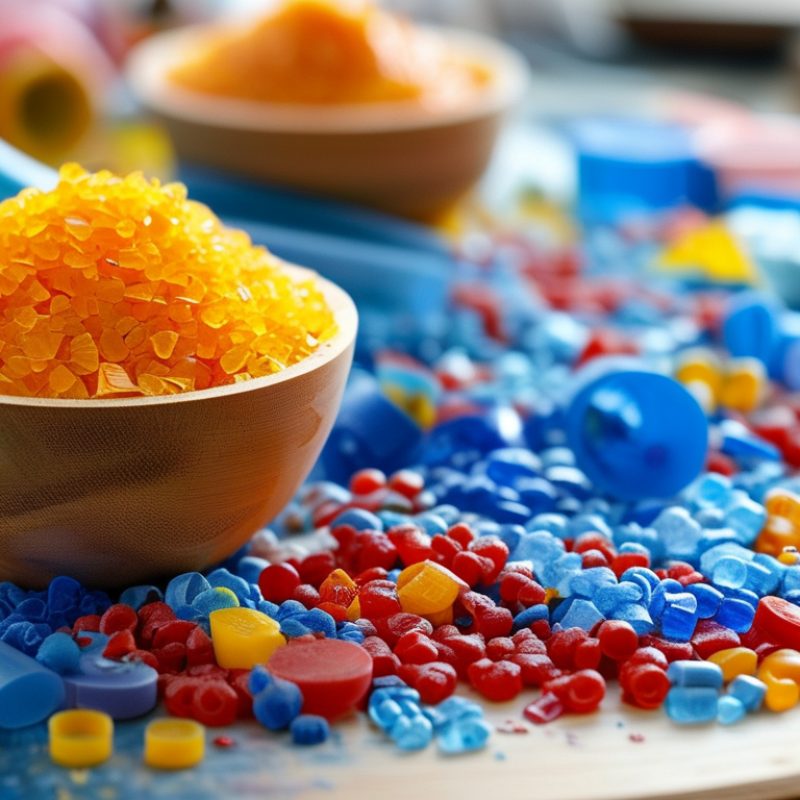
Polyethylene color masterbatch is a concentrated mixture of pigments, additives, and a polyethylene carrier resin. It usually appears as small, uniform pellets. During production, manufacturers blend these pellets with natural polyethylene. Heat and shear then distribute the color through the melt.

This material is used for films, bags, containers, pipes, caps, agricultural products, and molded household parts. A measured dosage can create consistent shades across large production runs. It can also reduce dust compared with handling loose pigments. The carrier should match the main polyethylene grade whenever possible. Poor compatibility may cause streaks, weak welds, or uneven color.

Color masterbatch also helps processors control opacity, brightness, and visual identification. Some formulations include additives for weather resistance or processing stability, but performance depends on the complete recipe. In production practice, a color that looks correct in a sample may change after cooling, stretching, or exposure to light. Testing is essential. It is not a magic solution. I have found that dosage accuracy matters more than many teams expect. Too little produces dull areas, while too much can affect mechanical properties. Even mixing temperature can change the final appearance. That detail is easy to overlook.

How Polyethylene Color Masterbatch Is Made

What Is Polyethylene Color Masterbatch Used For?

Polyethylene color masterbatch is used to color films, bags, caps, containers, pipes, and molded parts. It combines concentrated pigments with a polyethylene carrier resin. This format improves dosing, reduces pigment dust, and supports more consistent color during production. PlasticsEurope reported global plastics production of 413.8 million tonnes in 2023, showing the scale of applications that require reliable coloration.

How Polyethylene Color Masterbatch Is Made

Manufacturing begins with pigment selection. Technicians check shade strength, heat stability, light resistance, and compatibility with the target polyethylene grade. The pigment and carrier are weighed carefully, then blended with dispersing additives when needed. A twin-screw extruder melts the polyethylene and distributes pigment throughout the polymer. Strong shear helps break pigment agglomerates into smaller particles.

The molten strand is cooled, dried, and cut into pellets. Quality teams then test color difference, moisture, melt flow rate, and dispersion. ISO 1133 methods are commonly used to evaluate melt flow behavior. Poor dispersion can create streaks, weak spots, or unstable shades in thin film. It happens more often than specifications suggest.

A 2022 OECD report estimated that only 9% of global plastic waste was recycled in 2019. This makes carrier selection increasingly important. Recyclable polyethylene streams may require compatible pigments and carefully controlled additive levels. A masterbatch that performs well in virgin resin may behave differently after recycling. Small production trials remain necessary, even when laboratory results look convincing.

What Is Polyethylene Color Masterbatch Used For?

Typical polyethylene color masterbatch addition ranges by processing application

Polyethylene color masterbatch is a concentrated blend of pigments or dyes, polyethylene carrier resin, and selected additives. It is commonly used in films, blow-molded containers, injection-molded products, and extrusion profiles. The masterbatch is mixed with natural polyethylene during processing to achieve consistent color while reducing handling and dispersion problems. The dosage ranges shown are representative industry working ranges; the actual level depends on pigment strength, product thickness, opacity, and the required color.

How It Adds Color to Polyethylene Products

Polyethylene color masterbatch is a concentrated mixture of pigments, additives, and a compatible carrier resin. It adds consistent color during extrusion, injection molding, and blow molding. The masterbatch melts with polyethylene pellets, spreading pigment through the polymer.

A converter may use about 1% to 5% masterbatch, depending on shade strength, product thickness, and pigment type. A small dosing error can change a pale blue container into a noticeably darker one. Color matching requires controlled heating, accurate weighing, and testing under the final lighting conditions. Bright colors often need stronger pigment loading. Black products may require carbon-based pigments and careful dispersion.

The demand is substantial. PlasticsEurope reported global plastics production of 400.3 million tonnes in 2022. Its Plastics—The Fast Facts 2023 report also showed packaging accounted for 39.1% of European plastics demand. These figures explain why color control matters across films, caps, bottles, pipes, and household containers. Color masterbatch can also support product identification, such as separating different pipe grades or organizing recycling streams. But color alone does not prove material quality. A masterbatch can look perfect in a sample and fail after outdoor exposure. Weathering tests, migration checks, and melt-flow compatibility remain necessary. That lesson is easy to overlook.

What Is Polyethylene Color Masterbatch Used For? - How It Adds Color to Polyethylene Products

Application Typical Polyethylene Substrate How the Masterbatch Is Used Typical Addition Level Color and Performance Considerations
Packaging Films and Bags Linear low-density polyethylene (LLDPE) or low-density polyethylene (LDPE) Pellets are blended with natural polyethylene before blown-film or cast-film extrusion. Approximately 1–5% by weight, depending on pigment strength and desired opacity Good dispersion helps prevent streaks, color variation, and weak spots in thin films.
Agricultural Films LDPE or LLDPE film grades Color masterbatch is incorporated during extrusion to create opaque, tinted, or light-management films. Approximately 1–6% by weight Pigment selection should be compatible with outdoor exposure, heat, and any required ultraviolet-stabilizer system.
Containers and Bottles High-density polyethylene (HDPE) or injection-grade PE The masterbatch is dry-blended or gravimetrically dosed with resin before injection molding or extrusion blow molding. Approximately 1–4% by weight High pigment dispersion supports uniform color across thick walls, handles, closures, and molded details.
Pipes and Fittings High-density polyethylene (HDPE) or PE100 pipe compounds A compatible color concentrate is mixed into the pipe compound before extrusion. Approximately 1–5% by weight, subject to the required color depth and formulation The colorant system must not compromise required mechanical, thermal, or long-term service properties.
Household and Consumer Products HDPE, LDPE, or LLDPE molding grades Color concentrate is added during injection molding, rotational molding, or extrusion. Approximately 1–5% by weight Common benefits include consistent appearance, easier color changes, and reduced handling compared with loose pigments.
Wire and Cable Jacketing LDPE, HDPE, or other PE-based jacketing compounds The masterbatch is metered into the polyethylene compound before extrusion around the conductor. Approximately 1–4% by weight The formulation should provide stable color, smooth processing, and compatibility with the cable compound.
Rotomolded Tanks and Large Parts Powder-grade or rotational-molding-grade polyethylene Color masterbatch is blended with polyethylene powder before heating and rotational molding. Approximately 2–6% by weight Uniform distribution is important for large surfaces, while pigment stability must match the molding cycle.
Data note: Addition levels are general processing ranges for polyethylene applications, not fixed specifications. The final dosage depends on pigment concentration, target shade, opacity, product thickness, processing method, resin grade, and regulatory requirements. A compatibility and dispersion trial should be completed before production.

Common Applications Across Polyethylene Manufacturing

What Is Polyethylene Color Masterbatch Used For?

Common Applications Across Polyethylene Manufacturing

Polyethylene color masterbatch adds consistent color to films, bags, containers, pipes, and molded parts. Manufacturers blend concentrated pigment pellets with natural polyethylene during extrusion or molding. This method reduces dust, simplifies storage, and supports accurate dosing on busy production lines.

Small changes matter.

In blown film production, masterbatch creates colored shopping bags, agricultural films, packaging films, and protective covers. Operators may adjust the dosage when film thickness changes. A thin film can appear lighter than a thick one, even with the same formulation.

This detail is easy to overlook.

In injection molding, color masterbatch helps produce caps, crates, storage boxes, and household components with repeatable shades. Good dispersion prevents streaks, specks, and weak color zones.

Pipe and cable manufacturers also use color masterbatch for identification and visual consistency. Different colors can distinguish product types, layers, or installation purposes. Rotational molding uses it for tanks, bins, playground parts, and outdoor equipment.

These products need pigments that tolerate heat, sunlight, and long service periods.

Indoor samples can mislead. Outdoor exposure may reveal fading months later.

A reliable selection considers the polyethylene grade, processing temperature, pigment stability, and required regulations. Compatibility is essential. Poor matching can cause surface defects, clogged screens, or uneven color.

Production teams should test the final product, not only the masterbatch pellet. Their evaluation may include shade, dispersion, migration, weathering, and mechanical performance.

Key Benefits and Selection Considerations

What Is Polyethylene Color Masterbatch Used For?

Key Benefits and Selection Considerations

Polyethylene color masterbatch adds stable color to films, containers, pipes, caps, and agricultural products. It contains concentrated pigments dispersed in a polyethylene carrier. During production, processors blend it with natural resin at a controlled dosage. A measured scoop can change a clear film into a strong blue sheet. The same method supports bright packaging, dark refuse bags, and evenly colored molded parts.

The main benefit is consistency. Good dispersion reduces streaks, specks, and shade variation across production runs. Masterbatch can also improve opacity, helping a thin film hide the surface underneath. Some formulations support UV resistance or heat stability, but these properties depend on the pigment and application. Color conversion is cleaner than handling loose powder. Less dust can make the processing area easier to manage. Still, “cleaner” does not mean risk-free.

Selection requires practical testing. Match the carrier with the base polyethylene, such as LDPE, LLDPE, or HDPE. Check processing temperature, shear conditions, film thickness, and target dosage. A pigment suitable for injection molding may perform poorly in blown film. Review technical data, safety information, batch consistency, and any application-specific compliance documents. Test samples under real production conditions. I have seen attractive laboratory colors shift after cooling or exposure to sunlight. That lesson is easy to overlook. Cost per kilogram also matters less than total color cost, including scrap, cleaning, and rejected products.

FAQS

What is polyethylene color masterbatch used for?

It colors films, bags, caps, containers, pipes, and molded parts. It can turn clear film into a blue sheet.

What does polyethylene color masterbatch contain?

It contains concentrated pigments, polyethylene resin, and sometimes dispersing additives. The carrier helps pigments mix evenly.

How is polyethylene color masterbatch manufactured?

Pigments and resin are weighed, blended, melted, and mixed in a twin-screw extruder. The melted strand is cooled and cut into pellets.

Why is pigment dispersion important?

Good dispersion reduces streaks, specks, weak spots, and uneven shades. Poor dispersion remains a common production problem.

What quality tests are commonly performed?

Producers check color difference, moisture, melt flow, and pigment dispersion. Thin films can reveal defects quickly.

How should the correct masterbatch be selected?

Match the carrier with the polyethylene grade, such as LDPE, LLDPE, or HDPE. Check processing temperature, shear, film thickness, and dosage.

Can one masterbatch work for every plastic process?

Not always. A pigment suitable for injection molding may shift or disperse poorly in blown film.

Why are production trials still necessary?

Laboratory results can look perfect, yet color may change after cooling or sunlight exposure. Small trials expose practical problems early.

Does masterbatch reduce production mess?

It usually creates less dust than loose pigment powder. Cleaner does not mean risk-free.

What costs should buyers consider?

Consider dosage, scrap, cleaning, rejected products, and color stability. The lowest price per kilogram may not be the lowest total cost.

Conclusion

Polyethylene Color Masterbatch is a concentrated mixture of pigments or dyes, polymer carrier resin, and selected additives used to give polyethylene products consistent, attractive colors. It is produced by dispersing colorants evenly into a compatible polyethylene-based carrier, followed by mixing, melting, and pelletizing. During manufacturing, these pellets are blended with natural polyethylene before processing, allowing the color to distribute throughout the finished material during extrusion, injection molding, blow molding, or film production.

Polyethylene Color Masterbatch is widely used in packaging films, bottles, containers, pipes, agricultural films, household products, and industrial components. It can improve color consistency, processing efficiency, and production flexibility while reducing the need to handle large quantities of raw pigments. When selecting a masterbatch, manufacturers should consider the polyethylene grade, processing temperature, required color strength, dispersion quality, weather or heat resistance, dosage, and regulatory suitability. Choosing a compatible formulation helps achieve reliable appearance and stable product performance.


Isabella

Isabella

Isabella is a dedicated marketing professional with a sharp focus on driving brand growth and engagement through strategic content creation. With an extensive background in digital marketing, she combines her passion for storytelling with her keen understanding of industry trends to deliver......