Pe Based Color Masterbatch plays a quiet but decisive role in polyethylene products. It controls appearance, processing consistency, and sometimes product performance. A thin film, a woven sack, and a heavy-duty container may all require different formulations. The pigment must disperse evenly. It must also survive heat, shear, cooling, and outdoor exposure.
Color specialist Stephen Moore once remarked, “The best color is the one that survives the process.” That practical view remains valuable. A bright pellet is not enough. The final product may show streaks, shade drift, pigment migration, or weak coverage. Small errors become visible on a smooth film. They become costly in large-scale production.
This guide examines ten important types of Pe Based Color Masterbatch. The range includes white, black, standard shades, transparent colors, fluorescent grades, pearlescent effects, metallic effects, high-temperature formulations, UV-resistant colors, and recycled-polymer solutions. Each type has a different purpose. Titanium dioxide may create strong opacity, while carbon black demands careful dispersion and conductivity control. Transparent colors need clean resin and accurate dosing.
Experience matters here. Testing should include melt flow behavior, let-down ratio, color difference, heat stability, and migration resistance. Yet no formulation is perfect for every application. That is worth remembering. A lower-cost masterbatch may perform well in one extrusion line but fail in another. Resin grade, screw design, cooling speed, and storage conditions can change the result. The following overview connects these practical details with material selection, helping buyers compare Pe Based Color Masterbatch more reliably.
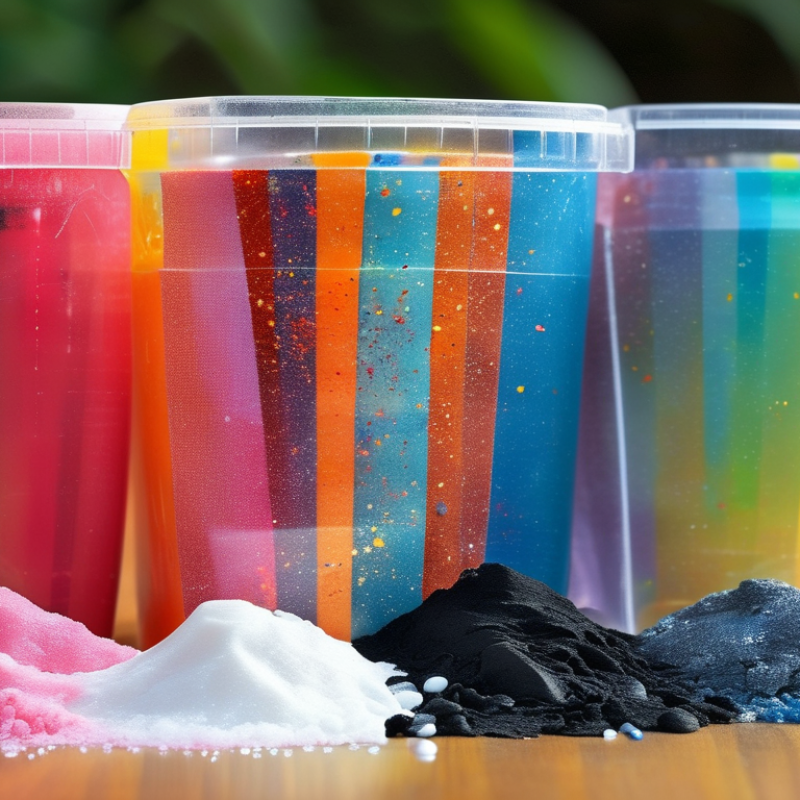
PE Color Masterbatch: Definition, Composition, and Key Functions
PE color masterbatch is a concentrated blend used to color polyethylene products consistently. It usually contains pigments, a PE carrier resin, dispersing agents, and selected performance additives. The carrier helps the color mix evenly during extrusion, molding, or film production. Color strength depends on pigment loading, dispersion quality, processing temperature, and the final let-down ratio.
Common types include white, black, red, yellow, blue, green, orange, violet, fluorescent, and pearlescent masterbatch. Each type serves a different visual or technical purpose. White masterbatch often uses titanium dioxide for opacity and brightness. Black grades can improve light blocking, but excessive loading may affect surface appearance. Fluorescent and pearlescent grades create stronger visual effects. Some formulations also support UV resistance, weatherability, or improved processing. These functions are not automatic. Testing remains necessary.
Tips: Match the masterbatch carrier with the PE grade whenever possible. Check melt flow behavior before full production. A small trial can reveal streaks, weak color, or poor dispersion. Keep pigment concentration and dosing records. Avoid assuming one formula suits every machine. In practice, even a well-designed masterbatch may perform differently after temperature changes or recycled-content adjustments. That uncertainty deserves attention.
Top 10 Types of PE-Based Color Masterbatch
Top 10 Types of PE-Based Color Masterbatch
PE-based color masterbatch comes in several forms, each suited to different processing needs. The top ten types include white, black, standard colored, transparent tint, fluorescent, pearlescent, metallic-effect, UV-resistant, heat-resistant, and food-contact compliant masterbatch. White masterbatch uses strong opacity for films, containers, and molded parts. Black masterbatch often provides deep color and improved light protection. Standard colored masterbatch covers everyday shades for packaging and household products. Transparent tint keeps the original material partly visible. Fluorescent colors create bright visual effects, while pearlescent and metallic-effect grades add depth or shimmer.
UV-resistant masterbatch supports outdoor products exposed to sunlight. Heat-resistant grades are more suitable for demanding processing temperatures. Food-contact compliant types require careful documentation and application checks. Compliance depends on the final product, dosage, and local requirements. It is never wise to assume approval from the color alone.
In production, carrier compatibility matters greatly. A PE carrier usually disperses well in polyethylene resin, but the exact grade still needs testing. Check melt flow, pigment loading, moisture, and recommended let-down ratio.
A small trial can reveal streaks, specks, or uneven gloss before full production. I have seen attractive colors fail because the shade changed after cooling. That detail is easy to miss. The “top” type is not universal. Film extrusion may need high dispersion and low die buildup, while injection molding may prioritize heat stability and cycle consistency. Some choices remain imperfect, especially when color strength conflicts with cost or surface appearance.
How Each PE Color Masterbatch Type Is Made and Used
What Are the Top 10 Types of PE Based Color Masterbatch?
PE color masterbatch is made by dispersing pigments in a polyethylene carrier. Manufacturers usually premix pigments, additives, and resin. A twin-screw extruder then applies heat and shear. The compound is cooled, cut, and screened into pellets.
The ten common types serve different visual and processing needs. Standard color masterbatch uses organic or inorganic pigments for bottles, films, and household containers. White masterbatch often contains titanium dioxide for opacity. Black masterbatch uses carbon black for deep color and light protection. Transparent masterbatch adds subtle shades without hiding the product. Fluorescent masterbatch creates bright packaging and warning colors. Pearlescent masterbatch produces soft, reflective effects. Metallic masterbatch adds silver, gold, or bronze appearances. UV-stable masterbatch combines color with weathering protection for outdoor products. High-temperature masterbatch uses pigments selected for demanding extrusion conditions. Functional color masterbatch may include antistatic or slip additives, but compatibility must be checked carefully.
Tips: Match the carrier resin with the PE grade. Test melt flow, pigment loading, and dispersion before production. A small trial can reveal streaks, die buildup, or weak shade strength. Use the supplier’s recommended let-down ratio, then adjust after comparing molded samples under consistent lighting.
Experience shows that identical pellets can behave differently in film and injection molding. Moisture, screw design, and cooling speed may change the final shade. Color targets also need measurable standards, not only visual judgment. I have found that “close enough” often becomes a costly rework problem. Test more than once.
Storage, Processing, and Quality Standards for PE Color Masterbatch
What Are the Top 10 Types of PE Based Color Masterbatch?
Storage, Processing, and Quality Standards for PE Color Masterbatch
PE color masterbatch is commonly classified for LDPE, LLDPE, HDPE, MDPE, film, injection molding, blow molding, pipe, rotational molding, and recycled PE applications. Each type uses a compatible polyethylene carrier and pigment system. Film grades need excellent dispersion and low filter pressure. Pipe grades require stable color during long production runs. Recycled PE often needs stronger shade tolerance because its base color can vary.
Store bags in a cool, dry room away from sunlight and chemicals. Keep them sealed until production begins. Use clean pallets, and apply a first-in, first-out system. PE absorbs little moisture, but condensation can still create processing problems. During trials, check the recommended let-down ratio, melt temperature, screw speed, and residence time. Excessive shear may damage some pigments. I have seen a correct formula fail after a long stoppage.
Quality checks should include color difference, pigment dispersion, melt flow rate, ash content, carrier compatibility, and thermal stability. CIELAB measurements and an agreed Delta E limit make color decisions less subjective. MFR testing can follow ISO 1133 or an equivalent method. Product specifications should also define packaging, batch traceability, and storage life. Food, toy, or pipe applications need additional testing under applicable local requirements. A glossy plaque may look perfect, yet the finished film can reveal streaks, gels, or uneven shade. That gap deserves investigation.
Conclusion
Pe Based Color Masterbatch is a concentrated coloring material designed to add consistent, attractive color to polyethylene products while improving processing efficiency and reducing material waste. This article explains its basic definition, composition, and key functions, including the roles of pigments, carrier resins, and performance additives. It also introduces ten common types, such as standard color, transparent, opaque, fluorescent, pearlescent, high-temperature, weather-resistant, food-contact suitable, biodegradable-compatible, and special-effect masterbatches. Each type is discussed in terms of its production approach, color performance, and typical applications.
The article further explains how to select the appropriate masterbatch according to product requirements, processing conditions, application environment, and cost targets. It also highlights important considerations for storage, dispersion, dosage, temperature control, and quality evaluation. By understanding these factors, manufacturers can achieve stable color, reliable physical performance, and efficient production across packaging, films, containers, pipes, household products, and other polyethylene applications.