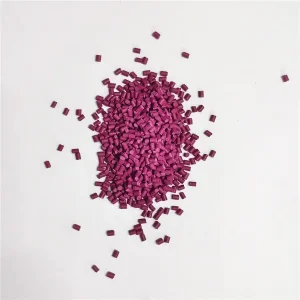
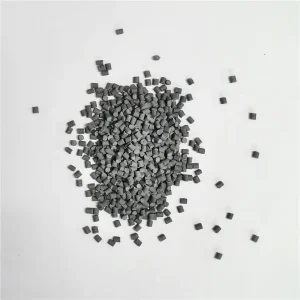
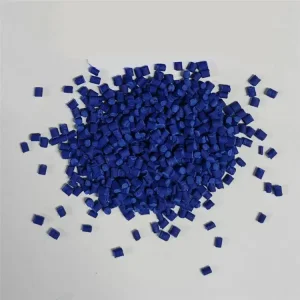
Direct factory supply of high-concentration PE masterbatches engineered for blown film extrusion, injection molding, and continuous pipe manufacturing. Compliant with international color matching standards.
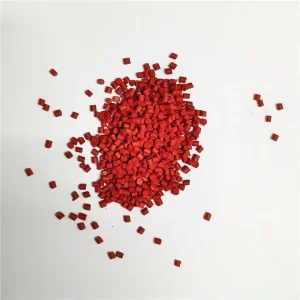
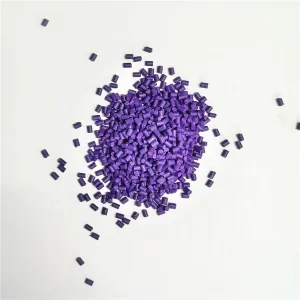
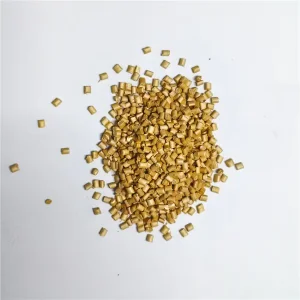
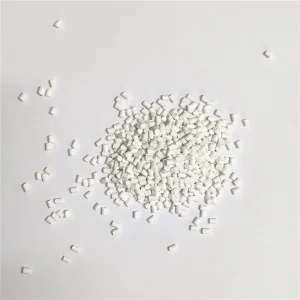
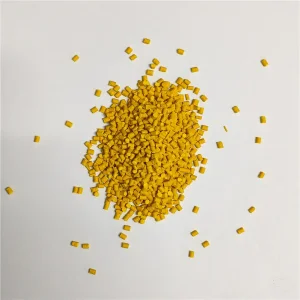
In modern industrial plastic manufacturing, achieving the ideal balance between raw material cost and material performance is a critical challenge for procurement officers and process engineers alike. Polyethylene (PE) masterbatch serves as the primary mechanism for imparting color, opacity, UV stability, and flame retardancy into virgin or recycled resin streams. However, off-the-shelf color masterbatches frequently fail to deliver cost efficiency due to suboptimal pigment loading, carrier resin mismatch, or poor thermal stability.
Sourcing cheap customizable concentration PE masterbatch direct from experienced manufacturing factories allows processors to tailor the pigment concentration (ranging from 20% up to 75% active organic/inorganic loading) directly to their process rheology. This whitepaper analyzes the mechanical, chemical, and economic variables governing high-concentration PE masterbatch production and sourcing.
Matching the Melt Flow Index of the PE carrier matrix (LDPE, LLDPE, or HDPE) to the target processing polymer is vital. A mismatch leads to color streaks, die build-up, or mechanical degradation during blown film or injection molding cycles.
Using advanced co-rotating twin-screw extruders with specialized screw profiles ensures agglomerate-free pigment dispersion. Fine dispersion maximizes tinting strength, letting converters use lower addition rates (1%–3%).
Engineered masterbatch formulations incorporate high-heat-resistant pigments capable of enduring 260°C processing temperatures without color shift, combined with Hindered Amine Light Stabilizers (HALS) for outdoor durability.
The global masterbatch industry is undergoing a paradigm shift driven by circular economy mandates, advanced automation, and eco-friendly pigment technologies. Sourcing partners must continuously innovate to meet evolving environmental regulations and high-performance engineering standards.
Future PE masterbatches are formulated specifically to homogenize Post-Consumer Recycled (PCR) polyolefin streams. Advanced compatibilizers neutralize color variations and restore tensile properties in recycled resins.
Traditional carbon black absorbs NIR radiation, rendering plastic waste invisible to automated sorting lines at recycling facilities. Next-generation PE black masterbatches utilize specialty pigments that permit NIR detection and circular sorting.
Transitioning from fossil-derived PE carriers to bio-based Polyethylene (derived from sugarcane ethanol) significantly lowers carbon footprints while eliminating volatile organic compound (VOC) emissions during high-temperature extrusion.
Integrating nano-scale silica and titanate coupling agents enhances pigment wet-out, preventing pigment agglomeration down to sub-micron scales and dramatically improving thin-film mechanical yield.
Customizable concentration PE masterbatches serve diverse industrial verticals. Tailoring pigment density, carrier viscosity, and functional additive packages ensures seamless integration across varied manufacturing lines.
| Industrial Sector | Processing Method | Key Technical Requirements | Recommended Masterbatch Spec |
|---|---|---|---|
| Agricultural Films | Blown Film Extrusion | High UV opacity, anti-fogging, anti-dripping, chemical pesticide resistance. | PE White / Black Masterbatch (50-60% TiO2/Carbon, added UV-770 stabilizer). |
| Flexible Packaging | Multi-layer Co-extrusion | Ultra-thin film dispersion (<15 microns), pinhole-free opacity, anti-block. | High Concentration PE Yellow, Blue, or White Masterbatch with MFI matched LLDPE. |
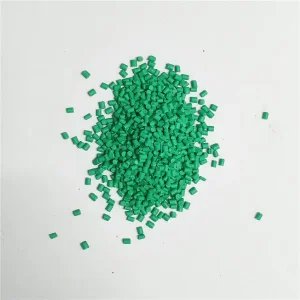
| Consumer Goods | Injection Molding | Vibrant aesthetic tones, zero warping, anti-fading under ambient light, smooth finish. | PE Red, Purple, Rose Red, Green Masterbatch (Heat stability up to 260°C). |
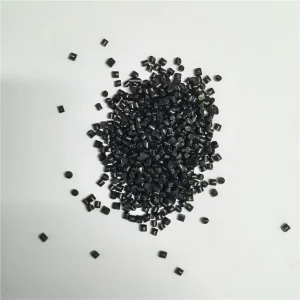
| Industrial Pipe & Geomembranes | Continuous Profile Extrusion | Long-term hydrostatic strength retention, weather resistance, non-migration pigments. | PE Black Masterbatch with P-type P-category Carbon Black (<25nm particle size). |
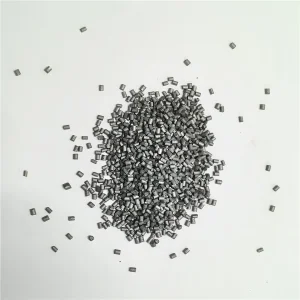
| Luxury & Cosmetic Packaging | Blow Molding / Injection | Metallic luster, gold/silver pearlescent effects, scratch-resistant surface. | Custom High Concentration PE Gold / Silver Masterbatch with non-migratory mica flake technology. |
The phrase "cheap customizable concentration PE masterbatch" does not signify inferior quality; rather, it reflects structural manufacturing efficiencies achieved by Chinese Industry 4.0 production bases. By pairing localized raw material supply chains with smart automated compounding systems, Chinese suppliers offer world-class quality at disruptive price points.
Continuous computer-controlled loss-in-weight gravimetric feeders guarantee raw pigment and additive ratios are maintained within +/- 0.2% tolerance, eliminating human error and batch-to-batch color drift.
Direct proximity to world-scale petrochemical refineries (providing low-cost LDPE/HDPE carrier resins) and domestic pigment synth centers dramatically reduces raw material acquisition costs.
Automated inline optical spectrophotometers measure Delta E values during masterbatch pelletization, automatically adjusting extruder shear speed and temperature profiles in real time.
When enterprise procurement teams evaluate global suppliers for customized PE color masterbatch, calculating the Total Cost of Ownership (TCO) requires analyzing factors far beyond the initial price per metric ton.
Higher concentration masterbatch (e.g., 70% Titanium Dioxide vs. 50% TiO2) allows converters to reduce the masterbatch addition rate from 4% down to 2%. Although the per-kg cost of a high-concentration masterbatch is higher, the net cost per finished plastic part drops significantly due to lower shipping weight and reduced volumetric usage.
Substandard, cheap masterbatch containing un-dispersed pigment aggregates clogs melt filters and damages blown film dies. Sourcing masterbatch produced on high-shear twin-screw extruders minimizes machine downtime, screen-pack replacement frequency, and scrap rates.
Exporting customized PE color masterbatches across global markets demands strict adherence to chemical safety standards and international trade frameworks. Enterprise suppliers must provide full regulatory documentation alongside local technical support.
Formulations intended for food packaging (beverage caps, film wrap, containers) utilize heavy-metal-free organic pigments and compliant PE carriers certified under FDA 21 CFR 177.1520 regulations.
Every custom batch is certified free of Substances of Very High Concern (SVHC), lead, cadmium, mercury, and polybrominated biphenyls, facilitating frictionless import clearance into the European Economic Area.
Technical experts assist international buyers with on-site trial runs, offering MFI adjustment, color matching adjustments, and extrusion temperature optimization to ensure immediate trial success.
Browse our complete custom color catalog. All formulations are manufactured under strict ISO quality controls, ensuring high tinting strength, weather resistance, and thermal stability for demanding processing environments.