Explore our high-concentration, thermal-stable carrier solutions optimized for high-speed processing machinery.
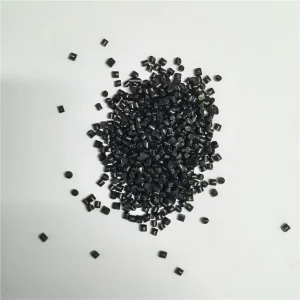
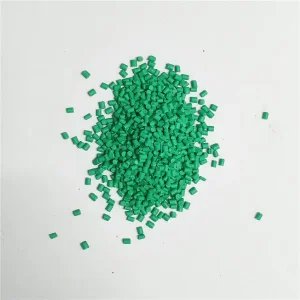
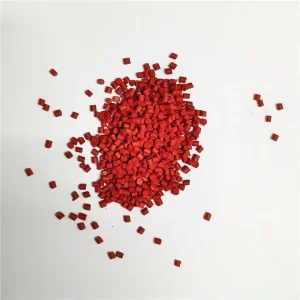
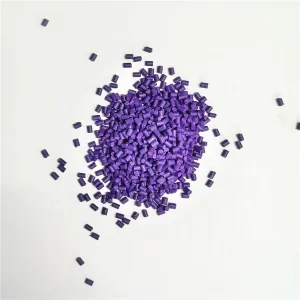
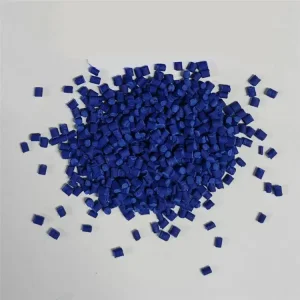
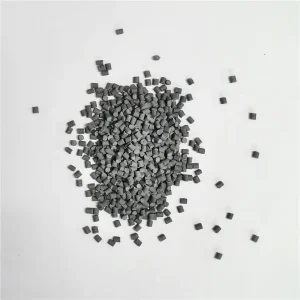
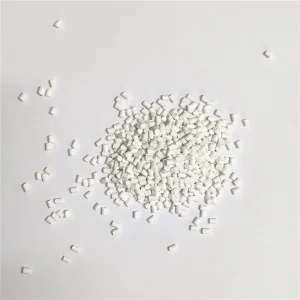
Analyzing thermal stability dynamics, pigment chemistry selection, and the commercial rationale for low-cost, high-performance polyolefin colorants.
In modern industrial plastics compounding, red chromophores present unique thermal and chemical challenges. As thermoplastic conversion speeds increase across global manufacturing centers—driven by high-output twin-screw extruders and fast-cycle injection molding units—the thermal stress placed on color masterbatches has intensified dramatically. Processing temperatures for high-density polyethylene (HDPE), linear low-density polyethylene (LLDPE), and polypropylene (PP) matrix polymers routinely range between 220°C and 300°C.
Traditional organic red pigments (such as azo-based compounds) frequently undergo thermal degradation, color shifting, sublimating, or plate-out when exposed to these extreme temperatures. This yields unacceptable batch-to-batch color variance, reduced mechanical tensile strength, and costly machine downtime. To counter this, global polymer converters require specialized high temperature resistant red PE masterbatches engineered with thermally stabilized organic pigments (e.g., Diketopyrrolopyrrole / DPP Red, Anthracene, and Perinone chemistry) or inorganic hybrid complexes.
Molecular stabilization, carrier resin selection, and dispersion chemistry in high-concentration PE red masterbatch manufacturing.
We utilize high-grade Pigment Red 254 (DPP Red) and Pigment Red 177 (Anthraquinone) coupled with specialized heat stabilizers. This prevents thermal cleavage of chromophore bonds during high-shear extrusion up to 300°C.
Our formulation leverages virgin PE carrier resins with precisely matched Melt Flow Index (MFI) values (typically 20–40 g/10min). This ensures rapid melt-mixing and zero agglomeration in host polymers like LDPE, LLDPE, and HDPE.
By controlling pigment crystal nucleation, our red masterbatch minimizes isotropic shrinkage in injection molded components, preventing warpage and eliminating dye migration/bleeding into food or chemical contacts.
| Performance Metric | Standard Grade Red Masterbatch | Jiazhou High-Temp Red PE Masterbatch | Industrial Test Standard |
|---|---|---|---|
| Heat Resistance (°C) | 180°C - 220°C | 260°C - 300°C (Dwell time 5 min) | DIN EN 12877-2 |
| Pigment Concentration | 20% - 30% | 40% - 55% High Loading | ISO 787-2 |
| Light Fastness (Blue Wool) | Grade 4 - 5 | Grade 7 - 8 (Maximum Stability) | ISO 105-B02 |
| Migration Resistance | Level 3 (Slight Bleeding) | Level 5 (Zero Bleeding / Non-Migration) | DIN 54002 |
| Melt Flow Index (MFI) | Uncontrolled | 15 - 35 g/10min (2190g @ 190°C) | ASTM D1238 |
How specialized red masterbatch formulations drive efficiency in agricultural film, packaging, pipe extrusion, and automotive parts.
In high-intensity solar environments, red multi-layer blown films require intense UV stabilization and thermal fastness. Our PE Red Masterbatch ensures vivid photoselective light spectra filtering for crops without degradation caused by heat accumulation on film extrusion dies.
Industrial co-extruded HDPE and PEX piping systems use red identification layers. Standard masterbatches break down under the high processing heat of thick-wall pipe dies. Jiazhou's high-temp formulation maintains full opacity and dielectric strength without micro-void generation.
For engine components, warning indicators, and battery covers molded from PE/PP blends, heat resistance is paramount both during injection molding (up to 280°C melt temperature) and throughout operational lifetime heat cycles.
Large-capacity blow molded containers (IBC totes, chemical drums) demand uniform pigment dispersion to maintain structural wall integrity while surviving harsh hot-fill production environments.
Delivering high-value colorant solutions without quality compromise via Changzhou’s industrial plastic cluster.
Purchasing managers and procurement directors often confront a trade-off: paying premium prices for European or American specialty masterbatch brands or risking batch instability with unverified low-cost suppliers. Changzhou Jiazhou Plastic Products Co., Ltd. resolves this dilemma by pairing localized Chinese raw material cluster efficiencies with European-grade quality control protocols.
Located in Changzhou, Jiangsu, Jiazhou sources high-purity pigments and carrier polymers directly from mega-scale chemical complexes, removing middleman markups and guaranteeing raw material consistency.
Our 6,000 m² factory houses multiple high-torque twin-screw extruders operating under computerized gravimetric feeding systems. This yields high throughput and low specific energy consumption per ton.
Every production batch undergoes X-Rite spectrophotometric color matching (Delta E < 0.5), melt flow index testing, and thermal oven aging tests before export clearance.
Meeting international health, safety, and environmental standards across North America, Europe, and Asia-Pacific.
Formulated free of heavy metals (lead, cadmium, hexavalent chromium) and restricted phthalates. Fully compliant with EU Directive 2015/863 and REACH Regulation (EC) No 1907/2006.
Specific high-temperature red masterbatch formulations are engineered using FDA 21 CFR 178.3297 compliant pigments for safe use in food-contact packaging and beverage containers.
Our color laboratory provides rapid Pantone, RAL, or physical target sample matching within 3 to 5 business days, complete with test plaques and processing parameters.
Expert answers to critical engineering and sourcing questions about heat-resistant PE red masterbatch.
Standard red masterbatches often use organic azo pigments with low thermal breakdown thresholds (below 200°C). When exposed to high melt temperatures in injection molding or high-speed extrusion, the chemical bonds inside the chromophore rupture, causing severe color shifts (discoloration to brown or orange) and gas generation (screw slipping). Jiazhou solves this by utilizing polycyclic organic complexes (e.g., DPP Red 254) combined with secondary phosphite antioxidants that maintain chemical integrity up to 300°C.
The carrier polymer must match or possess a slightly higher Melt Flow Index (MFI) than the host resin (LDPE, LLDPE, HDPE, or PP). If the carrier melt temperature is mismatched, pigment agglomerates will form, causing filter mesh clogging, film pinholes, or surface streaks. Jiazhou uses narrow-molecular-weight virgin PE carriers designed for instant dispersion and zero mechanical property degradation of the final article.
Due to our high pigment concentration (up to 50%), our standard recommended addition rate ranges from 1% to 4% depending on product wall thickness and desired opacity. For thin blown films (under 25 microns), 2% to 3% is ideal; for heavy-duty injection molding, 1% to 2% delivers full color saturation while reducing per-ton raw material expenditure.
Yes. Polyethylene carrier masterbatches are generally compatible with PP matrices, provided the melt temperature is within 200°C–260°C. For extreme high-heat PP applications requiring higher rigidity, we also offer custom PP-carrier high temperature red masterbatches upon request.
Direct manufacturer sourcing eliminates distributor markups (saving 15–30%), allows access to customizable pigment formulations, ensures container-load ocean freight savings, and provides direct technical support from factory compounding engineers for fast troubleshooting.
Select from our comprehensive range of high-concentration color masterbatch solutions.