Explore our export-certified polymer color concentrates engineered for extrusion, blown film, and high-pressure injection molding applications.
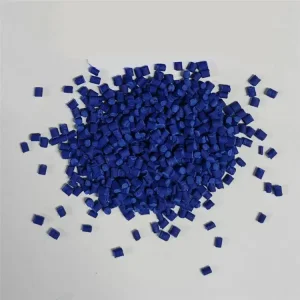
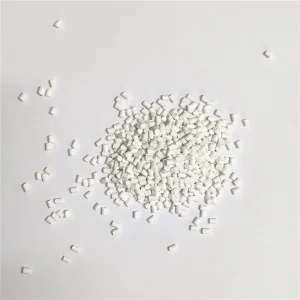
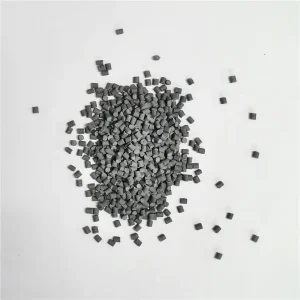
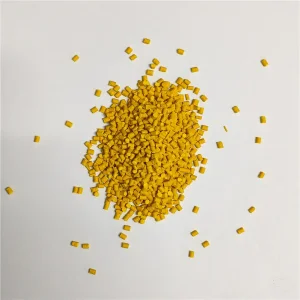
A rigorous examination of carrier resin rheology, organic pigment dispersion mechanics, and thermal degradation prevention in modern thermoplastic processing.
In the global thermoplastic conversion sector, the specification of cheap light yellow PE masterbatch factories & factory sourcing channels requires a nuanced understanding of compounding chemistry rather than a mere comparison of per-kilogram price points. Light yellow color concentrates present unique polymer physics challenges. Achieving a pastel or soft yellow hue demands exceptional pigment loading accuracy, precise dispersion control, and strict thermo-oxidative protection during processing cycles.
Light yellow formulations typically combine high-opacity inorganic titanium dioxide (TiO2 rutile grade) with high-tinting organic yellow pigments such as Isoindoline Yellow (Pigment Yellow 139), Diarylide Yellow (Pigment Yellow 12/13), or Benzimidazolone Yellow (Pigment Yellow 150/180). When sourcing from budget-conscious Chinese manufacturing plants, verifying the chemical stability of the pigment package under processing temperatures reaching 220°C–260°C is critical.
Organic yellow pigments are inherently susceptible to thermal migration and photo-degradation under ultraviolet (UV) exposure. To mitigate color shifts, leading OEM factories integrate secondary hindered amine light stabilizers (HALS) and phenolic antioxidants directly into the color concentrate matrix. This chemical synergy prevents polymer chain scission in the host LLDPE/LDPE matrix while ensuring long-term color fidelity in outdoor and agricultural film applications.
The selection of carrier resin forms the structural foundation of masterbatch dispersion performance. A common point of failure in low-cost yellow masterbatches is the use of recycled or unmatched melt flow index (MFI) PE carriers. For seamless blending during blown film extrusion or injection molding, the carrier resin must exhibit a slightly higher MFI (typically 15 to 30 g/10min at 190°C/2.16kg) than the base resin.
At Changzhou Jiazhou Plastic Products Co., Ltd., virgin Linear Low-Density Polyethylene (LLDPE) serves as the standard carrier. This choice guarantees optimal shear-induced de-agglomeration of pigment particles within twin-screw extruders, producing a maximum Filter Pressure Value (FPV) below 1.5 bar/g. Consequently, processor downtime due to screen pack clogging is eliminated, directly enhancing converting line efficiency.
Evaluating macro-economic factors, regional procurement strategies, and industry vertical adoption across North America, Europe, and Emerging Asian Markets.
The global demand for yellow PE color masterbatches continues to expand across diverse industrial sectors, driven by consumer packaging aesthetics, agricultural modernization, and infrastructure development. The term "cheap light yellow PE masterbatch factory" has evolved from meaning low-grade commodity supply to representing high-value, cost-optimized manufacturing hubs capable of meeting international regulatory mandates (RoHS, REACH, FDA food-contact compliance).
Driven by vibrant retail shelf branding, fast-moving consumer goods manufacturers demand non-migratory light yellow masterbatches for pouch films, squeeze bottles, and cap closures. Odorless formulations with zero heavy metal contamination are essential for food-grade flexible packaging applications.
In Mediterranean, Middle Eastern, and South Asian farming regions, light yellow and dual-color mulch films regulate soil temperature while repelling agricultural pests. These specialized agricultural films demand masterbatches loaded with high UV stabilizers to withstand 12 to 36 months of continuous solar irradiance.
Telecommunication ducts, gas piping identification strips, and industrial profile extrusions rely on light yellow color coding for safety compliance. Masterbatches engineered for this sector must maintain mechanical tensile strength and chemical resistance over 50-year product lifespans.
| Regional Market | Primary Industrial Application | Key Buyer Sourcing Criteria | Typical Order Volume (MT/Year) |
|---|---|---|---|
| North America & Europe | Food Packaging, Medical Plastics, Cosmetics | FDA/REACH Compliance, Delta E < 0.5 Color Tolerance | 500 – 2,500 MT |
| Southeast Asia & LATAM | Agricultural Mulch Film, Consumer Goods | Unit Price / Cost-to-Use Ratio, UV Weatherability | 1,000 – 5,000 MT |
| Middle East & Africa | Industrial Drums, HDPE Pipe Identification | High Thermal Resistance (260°C+), Anti-Migration | 300 – 1,500 MT |
Deconstructing the chemical supply chain density, automated compounding technology, and scale economics that deliver cost competitiveness without technical compromises.
Global procurement directors searching for cheap light yellow PE masterbatch factories & factory partners often question how Chinese manufacturers achieve price points up to 25%–40% lower than European or North American compounders. The answer lies not in quality reduction, but in localized industrial clustering, high-throughput twin-screw compounding automation, and raw material integration.
Located in Jiangsu Province, Changzhou Jiazhou Plastic Products Co., Ltd. operates in immediate proximity to China's primary petrochemical refineries and inorganic pigment synthesis hubs. Direct pipeline and bulk container access to virgin LLDPE/LDPE resins eliminates secondary freight markups, reducing raw material procurement costs by 8–12%.
Jiazhou's 6,000 m² facility features high-torque co-rotating twin-screw extruders with Length-to-Diameter (L/D) ratios of 44:1. This extended processing zone provides precise temperature profiling across 10 heating zones, ensuring thorough de-agglomeration of titanium dioxide and yellow organic pigments at minimal specific mechanical energy (SME) input.
To guarantee batch-to-batch color repeatability, Jiazhou utilizes online computer color-matching (CCM) systems and X-Rite spectrophotometers. Every production run undergoes spectro-photometric testing against master samples, establishing strict CIE L*a*b* color space thresholds (Delta E ≤ 0.5) prior to packaging and dispatch.
In-depth technical parameters for processing light yellow PE masterbatch across film blowing, blow molding, and profile extrusion lines.
Formulating an optimal light yellow masterbatch requires adjusting dosage rates (let-down ratios) and carrier formulation based on the target plastic processing method. Below is a comprehensive breakdown of operational guidelines established by Jiazhou’s senior compounding engineers.
In high-speed LDPE/LLDPE film blowing lines running at speeds exceeding 150 m/min, masterbatch dispersion failure manifests as film breaks, surface gel spots, or visual streaks. A high-quality light yellow masterbatch must exhibit flawless filterability.
Injection molding of heavy-wall PE crates, closures, and domestic products requires high heat resistance to withstand cycle temperatures of 230°C to 260°C without shade shift or thermal gas evolution.
In co-extruded yellow signaling stripes on black HDPE water and gas pipes, color fastness under outdoor storage conditions is paramount.
Exploring bio-based carriers, post-consumer recycled (PCR) resin integration, and AI-driven color matching technologies.
As global plastic regulations shift toward circular economies and reduced carbon footprints, the masterbatch compounding industry is undergoing a structural transition. Sourcing from a forward-looking factory ensures long-term compliance with evolving international sustainability directives.
Modern light yellow formulations are increasingly engineered to colorize up to 100% Post-Consumer Recycled (PCR) PE resins. Specialized masking pigments neutralize the inherent yellowish-grey tint of recycled feedstocks, restoring clean pastel shades.
Utilizing sugarcane-derived bio-polyethylene as the carrier polymer allows brand owners to offer 100% renewably sourced packaging without sacrificing mechanical performance or color brilliance.
Integrating artificial intelligence into color matching algorithms enables masterbatch laboratories to predict pigment interaction metamers instantly, cutting custom sample turnaround times from 7 days to under 24 hours.
A structured evaluation framework for global procurement professionals to minimize supply chain risk and ensure total cost of ownership (TCO) optimization.
When evaluating suppliers under keywords like "Cheap Light Yellow Pe Masterbatch Factories & Factory", low initial purchase price can be offset by high scrap rates if quality control is inadequate. Global procurement managers should audit prospective suppliers against four core operational criteria:
| Audit Category | Evaluation Parameter | Industry Standard Target | Risk of Non-Compliance |
|---|---|---|---|
| Quality System | ISO 9001:2015 Certification & Batch Traceability | 100% Lot-to-Lot Retain Sample Archive (2 Years) | Inability to resolve color shift disputes across shipments |
| Dispersion Control | Pressure Filter Value (EN 13900-5) | FPV < 1.5 bar/gram (Mesh size 14 μm) | Frequent blown film bubble collapse and screen pack blinding |
| Chemical Safety | Heavy Metal & SVHC Screening (RoHS / REACH) | Non-detectable Pb, Cd, Hg, Cr(VI), PBBs, PBDEs | Customs impoundment and heavy regulatory fines in export markets |
| Thermal Stability | Dwell-Time Heat Resistance Test | No color change (ΔE < 1.0) after 5 min @ 240°C | Discoloration and silver streaking during injection molding cycles |
Direct technical answers from our senior masterbatch formulation experts.
Cost optimization is achieved through raw material scale purchasing, proximity to petrochemical suppliers, and high-throughput compounding automation rather than reducing active pigment content. At Changzhou Jiazhou, direct carrier resin sourcing and energy-efficient twin-screw lines lower unit production costs while retaining high dispersion standards.
Plate-out (pigment buildup on chill rolls or die lips) occurs when low-molecular-weight waxes or low-grade organic pigments migrate out of the polymer matrix. Specifying non-migratory organic pigments (such as Pigment Yellow 180 or 150) paired with a high-purity LLDPE carrier completely eliminates migration issues.
For standard film blowing and sheet extrusion, an addition rate of 1% to 3% is typically recommended. For thin-walled injection molding or high-opacity applications, the let-down ratio can be adjusted between 2% and 4% based on product wall thickness and target color intensity.
Yes. Formulations designated for packaging applications are manufactured using raw materials that comply with FDA 21 CFR 177.1520, EU No 10/2011 food contact regulations, RoHS 3.0, and REACH SVHC guidelines. Heavy metals such as lead, cadmium, and hexavalent chromium are strictly absent.
Absolutely. Our color laboratory utilizes advanced spectrophotometers to match target plastic samples, RAL, or Pantone codes (e.g., Pantone 1205C, 106C, RAL 1018). Lab samples are typically formulated and dispatched within 3 to 5 business days.
When stored in original sealed moisture-proof packaging in a cool, dry warehouse away from direct sunlight, PE masterbatch maintains optimal processing performance for up to 24 months from the date of manufacture.
From high-opacity white and jet black to custom metallic and primary color masterbatches, discover Jiazhou's export-proven solutions.