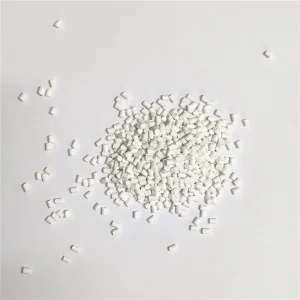
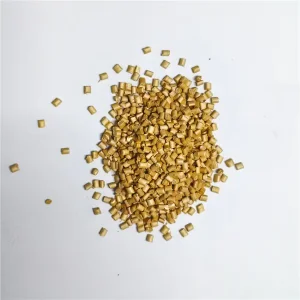
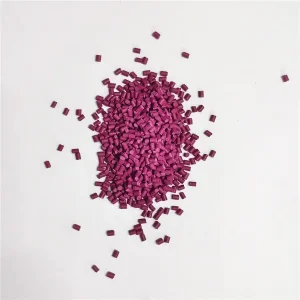
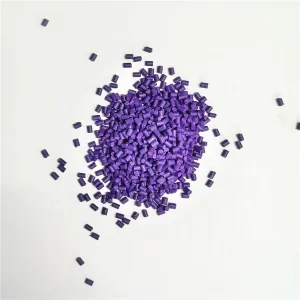
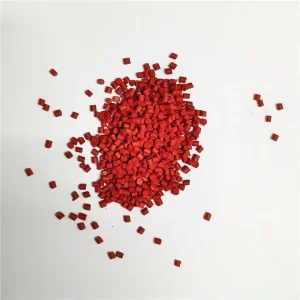
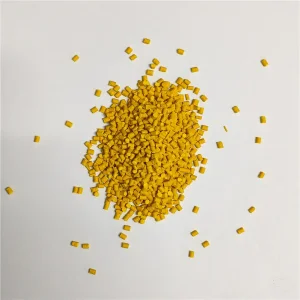
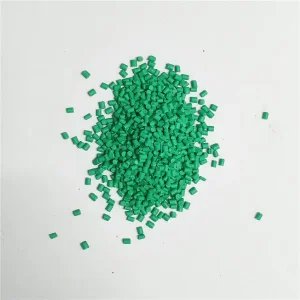
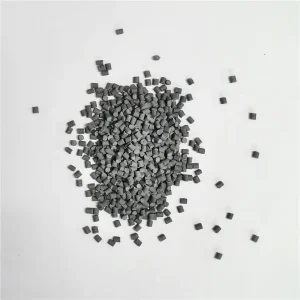
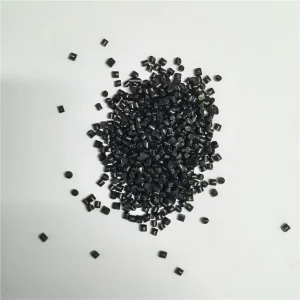
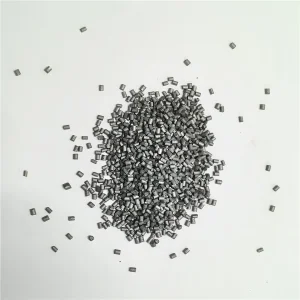
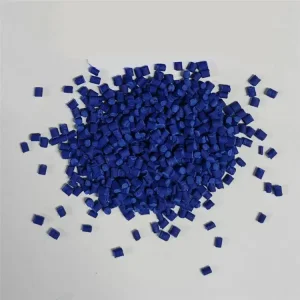
Explore our industry-certified color and functional masterbatch series, specially compounded with high dispersion indices and heat resistance up to 260°C for heavy-duty turnover boxes and industrial injection molding.
In modern automated supply chains, returnable plastic crates, heavy-duty totes, and logistics turnover boxes serve as the foundational backbone of material handling. Manufactured primarily through high-density polyethylene (HDPE) or polypropylene (PP) structural foam and solid injection molding, these industrial containers undergo severe physical stress. Automated Storage and Retrieval Systems (ASRS), high-speed roller conveyors, cross-docking hubs, and intermodal transport subject turnover boxes to relentless frictional drag, surface abrasion, dynamic shear wear, and micro-cracking.
Unmodified HDPE boxes exhibit a relatively high coefficient of dynamic friction (typically COF > 0.40–0.50 against steel or raw aluminum), causing high mechanical resistance on conveyor lines, increased motor strain in automated sorting systems, and accelerated cosmetic and structural degradation. Sourcing high-grade, cheap friction resistant PE masterbatch from specialized global suppliers allows injection molders to integrate microscopic surface-lubricating agents directly into the polymer matrix during processing. This drastically reduces the dynamic COF to below 0.18, prevents surface marring, eliminates squeaking noise during automated conveyancing, and extends the operational lifespan of turnover containers by over 300%.
"The industrial migration toward high-speed, fully automated fulfillment networks demands enhanced tribological control in logistics packaging. Utilizing additive masterbatches tailored for anti-friction and wear-resistance is no longer a luxury—it is an economic baseline for reducing total cost of ownership (TCO) in returnable packaging fleets."
Achieving optimal slip and wear reduction without compromising mechanical stiffness, paintability, or hot-stamping performance requires sophisticated additive synergy. Modern friction-resistant masterbatches combine primary migratory slip agents, non-migratory siloxane polymers, and ultra-high-molecular-weight (UHMWPE) micro-spheres into a specialized low-density polyethylene (LDPE) or linear low-density polyethylene (LLDPE) carrier resin.
Formulated with high-purity primary fatty acid amides (such as Erucamide and Oleamide), these molecules slowly bloom to the surface post-injection molding. They form a mono-molecular lubricating layer that lowers initial surface tackiness and immediate kinetic friction against conveyor belting and steel guides.
Unlike short-chain amides, ultra-high-molecular-weight siloxane polymers anchor inside the bulk HDPE phase while forming an ultra-thin silicone inter-penetrating network (IPN) at the surface. This delivers long-term anti-scratch and anti-wear protection that does not rub off, wash away, or cause post-printing adhesion issues.
During heavy injection molding cycles, localized high shear rates generate internal molded-in stress around crate corners and structural ribs. Friction-resistant additives lower melt viscosity slightly during processing, optimizing cavity filling, reducing warpage, and improving Environmental Stress Crack Resistance (ESCR).
The operational demands on turnover boxes vary substantially across regional markets and industrial sub-sectors. Formulating PE masterbatch with targeted additive load ratios (ranging from 1.5% to 4.0% depending on the end-use environment) ensures optimal economic efficiency and performance matching.
In automated distribution hubs (common across North America and Western Europe), thousands of plastic totes travel across plastic roller tracks and steel transfer plates daily. High friction causes static buildup, roller scuffing, and position jams. Utilizing siloxane-enhanced friction resistant PE masterbatch eliminates tote squeal, ensures smooth high-speed positioning, and reduces conveyor drive motor power consumption.
Heavy powertrain components and metallic hardware are transported in reinforced stackable turnover crates. High point-load pressures cause inter-crate surface galling and abrasive micro-fractures. Integration of friction-resistant PE masterbatch maintains low dynamic friction even under 500+ kg static stack loading, preserving stacking rim integrity.
Cold-chain produce crates subjected to sub-zero refrigeration temperatures (−25°C to 4°C) often suffer from polymer embrittlement. Standard amides lose slip efficiency at low temperatures due to crystallization changes. Advanced multi-component PE masterbatches maintain flexibility and tribological protection without migrating into food-contact boundaries, meeting FDA and EU 10/2011 compliance.
For large-scale masterbatch procurement officers and plastic compounding enterprises, securing high-performance masterbatch at competitive pricing is essential for protecting profit margins. The global masterbatch supply chain relies heavily on raw material cost structures, carrier resin compatibility, and additive concentration efficiencies.
A major defect in cheap masterbatches is poor carrier matching. Sourcing masterbatch manufactured with high-flow PE carriers (MFI between 20 to 30 g/10min) ensures ultra-fast, homogenous distribution into virgin or recycled HDPE base resins (typically MFI 0.5 to 8.0 g/10min) during short injection molding cycle times.
As global sustainability mandates push manufacturers toward incorporating 30% to 100% Post-Consumer Recycled (PCR) HDPE into turnover crates, friction control becomes challenging. PCR resin contains impurities and variable molecular weights. Friction-resistant masterbatches double as process aids, smoothing resin melt flow and stabilizing COF variations in recycled feeds.
By utilizing concentrated masterbatch formulations (let-down ratios of 1.5% - 2.5%), injection molders achieve a lower cost-per-kilogram of finished product than using pre-compounded resins. This lean formulation approach lowers shipping weight, minimizes inventory footprint, and reduces operational unit cost per turnover crate by up to 18%.
The evolution of functional polymer additives is being accelerated by AI-assisted molecular design, eco-regulation compliance, and smart manufacturing. Below is the multi-year technology trajectory for friction-resistant and wear-reducing masterbatches in industrial packaging.
Integration of non-migratory organic slip additives with inherently conductive polymer (ICP) networks, preventing both tribological wear and static charge accumulation that attracts dust inside cleanrooms and electronic assembly plants.
Replacement of traditional fluoroelastomer processing aids (PPA) with 100% bio-based sugarcane PE carriers and non-PFAS micro-particle slip technologies, guaranteeing full international regulatory compliance without sacrificing friction reduction performance.
Incorporation of micro-encapsulated liquid lubricant cores that rupture upon extreme localized mechanical abrasion, self-repairing surface scratches on turnover box bases automatically during high-stress industrial operations.
Comprehensive answers to critical engineering, formulation, and supply chain queries regarding cheap friction resistant PE masterbatch.
For standard HDPE or PP injection-molded turnover boxes, the recommended Let-Down Ratio (LDR) typically ranges from 1.5% to 3.0% by weight. For extreme heavy-duty containers subjected to continuous ASRS steel conveyor friction, an LDR of 3.5% to 4.0% may be utilized to achieve a stable dynamic Coefficient of Friction (COF) below 0.18.
Traditional amide-based migratory slip agents can cause surface bloom that reduces ink adhesion over time. However, modern friction-resistant masterbatches formulated with non-migratory UHMW-siloxane technology anchor permanently within the polymer matrix. This allows excellent barcode printing, screen printing, and hot-stamping logo adhesion without surface wipe-downs.
Standard slip masterbatches often fail at sub-zero temperatures because low-molecular-weight amides crystallize and lose surface mobility. Advanced PE friction-resistant masterbatches incorporate temperature-stable polysiloxane polymers that maintain low friction coefficients and high impact resistance down to −30°C, making them ideal for cold-storage agricultural crates.
Yes. In fact, adding friction-resistant PE masterbatch is highly beneficial for recycled HDPE feeds. Post-consumer recycled resins often exhibit inconsistent viscosity and surface roughness. The masterbatch acts as an internal lubricant and processing aid, improving mold flow, reducing melt pressure, and restoring uniform friction properties to recycled crates.
Key international standards include ASTM D1894 for measuring static and kinetic Coefficient of Friction (COF), ASTM D4060 (Taber Abrasion test) for surface wear resistance evaluation, and ISO 8295 for plastic film/sheeting friction characteristics.
Choose from our wide inventory of high-concentration color and additive masterbatches designed for blown film, injection molding, and heavy-duty extrusion applications worldwide.