Engineered with micro-dispersion technology for high-stress polyethylene blown film extrusion and industrial polymer modification.
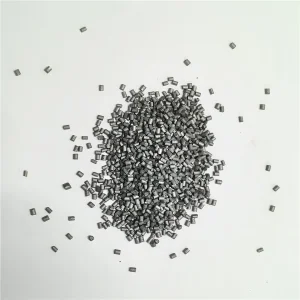
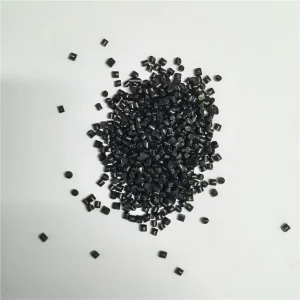
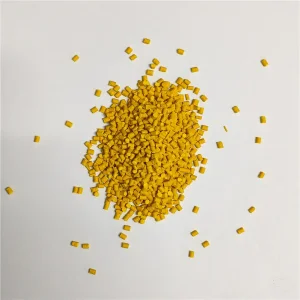
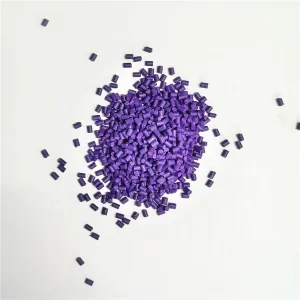
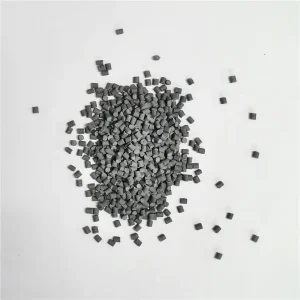
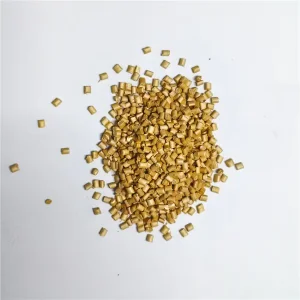
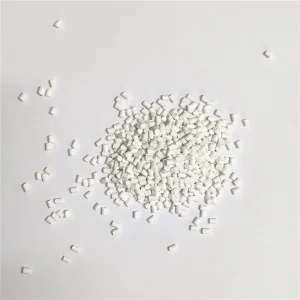
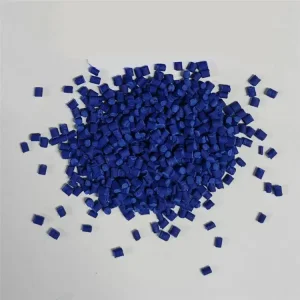
In the globalized plastic packaging supply chain, the mechanical failure of polyethylene (PE) blown films under extreme environmental conditions presents a severe financial risk for processors and end-users alike. Traditional low-density polyethylene (LDPE) and linear low-density polyethylene (LLDPE) blown films suffer a dramatic drop in impact strength, flexural endurance, and dart-drop resistance when subjected to sub-zero temperatures (ranging from -20°C down to -40°C). This vulnerability leads to film embrittlement, stress cracking, package puncture during transportation, and premature degradation in cold-chain logistics, deep-freeze food storage, and sub-arctic agricultural applications.
Sourcing cost-effective yet high-performance additive solutions has historically been a zero-sum game: lower price points frequently compromised dispersion quality and mechanical integrity. However, recent compounding breakthroughs by specialized Chinese masterbatch manufacturers have revolutionized this landscape. By engineering low-cost, low-temperature blown film cold-resistant PE masterbatches with targeted elastomeric phase-domain toughening, high-dispersion micro-carrier systems, and precise glass transition ($T_g$) modifiers, manufacturers can now deliver exceptional impact modification without incurring exorbitant formulation expenses.
This comprehensive industry whitepaper evaluates the rheological mechanics, micro-structural modification pathways, industrial application matrices, and procurement strategies for low-temperature cold-resistant PE masterbatch. Designed for polymer engineers, procurement directors, and blown film converters, this document details how strategic masterbatch integration drives down Total Cost of Ownership (TCO) while upholding rigorous international quality benchmarks.
The fundamental cause of low-temperature failure in semi-crystalline polyolefins lies in the restriction of molecular chain mobility below the glass transition temperature ($T_g$). When an un-modified PE film experiences sudden mechanical stress at freezing temperatures, energy dissipation via plastic deformation is severely hindered. Instead of yielding, the polymer matrix undergoes brittle fracture along internal void boundaries or pigment agglomerates.
Our specialized Low Temperature Cold Resistant PE Masterbatch resolves this through a multi-phase elastomer dispersion strategy:
Utilizes polyolefin elastomers (POE) synthesised via metallocene catalysis. These ultra-fine elastomer domains embed within the LLDPE/LDPE matrix, acting as micro-stress concentrators that absorb impact energy and arrest crack propagation at sub-zero thresholds.
Controls crystallite size during film bubble cooling. By refining large, brittle spherulites into dense, sub-micron crystalline domains, the film maintains structural flexibility, clarity, and resistance to pin-hole formation.
Formulated with high melt-flow index (MFI) virgin PE carriers and high-shear twin-screw processing, ensuring zero agglomeration, consistent bubble stability, and uniform gauge control across fast extrusion lines.
| Performance Metric | Standard PE Film (Un-modified) | PE Film + 4% Cold Resistant Masterbatch | Testing Standard |
|---|---|---|---|
| Brittleness Temperature ($T_b$) | -12°C to -15°C | -38°C to -45°C | ASTM D1790 / ISO 974 |
| Dart Impact Strength | 120 g | 420 g | ASTM D1709 (Method A) |
| Elongation at Break (MD/TD) | 350% / 450% | 580% / 690% | ISO 527-3 |
| Puncture Resistance (N) | 18.5 N | 44.2 N | ASTM F1306 |
As global supply chains expand into harsh climate zones—such as Eastern Europe, Northern North America, Central Asia, and Nordic regions—the commercial demand for functional blown film additives has surged. However, inflation in virgin polymer resins and chemical additives has forced plastic manufacturing enterprises to reassess their purchasing frameworks.
Sourcing directly from optimized manufacturing hubs in China provides a major strategic advantage. By leveraging integrated raw material supply chains, advanced continuous twin-screw compounding infrastructure, and lower operational overheads, factories like Changzhou Jiazhou Plastic Products Co., Ltd. offer factory-direct pricing without performance compromise.
Inexpensive masterbatches often rely on heavy calcium carbonate ($\text{CaCO}_3$) loading or recycled carriers that ruin film clarity and accelerate thermal degradation. Advanced low-temperature formulations utilize high-purity micro-additives at low addition rates (2% to 5%), yielding a significantly lower cost-per-ton of finished film.
Modern processing machinery varies in screw L/D ratio, residence time, and die gap configurations. OEM manufacturers formulate tailored carrier resin melt flows (matching LLDPE, HDPE, PP, or EVA substrates) to prevent die buildup, melt fracture, or phase separation.
With 16+ years of manufacturing expertise, 6,000 m² of specialized production floor space, and continuous batch monitoring, premier manufacturers guarantee international lot-to-lot consistency and fast export logistics turnaround times within 15 days.
Low-temperature cold-resistant PE masterbatch is indispensable across several high-consequence plastic converting sectors. Below are localized performance requirements across distinct global market segments:
Targeted for IQF (Individually Quick-Frozen) poultry, seafood, and vegetable bags operating in -30°C blast freezers. Prevents film puncture from sharp product edges during automated high-speed vertical form-fill-seal (VFFS) packing.
Utilized in northern agricultural zones (e.g., Canada, Heilongjiang, Scandinavia). Prevents film tearing under heavy snow load, frost movement, and intense UV exposure, extending multi-season soil warmth retention.
Formulated for ocean container bulk liners and winter hazardous chemical sacks. Eliminates flex-cracking caused by constant vibration and sub-zero mechanical shocks during intermodal freight transport.
Used in non-toxic, REACH/FDA compliant protective film layers for dry-ice and liquid nitrogen transport bags requiring structural integrity down to ultra-low temperatures.
To maintain strict compliance across international border regulations, technical masterbatch manufacturing must adhere to standardized chemical safety and mechanical verification protocols. Every batch produced by professional suppliers undergoes rigorous multi-stage laboratory testing.
All formulations are engineered to meet global environmental and safety standards, including EU RoHS 2.0 (Directive 2011/65/EU), REACH SVHC, and FDA 21 CFR 177.1520 for direct food contact applications. heavy-metal-free and non-toxic pigment selections ensure eco-friendly disposal and recycling compatibility.
Equipped with high-precision computer color-matching spectrophotometers, capillary rheometers, and automatic moisture analyzers. Every shipment is issued a certified Certificate of Analysis (COA) linked to raw material lot numbers for 100% supply chain transparency.
The next decade of polyolefin film innovation focuses on circular economy integration and advanced nanostructured modification:
Developing low-temperature modifiers specifically designed to restore the degraded impact properties of Post-Consumer Recycled (PCR) polyethylenes, enabling up to 70% PCR inclusion in heavy-duty shipping sacks without embrittlement.
Integrating surface-functionalized nano-fillers to create hyper-branched nucleation networks. This reduces required additive dosage to under 2% while simultaneously increasing barrier opacity and tensile puncture threshold.
Engineering intelligent additive carrier matrices that dynamic-adjust polymer chain mobility in response to real-time ambient thermal drops, optimizing energy efficiency in film processing machinery.
Explore our complete range of anti-fading, heat-resistant, and non-migration masterbatch solutions direct from China's leading factory.
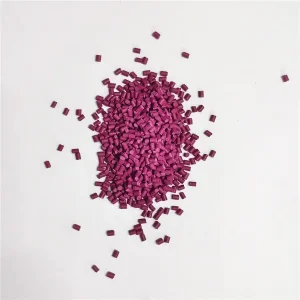
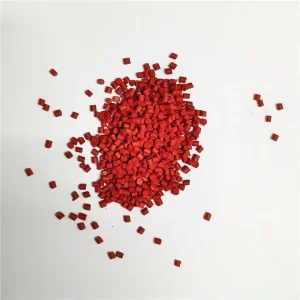
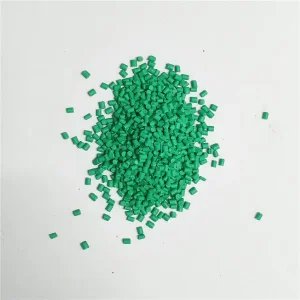
Expert insights regarding formulation, dosage rates, processing parameters, and direct factory procurement.