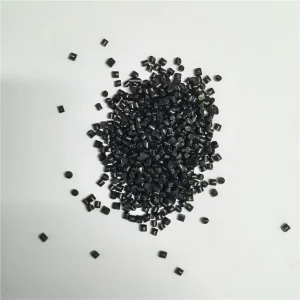
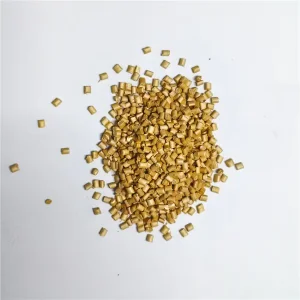
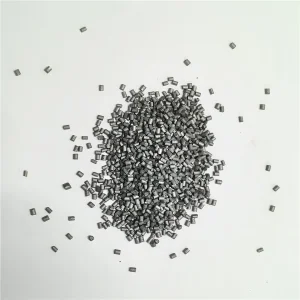
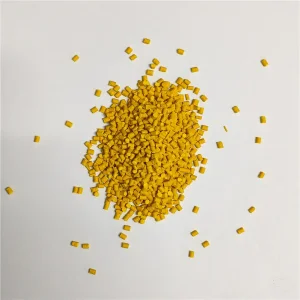
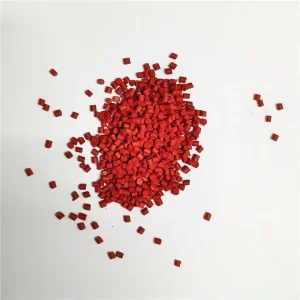
Engineered with high pigment concentration, uniform carrier dispersion, and multi-season outdoor durability.
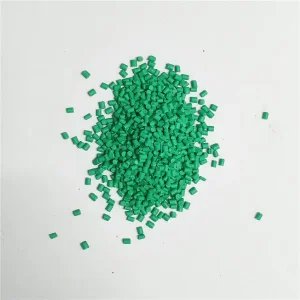
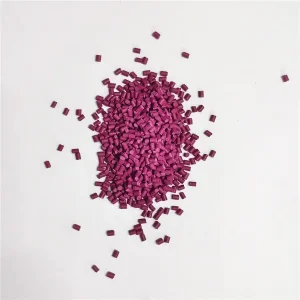
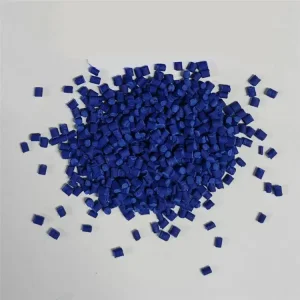
Modern plasticulture demands uncompromising performance. As agricultural producers worldwide face heightened climate volatility, intense UV radiation, chemical pesticide exposure, and narrowing operational margins, the technical requirements for polyethylene (PE) agricultural film masterbatch have evolved far beyond basic color addition. Today’s commercial film converters require multifunctional additive-pigment matrices that deliver extended outdoor service life, thermal energy management, crop-specific light spectrum modulation, and superior mechanical integrity at cost-effective procurement thresholds.
As a leading Chinese masterbatch manufacturer backed by 16 years of polymer compounding expertise, Changzhou Jiazhou Plastic Products Co., Ltd. bridge high-end polymer physics with automated twin-screw extrusion scale to deliver competitive, highly stable masterbatches. This white paper serves as an exhaustive technical guide for global procurement officers, plastic extrusion engineers, and agricultural film converters seeking deep insights into carrier resin melt flow matching, UV stabilization chemistry, pesticide-resistant additive packages, and China 4.0 supply chain efficiencies.
The global market for agricultural films—encompassing greenhouse coverings, reflective mulch films, low tunnel films, and silage stretch wraps—is experiencing a paradigm shift driven by sustainability mandates, multi-layer co-extrusion technology, and functional photothermal chemistry.
Modern blown film lines are moving rapidly toward 5-layer and 7-layer Polyolefin (PO) co-extrusion. This allows specific functional masterbatches to be isolated in distinct layers. For instance, UV stabilizers and anti-block masterbatches are concentrated in the outer weather-exposed layer, while anti-fog/anti-drip surfactants and thermal IR absorbers reside in the inner skin layer. This targeted dosage lowers overall material costs while maximizing chemical efficiency.
Traditional Hindered Amine Light Stabilizers (HALS) degrade rapidly when exposed to acidic agrochemicals, particularly elemental sulfur burners used in greenhouse disease management and halogenated pesticides. The industry is aggressively adopting non-basic NOR-HALS (Alkoxyamine HALS) combined with nickel quenchers and zinc oxides, allowing greenhouse films to maintain structural integrity even under high chemical loads exceeding 1500 ppm of sulfur.
With stringent soil microplastic regulations in Europe and East Asia, agricultural mulch films are transitioning toward fully soil-biodegradable polymers such as PBAT (Polybutylene adipate terephthalate), PLA, and PHA. Masterbatch manufacturers must engineer specialized masterbatches using carrier resins perfectly matched with biodegradable matrices to avoid cross-contamination or degradation during high-shear compounding.
Procuring low-cost PE agricultural film masterbatches without sacrificing quality requires precise engineering parameters. Buyers must evaluate masterbatches using quantifiable metrics rather than generic marketing descriptors. Below is the technical specification baseline recommended by Jiazhou’s polymer research lab:
| Technical Parameter | Testing Method Standard | Optimal Target Value (Greenhouse/Mulch Grade) | Engineering Impact on End Film |
|---|---|---|---|
| Filter Pressure Value (FPV) | DIN EN 13900-5 (14μm mesh) | ≤ 0.3 - 0.5 bar/g | Prevents screen pack clogging during high-speed blown film processing; eliminates pinholes. |
| Melt Flow Index (MFI) | ASTM D1238 (190°C / 2.16 kg) | 0.5 - 4.0 g/10 min (Melt-matched to LLDPE/LDPE) | Ensures homogeneous bubble stability, zero melt fracture, and consistent film thickness distribution. |
| Pigment Dispersion Grade | Microscopic Transmitted Light (×200) | Class 1 (Agglomerates < 2 μm) | Guarantees maximum opacity, color yield, and eliminates localized stress concentration points. |
| Accelerated Weathering QUV | ASTM G154 / ISO 4892-3 | > 3,000 to 5,000 Hours (50% Elongation Retention) | Determines field lifespan (e.g., 12 to 36 months multi-season greenhouse rating). |
| Volatile Content / Moisture | Karl Fischer Titration / ISO 15512 | < 0.05% (500 ppm) | Prevents micro-voids, optical haze, and bubble pop-outs during high-temperature extrusion. |
| Heavy Metal Compliance | RoHS / REACH SVHC / FDA 21 CFR | Lead, Cadmium, Chromium VI Free | Meets global agricultural crop safety, organic farming compliance, and eco-labeling standards. |
When sourcing Cheap PE Agricultural Film Masterbatch, global buyers must distinguish between low initial purchase cost and true total cost of ownership. Low-quality masterbatches containing coarse pigments or unrefined fillers cause frequent screen pack changes, film tear-outs, localized degradation under sunlight, and premature crop failure—costing converter factories tenfold in lost throughput and field warranty claims.
How does a premier manufacturer deliver genuine cost advantages without compromising polymer physics? The answer lies in Changzhou Jiazhou’s adoption of Industry 4.0 smart compounding technology integrated directly into China's world-class petrochemical supply cluster.
Our production floor utilizes multi-component loss-in-weight continuous feeders linked directly to co-rotating twin-screw extruders. This eliminates human error in pigment and additive ratio metering, maintaining melt concentration precision within ±0.1%. Automated consistency means zero batch-to-batch color variance or UV stabilization dropouts.
Extruders featuring length-to-diameter (L/D) ratios of 48:1 and 52:1 ensure extended residence times and supreme dispersion energy. Liquid additives (such as liquid UV stabilizers, anti-fog surfactants, and silane coupling agents) are directly side-injected under high pressure, preventing thermal degradation of delicate functional compounds.
Situated in Jiangsu province, Changzhou Jiazhou leverages immediate geographic proximity to primary polymer refining centers (Sinopec, PetroChina) and major pigment synthesis hubs. Direct access to Shanghai and Ningbo ports yields significant freight savings, enabling us to pass raw cost economies straight to overseas enterprise buyers.
Agricultural film procurement demands vary sharply depending on regional solar radiation levels (kLy), climate extremes, local crop types, and regulatory frameworks. Understanding these localized micro-environments enables custom masterbatch formulation tailored for maximum performance.
Solar Radiation: 180 - 220 kLy/year
Primary Demand: Ultra-high UV masterbatch loaded with NOR-HALS and nano-TiO2 solar reflectors. Thermal IR barrier masterbatches are crucial to preserve night heat while blocking blistering daytime ambient infrared radiation in arid desert greenhouses.
Solar Radiation: 130 - 160 kLy/year
Primary Demand: Multi-season greenhouse films with strict pesticide sulfur resistance. High demand for anti-drip / anti-fog masterbatches to protect delicate berry, tomato, and floriculture crops from fungal condensation drip damage.
Solar Radiation: High Humidity & Moderate/High kLy
Primary Demand: Heavy-duty silver-black agricultural mulch films for soil weed suppression and moisture preservation. Black carbon masterbatches require P-type low-structure carbon black to prevent electrical conductivity and moisture uptake.
Jiazhou PE Masterbatches are engineered for specific polymer processing and field applications. Here is how our masterbatch chemistries perform in key field scenarios:
High-translucency diffuse light masterbatches incorporating inorganic light-scattering additives (such as barium sulfate or synthetic aluminosilicates). These disperse direct sunlight into soft, omnidirectional light, eliminating harsh shadows and preventing leaf scorch in tall crops.
Co-extruded dual-color film. The outer silver layer (formulated with fine-particle aluminum/silver PE masterbatch) reflects sunlight, disorienting insect pests (thrips, aphids) and cooling soil. The inner black layer (carbon black masterbatch) blocks 100% PAR light to eradicate weed growth without herbicides.
Blown multi-layer LLDPE film requiring extreme tear strength, puncture resistance, and oxygen barrier. Jiazhou PIB (polyisobutylene) tackifier masterbatch coupled with UV block masterbatch ensures airtight anaerobic fermentation of livestock forage under field exposure.
Thin-gauge (15 to 40 micron) LLDPE films requiring ultra-high elongation and tear propagation resistance. High-concentration masterbatches deliver uniform additive distribution without creating structural micro-defects or stress risers during stretch blowing.
Answers to critical questions asked by plastic extrusion engineers and procurement heads when specifying PE agricultural masterbatch suppliers:
Explore our full range of color and functional masterbatches trusted by global agricultural and industrial plastic converters.