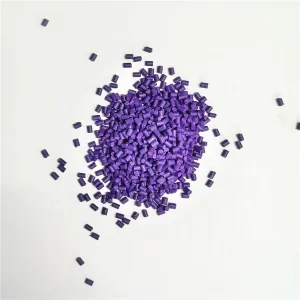
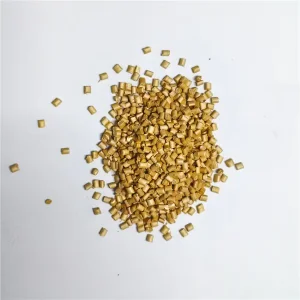
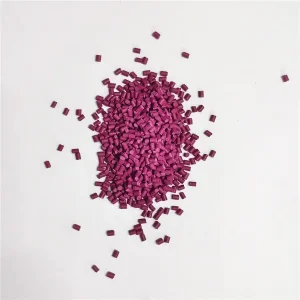
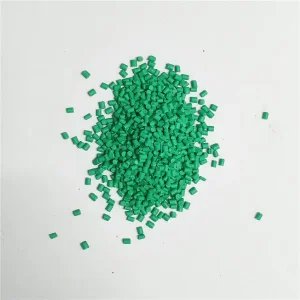
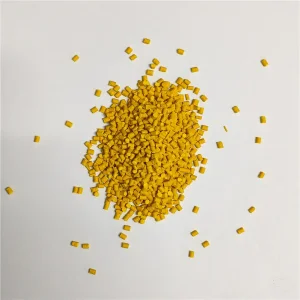
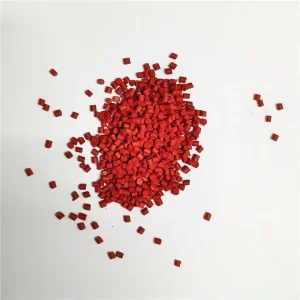
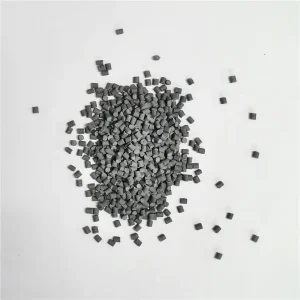
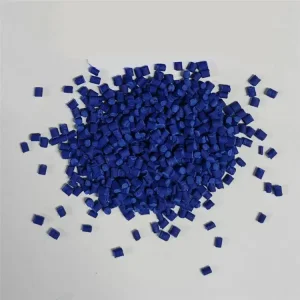
High-dispersion, heat-resistant, and cost-effective color masterbatch grades optimized for high-pressure plastic stool injection molding and profile extrusion.
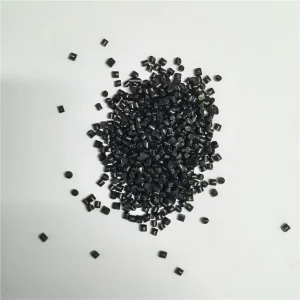
High-Quality High Concentration PE Black Masterbatch Eco-friendly 260°C Heat Resistant
View Product Details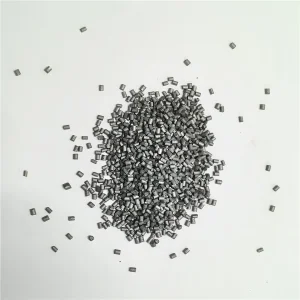
Custom High Concentration PE Silver Masterbatch Anti-fading High Weather Resistance
View Product Details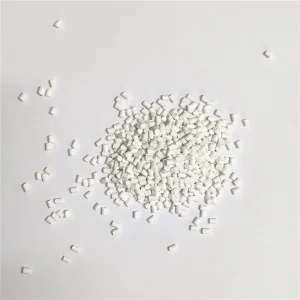
High-Quality High Concentration PE White Masterbatch Non-toxic Weather Resistant
View Product DetailsAn in-depth technical analysis of polyolefin color additives, cost-reduction mechanisms, and high-load filler integration for heavy-duty plastic furniture manufacturing.
The global plastic furniture market—spanning residential stackable chairs, commercial outdoor seating, industrial step stools, and educational furniture—has undergone a dramatic structural transformation. As international raw material costs fluctuate and consumer demand for structural durability increases, plastic injection molders are under immense pressure to optimize production unit economics without sacrificing mechanical strength, aesthetic appeal, or long-term weatherability. At the core of this industrial optimization lies the selection of specialized PE Plastic Stool Masterbatch solutions.
Polyethylene (PE)—specifically High-Density Polyethylene (HDPE) and Linear Low-Density Polyethylene (LLDPE)—serves as the foundational polymer substrate for over 85% of globally produced plastic stools. Because plastic stools are subject to continuous static load, dynamic weight impacts, ambient temperature shifts, and aggressive UV exposure, the masterbatch additive system must perform multiple critical functions simultaneously: uniform color tinting, thermal stabilization during processing, protection against photo-oxidative degradation, and prevention of environmental stress cracking (ESCR).
Rapid urbanization across Southeast Asia, Latin America, Africa, and the Middle East has accelerated demand for affordable, durable outdoor and domestic plastic furniture, driving annual polyolefin masterbatch consumption growth beyond 6.2% CAGR.
By leveraging ultra-high pigment concentrations (up to 50%) combined with micro-fine calcium carbonate (CaCO3) filler masterbatches, manufacturers achieve optimal opacity at lower Let-Down Ratios (LDR 1% to 3%), drastically cutting per-unit colorant expense.
Modern global procurement mandates strict compliance with international chemical safety standards, including EU RoHS 2.0, REACH SVHC, Heavy Metal-Free formulations, and food-contact safe non-migration standards.
The science of dispersing inorganic pigments and organic colorants into high-molecular-weight polyethylene matrices for heavy-load injection molding.
The primary prerequisite for manufacturing a high-grade PE plastic stool masterbatch is selecting a carrier resin whose Melt Flow Index (MFI) strictly matches or exceeds that of the base virgin or recycled resin. For large-format injection molding of plastic stools, virgin resin MFI typically ranges from 4 to 20 g/10min (190°C/2.16kg). If the masterbatch carrier exhibits an MFI lower than the base polymer, incomplete dispersion occurs, manifesting as visual streaks, internal stress concentrators, and reduced structural impact resistance. Changzhou Jiazhou Plastic Products Co., Ltd. utilizes specialized narrow molecular weight distribution LLDPE/HDPE carrier blends that melt rapidly, ensuring uniform pigment distribution across complex stool mold geometries.
Pigment agglomeration is the single leading cause of premature mechanical failure in plastic stools under load. When pigment particles aggregate into clusters larger than 5 microns, they form micro-voids and stress points where cracks originate during impact testing. Our production process utilizes high-intensity continuous twin-screw extruders with custom screw element configurations (mixing blocks, reverse-pitch elements, and shear zones). This process reduces organic/inorganic pigment agglomerates to under 1.5 microns, fully encapsulating each particle with dispersants (wax additives, PE wax, zinc stearate) to ensure flawless surface gloss and structural integrity.
Injection molding of structural plastic stools requires barrel temperatures between 220°C and 260°C. Standard low-cost pigments frequently degrade under these conditions, leading to color shift (Delta E > 1.5) or gas pocket voids. Furthermore, organic phthalocyanine pigments (such as Phthalo Blue and Phthalo Green) can induce anisotropic nucleation in semi-crystalline HDPE, causing unequal mold shrinkage and warped stool legs. Jiazhou's engineering team incorporates non-nucleating organic colorants and thermal stabilizers to guarantee dimensional stability and color consistency batch after batch.
How Changzhou Jiazhou leverages industrial clustering, vertical supply integration, and automated compounding technology to deliver unmatched commercial value.
Located in Changzhou, Jiangsu—the heart of China's petro-chemical and polymer compounding corridor—Jiazhou maintains direct raw-material supply contracts for titanium dioxide, carbon black, and carrier resins, removing middleman markups.
Our 6,000 m² modern manufacturing hub houses multiple high-speed loss-in-weight gravimetric feeder twin-screw lines, minimizing human error, energy consumption, and batch-to-batch variation while optimizing yield.
Proximity to Shanghai and Ningbo ports enables fast container loading, streamlined customs clearances, and flexible freight options, delivering global logistics efficiency directly to overseas injection molding plants.
When global buyers search for a cheap PE plastic stool masterbatch supplier, price per kilogram is only one variable in the cost equation. A lower-priced masterbatch that requires a high Let-Down Ratio (e.g., 4% LDR) or causes screw slipping, filter clogging, or stool warpage is far more costly in total cost of ownership (TCO) than a high-concentration formulation used at 1.5% LDR.
Jiazhou optimizes the operational economics of plastic stool manufacturing by focusing on pigment efficiency. By compounding high tinting strength inorganic pigments (such as Titanium Dioxide R-902 grade or high-structure Carbon Black) into low-viscosity carrier matrices, we empower molders to lower dosage rates while improving opacity, drop-impact strength, and cycle time performance.
Standard engineering parameters for incorporating Jiazhou PE Masterbatches into injection molding processes for heavy-duty plastic stools.
| Masterbatch Grade | Carrier Resin | Pigment Content (%) | Heat Resistance (°C) | Light Fastness (1-8) | Recommended LDR (%) | Primary Application |
|---|---|---|---|---|---|---|
| PE Black Masterbatch | LLDPE / HDPE | 30% - 50% Carbon Black | 260°C - 280°C | 7 - 8 (High UV) | 1.0% - 2.0% | Heavy-duty outdoor stools, industrial step seating |
| PE White Masterbatch | PE / Universal | 40% - 70% TiO2 (Rutile) | 260°C | 8 | 1.0% - 3.0% | Medical stools, high-gloss home furniture |
| Color Masterbatch (Red/Blue/Green) | PE Virgin Carrier | 25% - 40% Organic/Inorganic | 240°C - 260°C | 6 - 7 | 1.5% - 2.5% | Stackable cafe chairs, kids' colorful stools |
| Metallic Masterbatch (Gold/Silver) | Special Polyolefin | 15% - 25% Aluminum/Mica | 220°C - 240°C | 6 | 2.0% - 4.0% | Luxury decorative seating, premium hotel stools |
| CaCO3 Filler Masterbatch | LLDPE + Nano-CaCO3 | 70% - 80% Calcium Carbonate | 260°C | N/A | 5.0% - 25.0% | Cost-reduction & anti-warping structural filler |
Tailoring masterbatch formulations to match specific regional environmental challenges, load requirements, and compliance standards.
Plastic outdoor stools exported to the Middle East, Arizona, or Australia require Hindered Amine Light Stabilizers (HALS) and rutile titanium dioxide to prevent yellowing, surface chalking, and brittle fracture caused by solar UV radiation.
Heavy-load industrial step stools demand high carbon black dispersion (P-type carbon black) and impact modifiers to prevent catastrophic cracking when subjected to dynamic foot impact at sub-zero working temperatures.
School stools require vibrant, non-fading colors combined with non-toxic, lead-free, heavy-metal-free, and phthalate-free certifications to comply with international pediatric health and safety standards.
Actionable guidance for procurement managers and factory owners looking to reduce masterbatch sourcing costs while maintaining high-spec production quality.
Procurement teams frequently fall into the trap of selecting the supplier with the lowest unit price per kilogram ($/kg). However, total colorant cost per unit produced is determined by the following formula:
For example, if a 1.2 kg plastic stool uses a cheaper masterbatch ($1.80/kg) requiring a 3.0% LDR, the color cost per stool is $0.0648. Conversely, using a high-concentration Jiazhou masterbatch ($2.30/kg) that achieves total opacity at just 1.2% LDR results in a color cost per stool of $0.0331—yielding a net 48.9% savings in colorant expense despite a higher initial price per kilogram.
To eliminate batch-to-batch color variation, global buyers should establish a Delta E (ΔE) tolerance standard. Changzhou Jiazhou utilizes X-Rite spectrophotometers to verify color consistency under standard illuminants (D65, F12). We guarantee a ΔE < 0.5 compared to approved master plaques, ensuring that stools manufactured in January seamlessly match production runs in December.
How the polyolefin colorant market is evolving to meet international post-consumer recycled plastic mandates and carbon reduction goals.
Integrating Post-Consumer Recycled (PCR) HDPE and Post-Industrial Recycled (PIR) PE carrier resins into masterbatches allows furniture manufacturers to claim high recycled content percentages without compromising color vibrancy.
Conventional carbon black masterbatches absorb NIR radiation, preventing automated sorting at recycling plants. Jiazhou's NIR-detectable black masterbatch allows black plastic stools to be sorted and recycled efficiently in modern municipal recycling systems.
Advances in surface treatment chemistry allow pigment loadings up to 75%, significantly reducing logistics freight volumes, storage footprints, and packaging waste for high-volume stool injection molding facilities worldwide.
Technical and commercial clarity for plastic stool manufacturers and masterbatch importers.
Explore our full range of color masterbatches engineered for injection molding, film blowing, and profile extrusion.
High-Quality High Concentration PE White Masterbatch Non-toxic Weather Resistant
View Product Details
High-Quality High Concentration PE Black Masterbatch Eco-friendly 260°C Heat Resistant
View Product DetailsEstablished in 2010, Changzhou Jiazhou Plastic Products Co., Ltd. is a premier 16-year expert in masterbatch manufacturing. Operating out of a modern 6,000 m² factory in Changzhou, Jiangsu, China, we export high-concentration PE color masterbatches and filler masterbatches to more than 100 countries worldwide. Our technical support team works directly with global injection molders to match Pantone colors, optimize processing parameters, and drive down manufacturing costs.