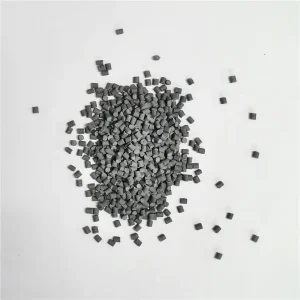
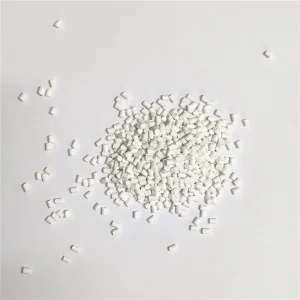
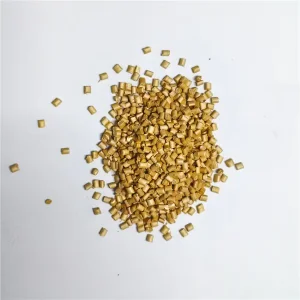
Explore our premium grade color masterbatches engineered for maximum pigment dispersion, thermal stability up to 260°C, and exceptional processing yield across blown film, injection molding, and profile extrusion.
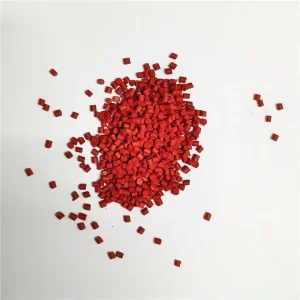
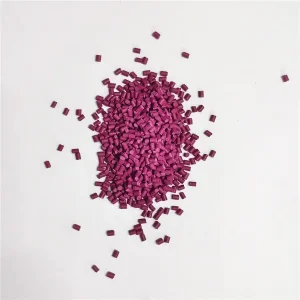
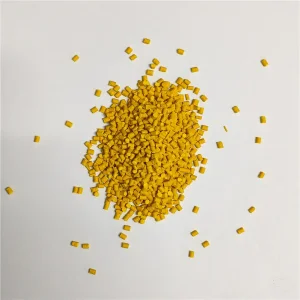
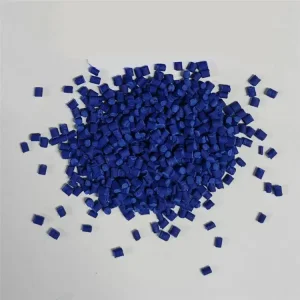
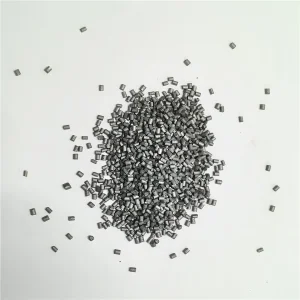
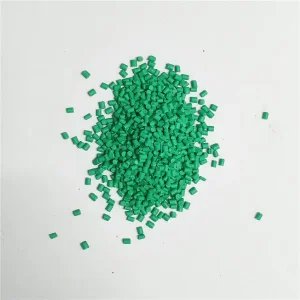
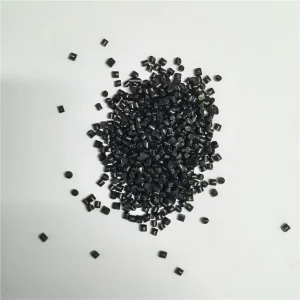
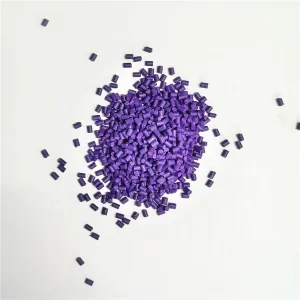
An in-depth evaluation of melt rheology, intermeshing screw mechanics, and thermal shear control in modern Polyethylene (PE) masterbatch manufacturing.
Co-rotating twin-screw extruders utilize modular kneading block combinations to generate intensive dispersive shear forces. This disintegrates pigment agglomerates down to sub-micron primary particle sizes, eliminating specks and pinholes in ultra-thin blown films.
Unlike continuous single-screw kneaders or batch Banbury mixers, modern co-rotating twin-screw machines ensure self-wiping profile geometries and exact residence time control, guarding sensitive organic pigments against thermal degradation at high melt temperatures (up to 260°C).
Integrated multi-component loss-in-weight feeding systems guarantee accurate dosing of virgin LLDPE/LDPE carrier resins, primary pigments, dispersants (PE wax), and heat stabilizers with a dosing error tolerance under ±0.2%, ensuring batch-to-batch color consistency (ΔE < 0.5).
In the plastics colorant industry, the phrase "cheap twin screw extrusion masterbatch" refers to cost-optimized manufacturing economics rather than low grade input materials. By leveraging high-torque twin-screw extruders operating at 600-900 RPM alongside automated multi-head gravimetric feeders, Chinese manufacturers achieve massive energy efficiency per kilogram (reducing Specific Energy Consumption, SEC to below 0.22 kWh/kg). This operational scale drastically lowers transformation costs while yielding superior pigment homogenization compared to traditional single-screw compounding techniques.
Selecting the optimal extrusion masterbatch requires understanding how twin-screw compounding parameters directly influence polymer downstream performance. Below is a engineering comparison of melt characteristics across processing methods:
| Compounding Technology | Pigment Dispersion Index | FPV Value (bar/g) | Output Capacity / Hour | Thermal Degradation Risk | Downstream Film Defect Rate |
|---|---|---|---|---|---|
| Co-Rotating Twin Screw (High Torque L/D 44:1) | Excellent (Sub-micron) | < 0.8 bar/g | 1,200 - 2,500 kg/h | Ultra-Low (Controlled Melt Temp) | < 0.02% (Zero Pinholes) |
| Single Screw Extruder with Mixing Head | Moderate (Macro agglomerates) | > 4.5 bar/g | 300 - 600 kg/h | High (Hot Spots / Shear Heat) | 1.2% - 2.5% (Frequent Specks) |
| Internal Batch Mixer (Banbury + Two-Roll Mill) | Fair to Good | 2.0 - 3.5 bar/g | 500 - 800 kg/h | Moderate (Dust Oxidation Risk) | 0.5% - 1.0% (Color Streaks) |
| Buss Co-Kneader (Reciprocating Single Screw) | Very High | < 1.0 bar/g | 800 - 1,500 kg/h | Low | < 0.05% |
Why international resin converters, masterbatch distributors, and plastic injection molders source twin-screw PE color concentrates directly from Changzhou, Jiangsu's industrial hub.
Situated in Jiangsu province, Changzhou Jiazhou Plastic Products benefits from direct proximity to major petrochemical complexes producing linear low-density polyethylene (LLDPE) and high-density polyethylene (HDPE) carrier resins, as well as synthetic organic pigment manufacturers. This localized supply chain reduces raw material acquisition freight by 30-40% compared to Western competitors.
With an active plant footprint spanning 6,000 m² and high-capacity parallel twin-screw extrusion lines, our factory operates continuous high-speed compounding shifts. Automation reduces direct labor overheads while increasing line speed, creating a structural cost barrier that allows us to offer cheap twin screw extrusion PE masterbatches without diluting pigment concentration or compromising carrier quality.
Every twin-screw batch undergoes spectrophotometer color matching (Datacolor 800), Melt Flow Index (MFI) testing according to ASTM D1238, moisture determination (< 0.05% via Karl Fischer titration), and filterability testing to ensure seamless compatibility during high-speed customer processing.
Addressing circular economy goals, post-consumer recycled resin (PCR) coloring, carbon neutrality, and REACH/RoHS compliance across global plastic markets.
As global regulations (such as EU Packaging and Packaging Waste Directive) mandate recycled plastic content, processors face severe color consistency challenges due to yellowing or graying of post-consumer recycled (PCR) polyethylenes. Our twin-screw high-opacity white and specialized chromatic masterbatches effectively mask background resin contamination at low let-down ratios (1.5% to 3.0%).
Traditional black masterbatches containing standard carbon black absorb Near-Infrared (NIR) light, causing dark plastic packaging to be misidentified and sent to landfills by automated recycling sorting plants. We produce specialized NIR-detectable black masterbatches formulated on twin-screw extruders that pass optical sorting criteria while maintaining intense black jetness.
Global consumer product safety standards require rigorous chemical purity. Our full color series—ranging from PE Red to Yellow and Green concentrates—are formulated using 100% heavy-metal-free, lead-free organic pigments compliant with EU RoHS 3.0, REACH SVHC, FDA 21 CFR food contact regulations, and China GB 4806 hygiene standards.
Tailored masterbatch formulations optimized for specific converting processes, cooling cycles, and mechanical stress requirements in end-use applications.
Processing Context: High-speed blown film extruders producing 10–30 micron agricultural mulch films, shopping bags, and co-extruded courier bags.
Engineering Solution: Twin-screw extrusion ensures zero un-melted pigment aggregates, preventing film bubble rupture, die-lip buildup (drool), and pinholes. High melt index (MFI 20 g/10min) LLDPE carrier allows smooth dispersion without affecting tensile strength.
Processing Context: Continuous profile extrusion of municipal water mains, corrugated drainage pipes, and telecom conduits exposed to long-term environmental stress.
Engineering Solution: Formulated with premium carbon black (20-25nm particle size) or weatherable inorganic pigments. Delivers 2.0-2.5% carbon black content in the final pipe with ISO 18553 dispersion rating < Category 2, preventing UV photo-oxidation for 50+ years.
Processing Context: Fast-cycle injection molding of crates, caps, closures, storage containers, and blow-molded industrial drums.
Engineering Solution: Formulations incorporate specialized processing aids and non-warping organic pigments. Eliminates post-molding dimensional shrinkage, differential cooling warping, and surface weld-line blemishes.
A systematic technical evaluation framework designed for procurement heads, chemical engineers, and OEM purchasing directors evaluating masterbatch suppliers.
Evaluating masterbatch purely on price per kilogram is a common procurement misstep. Higher-concentration twin-screw masterbatches allow lower Let-Down Ratios (e.g., 1.5% vs 4.0%), significantly reducing effective coloring cost per ton of finished polymer resin by up to 25% while maintaining superior color yield.
To avoid phase separation or mechanical property degradation in finished molded parts, the carrier polymer of the masterbatch must match or exceed the Melt Flow Index (MFI) of the matrix polymer. Jiazhou optimizes carrier selection using high-MFI PE carriers tailored to your extrusion or injection viscosity requirements.
With established sea freight connections via Shanghai and Ningbo ports, flexible MOQ terms (500 kg to 25-ton full container loads), and custom moisture-proof aluminum-foil valve bags, Changzhou Jiazhou guarantees rapid order dispatch within 10–14 days to over 100 export destinations.
Expert engineering answers to common technical queries regarding cheap twin-screw extrusion PE color masterbatches, processing parameters, and direct sourcing from China.
Choose from our standardized, highly concentrated PE masterbatches designed for plastic coloring, extrusion processing efficiency, and weather resistance.