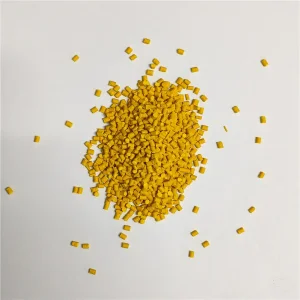
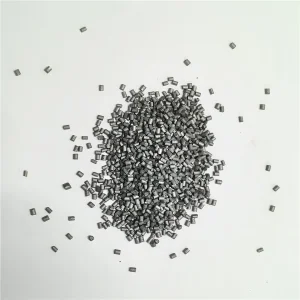
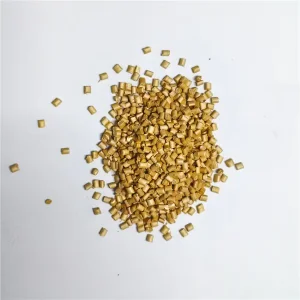
Engineered with optimal rheological additives, high thermal stability (up to 260°C), and uniform pigment dispersion.
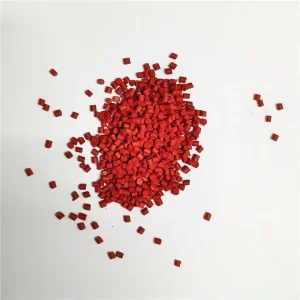
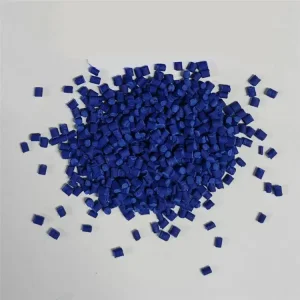
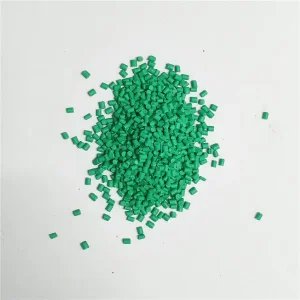
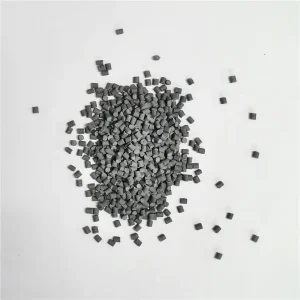
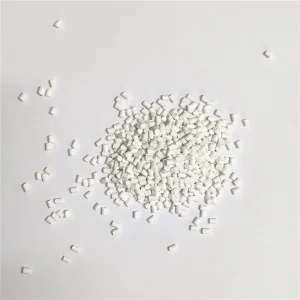
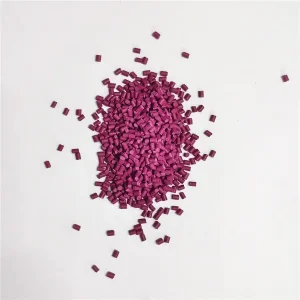
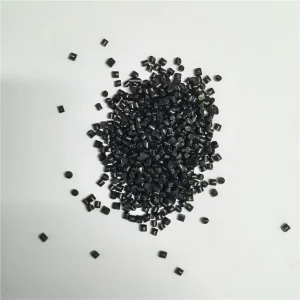
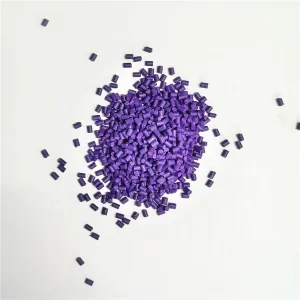
The global polyolefin converting industry is undergoing a structural transition toward high-throughput, energy-efficient extrusion, and sustainable raw material utilization. Within this industrial landscape, China High Lubrication PE Masterbatch Suppliers and Factories play a decisive role in delivering functional masterbatches that optimize melt rheology, eliminate processing defects, and enhance end-product physical characteristics. As thermal shear limits are pushed by high-speed machinery, standard Polyethylene (PE) resins—including Linear Low-Density Polyethylene (LLDPE), High-Density Polyethylene (HDPE), and Low-Density Polyethylene (LDPE)—exhibit interfacial instability, high die drag, and melt fracture (commonly referred to as "sharkskin").
High Lubrication PE Masterbatch functions as both an internal fluid friction modifier and an external interface lubricant. Modern compounding factories in China, specifically specialized manufacturing enterprises such as Changzhou Jiazhou Plastic Products Co., Ltd. (operating with over 16 years of compounding authority), leverage precision twin-screw co-rotating extrusion systems to combine high-purity micro-wax lubricants, fluoropolymer Polymer Processing Aids (PPA), and siloxane-based slip additives within customized PE matrix carriers. This whitepaper analyzes the chemical mechanisms, rheological benchmarks, environmental regulatory shifts, and localized industrial deployment scenarios of high lubrication masterbatch formulations.
By coating internal extruder barrel walls and reducing polymer-to-metal friction, motor load torque drops by 12% to 18%, yielding substantial direct kilowatt-hour energy savings per metric ton processed.
Prevents high shear-induced stress at the die exit geometry. Eliminates optical distortion, surface roughness, and optical haze across ultra-thin packaging films and high-speed pipe extrusions.
Suppresses "die drool" and polymer degradation buildup during continuous multi-day production runs, dramatically extending production intervals between manual tool cleaning shutdowns.
To understand the performance advantages engineered by top China masterbatch manufacturers, one must evaluate the boundary layer dynamics of molten polyolefins. Under high shear rates inside single-screw film extruders or twin-screw profile extruders, the polymer melt experiences a parabolic velocity profile. At the die contact wall, zero-velocity boundary conditions create severe velocity gradients, driving localized shear stress beyond the critical threshold ($\tau_c \approx 0.1 - 0.15 \text{ MPa}$).
High Lubrication PE Masterbatches utilize a multi-component lubricant system consisting of:
During melt processing, sub-micron fluoropolymer or siloxane droplets dispersed within the masterbatch migrate radially toward the die wall due to interfacial energy gradients. Within 15 to 30 minutes of introducing the masterbatch at a 1.0%–2.5% let-down ratio (LDR), a continuous lubricating layer measuring approximately 0.2 to 0.5 microns forms on the die wall. This effectively replaces the polymer-metal friction boundary with a fluid-fluid interface, enabling plug flow dynamics and eliminating sharkskin surface defects.
Professional procurement teams and polymer engineers must evaluate masterbatch performance using quantifiable physical-chemical parameters. China's leading factories publish rigorous baseline data to guarantee lot-to-lot consistency. Below is a standard technical matrix representative of industrial-grade High Lubrication PE Masterbatch produced under ISO 9001 and ISO 14001 quality systems:
| Analytical Metric | Testing Standard / Methodology | Standard Polyolefin Baseline | High Lubrication PE Masterbatch Modified |
|---|---|---|---|
| Dynamic Coefficient of Friction (CoF) | ASTM D1894 (Film-to-Film) | 0.45 – 0.65 | 0.12 – 0.18 (Ultra-Low) |
| Melt Flow Index (MFI @ 190°C / 2.16 kg) | ISO 1133 / ASTM D1238 | 1.0 – 2.5 g/10 min | 12.0 – 25.0 g/10 min (High Flow Carrier) |
| Thermal Degradation Onset (TGA 5% loss) | ASTM E1131 (Nitrogen atmosphere) | ~210°C | ≥ 260°C (High Thermal Stability) |
| Extruder Head Pressure Reduction | In-line Pressure Transducer | Baseline (100%) | 15% – 28% Pressure Drop |
| Pigment Dispersion Dispersion Index | ISO 18553 (Filter Pressure Value) | > 5.0 bar/g | < 1.2 bar/g (Premium Dispersion) |
| Volatile Matter Content | Moisture Analyzer @ 105°C | 0.30% | ≤ 0.08% (Bubble Breakage Protection) |
The commercial demand for High Lubrication PE Masterbatches spans multiple regional hubs across Asia-Pacific, North America, Europe, and the Middle East. Specialized conversion processes demand tailor-made formulations based on localized equipment configurations, ambient processing temperatures, and end-use regulatory requirements:
In agricultural greenhouse films, heavy-duty shipping sacks (FFS), and food packaging films, high line speeds (>150 meters/minute) induce rapid melt draw rates. Standard PE resin experiences high friction against bubble guides and collapsing frames. High Lubrication Masterbatches incorporate fast-blooming oleamide or erucamide slip additives combined with permanent siloxane networks. This combination ensures an immediate drop in friction coefficient for inline bag-making while maintaining long-term surface slip without compromising corona treatment or flexographic print adhesion.
Extruding thick-walled HDPE water pipes (PE100 grades) requires maintaining high dimensional tolerance and smooth interior walls to minimize fluid friction loss. High lubrication PE masterbatches lower melt temperature during high-tonnage extrusion, reducing thermal stress on the polymer structure, preventing sag during vacuum calibration, and ensuring smooth internal bore surfaces compliant with municipal water flow guidelines.
For fast-cycling caps, closures, and food containers, cavity filling speed is critical. High lubrication masterbatches improve spiral flow length within the mold cavity by up to 25%, permitting lower injection pressures, reducing clamp tonnage requirements, and facilitating clean part ejection without pin push-through or physical warping.
In telecom and power cable jacket extrusion, low surface roughness is essential to minimize friction during cable pulling through underground conduits. High-lubrication additives formulated with halogen-free flame retardant compatibility provide smooth surface finishes without disrupting dielectric breakdown voltage properties.
Strategic advancements shaping the next era of masterbatch manufacturing in China.
Driven by EU REACH and US EPA regulatory restrictions on per- and polyfluoroalkyl substances (PFAS), Chinese factories are pioneering non-fluorinated processing aids based on modified organosilicones, hyperbranched polymers, and biodegradable ester chemistry.
Recycled PE feeds possess inconsistent melt flow indexes and residual contaminants. Advanced lubrication masterbatches integrate reactive chain extenders and surface modifiers to stabilize degraded PCR batches during high-speed remanufacturing.
Leading manufacturers like Changzhou Jiazhou implement closed-loop gravimetric dosing and real-time optical spectroscopy melt monitoring to ensure color delta E (ΔE) values under 0.5 across multi-ton production runs.
To maintain superior production quality across global export markets, selecting an experienced manufacturer is critical. Changzhou Jiazhou Plastic Products Co., Ltd. stands as a premier color masterbatch and functional masterbatch factory located in the key industrial hub of Changzhou, Jiangsu Province, China (No. 4-3, Shengli Road, Buyi, Zouqu Town, Zhonglou District).
Established in 2010, Jiazhou Plastic Products operates a modern 6,000 square meter factory equipped with high-torque twin-screw compounding lines, automated underwater pelletizing systems, and computerized color-matching spectrophotometers. With over 16 years of polymer processing expertise, the company exports to more than 100 countries across Europe, Southeast Asia, South America, and the Middle East.
Every masterbatch batch undergoes melt flow testing, thermogravimetric analysis (TGA), ash content testing, and filter pressure testing (FPV) to ensure zero nozzle clogging and consistent let-down performance.
Formulations comply with EU RoHS, REACH, FDA food contact regulations (for selected packaging grades), and heavy-metal-free international standards.
In-house R&D specialists provide custom color matching (Pantone/RAL) and tailored lubrication-to-pigment loading ratios within 3 to 5 business days.
Direct answers to technical queries regarding High Lubrication PE Masterbatch application, dosing, and supply chain logistics.
Explore our extensive range of high-concentration PE colorants, metallic effect masterbatches, and anti-fading formulations.