High-dispersion, heat-stabilized PE masterbatches engineered by Changzhou Jiazhou Plastic Products Co., Ltd. Optimized for direct export via LCL consolidation.
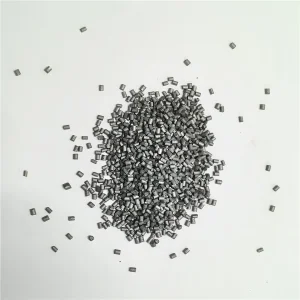
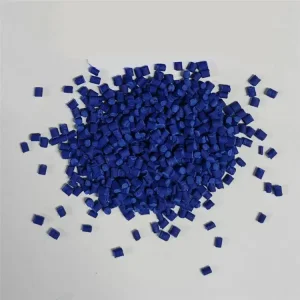
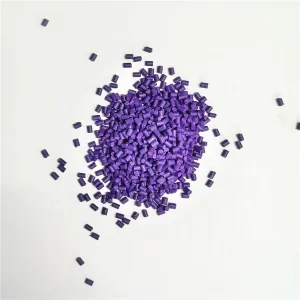
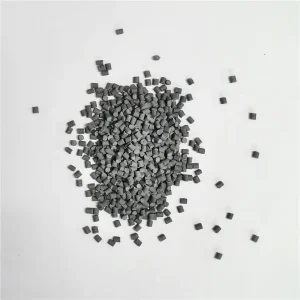
In the contemporary global plastics manufacturing paradigm, procurement efficiency is governed not only by polymer chemistry and raw material pricing, but equally by supply chain agility and freight cost optimization. For small-to-medium plastic processing enterprises (SMEs) as well as multinational converters managing localized production runs, procuring Polyethylene (PE) masterbatches via Less than Container Load (LCL) shipments from China has emerged as a cornerstone strategic advantage.
China remains the world's primary manufacturing hub for advanced polyolefin masterbatches, leveraging fully integrated petrochemical supply chains, cutting-edge twin-screw extruders, and vast pigment synthesis capabilities. However, market volatility, fluctuating polymer demand, and working capital constraints make Full Container Load (FCL) orders (typically requiring 18 to 25 metric tons) impractical for specialized color matching or low-volume, high-value additive masterbatches. This is where specialized China LCL Shipment PE Masterbatch companies provide critical operational elasticity.
LCL shipments allow converters to order exact quantities (e.g., 500 kg to 5,000 kg per SKU), preventing capital tie-up in dead stock while enabling multi-SKU color consolidation in a single sea freight booking.
By shipping smaller trial batches via ocean LCL, international buyers can evaluate color fidelity, dispersion quality, and thermal performance under real factory extruding conditions before committing to FCL scale.
Consolidating high-grade PE color masterbatches with palletized moisture-proof barrier bags mitigates the risks of cargo damage during multi-port LCL transit, guaranteeing zero moisture absorption upon arrival.
At Changzhou Jiazhou Plastic Products Co., Ltd., masterbatch production is treated as an exact physical science. A superior masterbatch must achieve a harmonious balance between the carrier resin, pigment dispersion matrix, and functional additive packages. Mismatches in Melt Flow Index (MFI) or thermal degradation of pigments can lead to catastrophic filter clogging, film blowing bubbles, or uneven surface streakiness during injection molding.
The selection of carrier resin determines the compatibility of the masterbatch with the end-user's polymer matrix. PE masterbatches typically utilize Low-Density Polyethylene (LDPE) or Linear Low-Density Polyethylene (LLDPE) carriers modified with low-molecular-weight polyethylene waxes (PE Wax) to optimize shear stress during twin-screw compounding.
| Masterbatch Class | Carrier Base | Pigment / Filler Content (%) | Melt Flow Index (MFI g/10min) | Thermal Stability (°C) | Primary Industrial Applications |
|---|---|---|---|---|---|
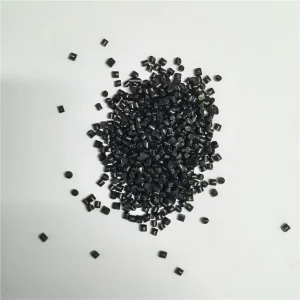
| PE Black Masterbatch | LLDPE / LDPE | 30% - 50% Carbon Black | 12 – 25 (190°C/2.16kg) | Up to 260°C | Blown film, agricultural mulch, geomembranes, pipe extrusion |
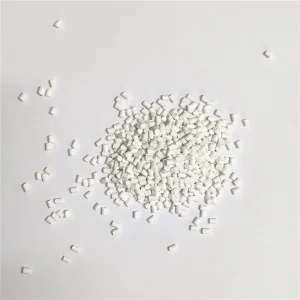
| PE White Masterbatch | LDPE / Universal PE | 40% - 70% Rutile TiO₂ | 15 – 35 (190°C/2.16kg) | Up to 280°C | Food packaging, courier bags, lamination films, blow molding |
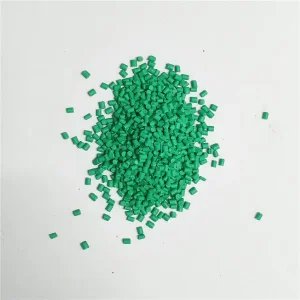
| PE Color Masterbatches | HDPE / LLDPE Blend | 20% - 40% Organic/Inorganic | 10 – 30 (190°C/2.16kg) | 240°C - 260°C | Injection molded crates, toys, household items, caps & closures |
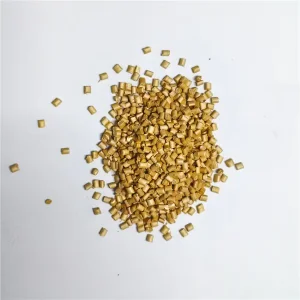
| Metallic / Pearl Masterbatch | Pure Virgin LDPE | 15% - 25% Mica/Alu Flakes | 18 – 40 (190°C/2.16kg) | 220°C - 240°C | Cosmetic packaging, luxury containers, decorative housings |
High concentration masterbatches require sub-micron particle dispersion. When pigments agglomorate, they cause localized stress points in blown films, leading to pinholes or film tearing. Changzhou Jiazhou utilizes continuous co-rotating twin-screw extruders equipped with high-shear kneaders that break down pigment agglomerates to under 1 micron (μm).
Furthermore, processing plastics at elevated temperatures (such as 240°C to 260°C in high-speed extrusion) can thermally degrade low-grade pigments, causing shade shifting or toxic gas release. Our formulations incorporate sterically hindered phenol antioxidants and phosphite processing stabilizers, preventing thermal oxidative degradation during high-temperature processing.
Shipping plastic raw materials across international waters via Less than Container Load (LCL) presents unique supply chain engineering challenges. Unlike Full Container Loads (FCL) where the container is sealed directly at the Changzhou factory, LCL shipments involve cargo handling at regional ocean freight consolidation warehouses (CFS - Container Freight Station) in Ningbo or Shanghai port.
Polyolefin masterbatches—especially hydroscopic filler masterbatches containing calcium carbonate (CaCO₃) or hygroscopic white masterbatches—can absorb ambient ocean humidity. We pack all LCL orders in heavy-duty 25kg PE valve bags enclosed in aluminum-foil vacuum moisture barriers, mounted on fumigated wooden or plastic pallets.
LCL ocean freight rates are calculated based on Volume Weight (CBM) or Actual Weight (MT), whichever is higher. High-density masterbatches (such as white or filler masterbatches with densities up to 1.5 - 1.8 g/cm³) require specialized stacking layouts to avoid volumetric penalty charges during port consolidation.
To ensure seamless clearance at destination ports across North America, Europe, Southeast Asia, and the Middle East, every LCL shipment includes a complete documentation packet: COA (Certificate of Analysis), SDS (Safety Data Sheet), REACH/RoHS statements, and HS Code 3206.49.00 declarations.
Different plastic converting machinery imposes distinct physical and thermal stresses on polyolefin masterbatches. Whether your facility operates ultra-high-speed film blowing towers or multi-cavity precision injection molding presses, masterbatch formulations must be tailored accordingly.
Requires exceptional melt strength, ultra-fine pigment dispersion (no filter mesh clogging at 120-200 mesh), and zero volatile organic compounds (VOCs) to prevent bubble instability in agricultural films, courier mailers, and shopping bags.
Demands high flowability (higher MFI) to ensure quick mold filling without warpage or sink marks. Crucial for automotive interior trims, electronic enclosures, storage crates, and rigid caps.
Focuses on long-term thermal stabilization, UV resistance (Carbon Black particle size < 25nm for outdoor PE100 pipe applications), and resistance to environmental stress cracking (ESCR).
Needs excellent ESCR, non-migration properties for food-contact or pharmaceutical bottles, and uniform wall thickness distribution without streakiness under stretch-blow conditions.
As global plastic environmental regulations tighten—such as the EU's Packaging and Packaging Waste Regulation (PPWR) and global mandates for recycled content (PCR)—Changzhou Jiazhou is leading the transition toward eco-friendly masterbatch solutions.
Formulated using Post-Consumer Recycled Polyethylene (PCR-PE) carrier resins, allowing converters to increase the total recycled content of their final end-products without sacrificing color dispersion or tensile strength.
Utilizing sugarcane-derived bio-polyethylene as the carrier matrix, enabling a 100% bio-based carbon footprint for eco-conscious brand owners in food and cosmetic packaging.
Traditional carbon black absorbs Near-Infrared (NIR) radiation, making black plastic undetectable in automated recycling sorting facilities. Our NIR-detectable black masterbatches allow black plastics to be sorted and recycled effortlessly.
To maintain an impeccable record across 100+ export destinations, Changzhou Jiazhou Plastic Products Co., Ltd. enforces a rigorous 5-stage quality management process from incoming raw material inspection to final LCL container dispatch.
In-house Datacolor spectrophotometer systems match target samples against Pantone, RAL, or customer physical swatches within Delta E < 0.8 tolerance.
Every batch undergoes MFI testing (ASTM D1238) to guarantee identical rheological behavior during extrusion, preventing pressure spikes in processing lines.
TGA testing verifies exact pigment load percentage and filler concentration, ensuring customers receive maximum tinting power per kilogram.
Full compliance with EU RoHS 2.0 Directive 2011/65/EU, REACH SVHC candidate lists, and US FDA 21 CFR 177.1520 for food-contact polymers.
Browse our complete product range. Mix and match different masterbatch colors and functional grades into a single consolidated LCL freight shipment.
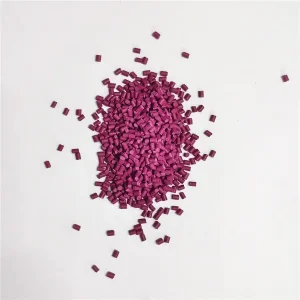
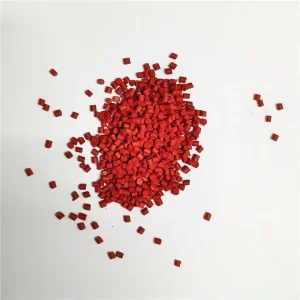
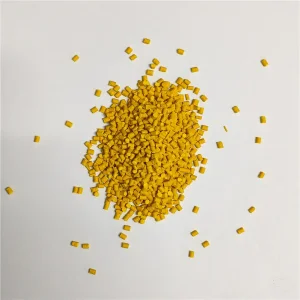
Expert answers to common queries regarding LCL shipment logistics, polymer compatibility, addition ratios, and storage protocols.
Our standard minimum order quantity for LCL ocean freight is 500 kg per single SKU, or a total consolidated shipment of 1,000 kg (1 Metric Ton) across multiple color masterbatches (e.g., 250kg Black + 250kg White + 500kg Blue). This flexibility allows global buyers to optimize freight costs while testing different color masterbatches.
LCL shipments involve consolidated container storage at CFS warehouses where relative humidity can spike. We employ a triple-layer protection system: First, heavy-duty 25kg multi-wall PE valve bags; second, an outer vacuum-sealed aluminum-foil moisture barrier; third, complete stretch-wrapping around fumigated ISPM-15 wooden or plastic pallets with protective corner boards.
Yes. While Polyethylene (LDPE/LLDPE) is our standard carrier due to its exceptional flexibility and broad polymer compatibility, our PE masterbatches can be seamlessly let down into Polypropylene (PP), EVA, and PS substrates for general injection molding or blown film applications. For high-temperature PP extrusion (>260°C), we also offer customized PP-carrier masterbatches.
The standard dosage ranges from 1% to 4% depending on the wall thickness of the finished product and the required opacity. For film blowing applications (20-50 microns), a let-down ratio of 2% to 3% is typically optimal. For thick-walled injection molding products, a 1% to 2% dosage yields rich, uniform color saturation.
Pigment streaks occur when the Melt Flow Index (MFI) of the masterbatch is significantly lower than the virgin polymer, or when dispersion temperature is insufficient. To fix this: (1) Ensure your processing temperature profile reaches at least 180°C - 220°C; (2) Verify that the masterbatch MFI matches your base resin; (3) Select Jiazhou's fine-filtered masterbatch series engineered for ultra-thin film blowing.
Every shipment is issued a complete regulatory and logistics dossier: Commercial Invoice, Packing List, Bill of Lading (B/L), Batch-specific Certificate of Analysis (COA), Safety Data Sheet (SDS / MSDS), and REACH / RoHS compliance certificates.
With 16+ years of manufacturing leadership and exports spanning 100+ countries, we are your trusted China masterbatch supplier for both FCL and flexible LCL consolidated shipments. Request your custom color match or freight quotation today.
Phone / WhatsApp:
+86 15861161116
+86 17768388359
Email Contact:
[email protected]
[email protected]