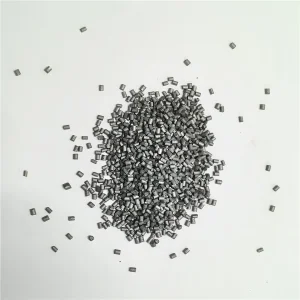
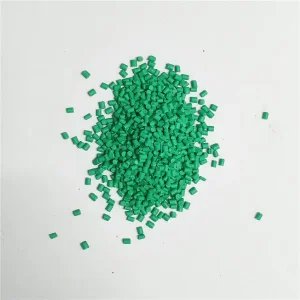
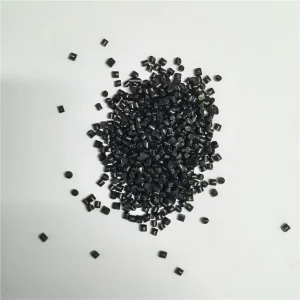
Formulated with superior pigment loading, anti-fading heat stabilizers (up to 260°C), and advanced carrier dispersion for monofilament, tape yarn, blown film, and injection molding applications.
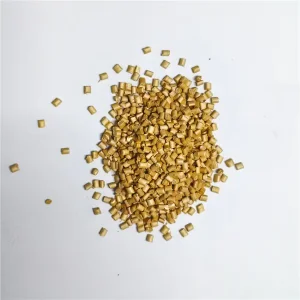
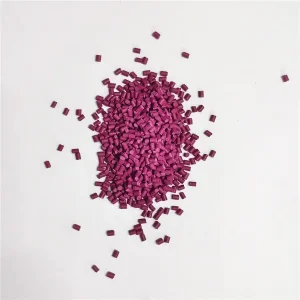
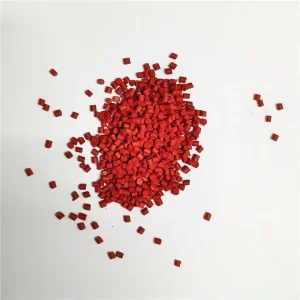
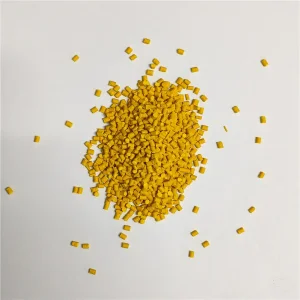
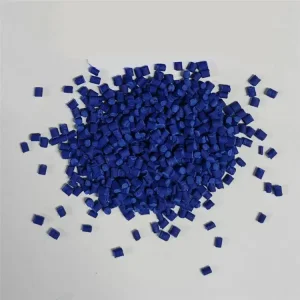
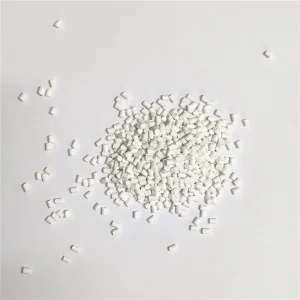
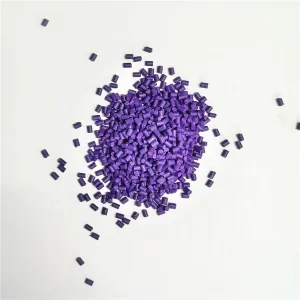
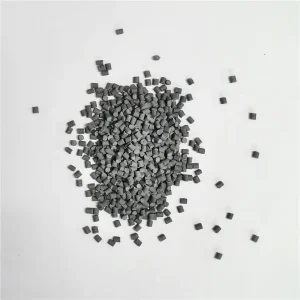
Empowering global polyolefin converters with high-purity masterbatch formulations optimized for high-speed monofilament extrusion, micro-denier tape yarns, and multi-season outdoor durability.
The global demand for high-durability outdoor sunshade netting, agricultural shading fabrics, and construction safety screens has accelerated the need for ultra-weather-resistant Polyethylene (PE) masterbatches. Polyethylene monofilaments and flat tape yarns used in exterior shade nets are constantly subjected to severe photo-thermal oxidation caused by solar ultraviolet (UV) radiation, ambient thermal loads exceeding 50°C, and exposure to agrochemicals.
China's masterbatch manufacturing sector—led by integrated enterprise hubs in Jiangsu and Zhejiang provinces—has evolved into the global benchmark for high-concentration, additive-stabilized PE masterbatches. By pairing virgin low-density (LDPE) and linear low-density polyethylene (LLDPE) carrier resins with high-molecular-weight Hindered Amine Light Stabilizers (HALS), organic UV absorbers, micro-fine carbon black, and heat-stabilized organic pigments, Chinese factories produce masterbatches that ensure extended outdoor service lives ranging from 3 to 10 years even in desert or tropical climatological zones.
Unstabilized high-density polyethylene (HDPE) and linear low-density polyethylene (LLDPE) exposed to outdoor sunlight experience photon absorption primarily in the UV-A (315–400 nm) and UV-B (280–315 nm) spectral bands. This absorption initiates Norrish Type I and Type II photochemical reactions, breaking polymer C-C and C-H backbones and forming free alkyl radicals (R·). In the presence of atmospheric oxygen, these radicals convert into peroxy radicals (ROO·), propagating auto-catalytic chain scission, cross-linking, surface chalking, micro-cracking, and rapid loss of tensile elongation.
Polymeric HALS (such as HALS 944 and HALS 622) operate via the Denisov Cycle, continuously scavenging nitroxyl radicals without being consumed. High molecular weight minimizes migration and volatilization during 260°C monofilament spinning.
Synergistic blending of Triazine UV absorbers with Hydroxyphenyl-benzotriazoles converts damaging UV photons into harmless thermal energy via reversible keto-enol tautomerism, protecting deeper layers of extruded shade yarns.
For black agricultural shade nets, high-purity furnace carbon black (particle size 18–22 nm) acts as a physical UV shield. At a 40%–50% masterbatch concentration, it absorbs across the entire solar spectrum while providing thermal dissipation.
Professional B2B buyers, shade net manufacturers, and extrusion plants evaluate Chinese masterbatch suppliers against strict physical, thermal, and regulatory benchmarks.
The Melt Flow Index (MFI) of the masterbatch carrier must precisely match or slightly exceed the matrix resin (typically MFI 0.8 to 4.0 g/10min at 190°C/2.16kg for monofilament extrusion). Mismatched MFI leads to phase separation, melt fracture, uneven color banding, and yarn breakage during high-speed drawing (draw ratios 1:4 to 1:6).
For fine monofilament extrusion (diameters 0.15 mm – 0.30 mm), masterbatch particle dispersion is critical. Top-tier Chinese manufacturers enforce a strict Filter Pressure Value (DIN EN 13900-5) below 1.0 bar/g using 14-micron screen packs. This eliminates agglomerates that cause spinneret clogging and fiber snapping.
Agricultural shade nets are frequently exposed to acidic pesticides, sulfur burners, and halogenated agrochemicals. Standard HALS compounds react with acidic residues, deactivating UV protection. Leading Chinese factories formulate masterbatches using NOR-HALS (amino-ether HALS), ensuring non-reactivity with sulfur and halogen ions for greenhouse shade cloth applications.
The future of sunshade net masterbatch compounding is defined by functional spectrum filtering, non-PFAS processing aids, and eco-friendly circular polymer carriers.
Integration of spectral-shifting additives that convert UV radiation into Photosynthetically Active Radiation (PAR, 400–700 nm) to boost agricultural crop growth while shielding plants from extreme IR heat.
Transitioning from traditional fluoroelastomer PPAs to organic bio-based fluoro-free process aids, ensuring compliance with global PFAS bans while maintaining extrusion melt smoothness.
Developing masterbatches with upcycled post-consumer Polyethylene (rPE) carrier resins enhanced by reactive chain extenders for zero-carbon shade net production.
Incorporating functional NIR-reflecting inorganic oxides into colored masterbatches to reduce surface temperature of architectural shade sails by up to 12°C.
Premium Chinese masterbatch suppliers maintain strict quality assurance workflows certified under ISO 9001:2015 and ISO 14001:2015 management systems. Every batch destined for export undergoes rigorous laboratory testing before shipment:
Using X-Rite Datacolor spectrophotometers to guarantee color consistency within ΔE < 0.5 under D65, A, and F11 light sources across all production runs.
Testing samples under ASTM G154 (QUV UV-A 340nm exposure) and ISO 4892-2 (Xenon arc light exposure) to verify 3,000 to 5,000-hour light fastness rating (8 Grade on Blue Wool Scale).
Formulations fully compliant with EU REACH SVHC candidate list, RoHS Directive 2011/65/EU (RoHS 3.0), and FDA 21 CFR 177.1520 food-contact suitability for agricultural crop netting.
Tailored masterbatch formulations adapted to distinct regional weather extremes, solar irradiance levels, and industrial requirements worldwide.
Conditions: UV Index 11+, ambient temperatures > 50°C, sandstorm abrasion.
Solution: High LDR (4%-5%) PE Black Masterbatch with 40% furnace carbon black and NOR-HALS to prevent thermal embrittlement in desert shade structures.
Conditions: Intense summer solar exposure, active pesticide application in vineyards and orchards.
Solution: Green and White PE Color Masterbatches with pesticide-resistant HALS and anti-blooming non-migration additives.
Conditions: Severe UV radiation due to ozone depletion, strict UPF 50+ human shade standards.
Solution: High-density TiO2 White and Silver Masterbatch offering high solar reflection and skin-safe UPF ratings for school/park shade sails.
Browse our full range of color masterbatches, functional additive masterbatches, and custom shade net formulations designed for global B2B plastics extrusion lines.