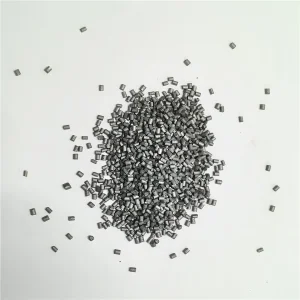
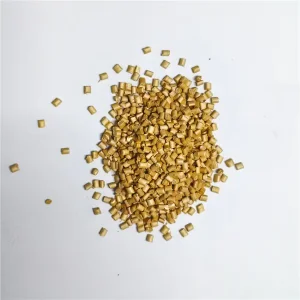
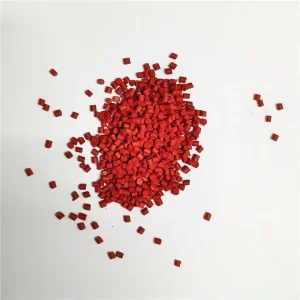
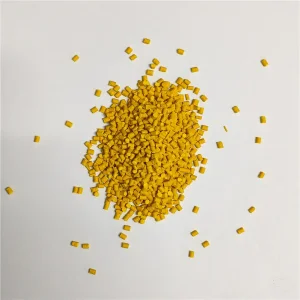
Explore our high-performance color and additive masterbatch formulations tailored for blown film extrusion, precision injection molding, and industrial pipe manufacturing.
In global thermoplastics processing, selecting an optimized PE carrier color masterbatch is the single most critical factor for ensuring color homogeneity, mechanical integrity, and processing yield. Polyethylene (PE) remains the dominant matrix resin for masterbatches due to its exceptional chemical inertia, broad rheological compatibility, and cost-effective processing window across blown film, blow molding, sheet extrusion, and injection molding.
Leading industrial compounding manufacturers in China have evolved far beyond basic pigment-pellet blending. Today’s high-performance PE carrier color masterbatches utilize custom-engineered carrier systems composed of low-density polyethylene (LDPE), linear low-density polyethylene (LLDPE), high-density polyethylene (HDPE), or specialty metallocene-catalyzed PE resins. The fundamental objective is matching or slightly exceeding the Melt Flow Index (MFI) of the host resin to ensure rapid shear-assisted breakdown of pigment agglomerates during twin-screw extrusion.
Using an incompatible carrier resin introduces phase separation, surface blooming, and delamination. Our specialized PE carrier formulations are rheologically matched to virgin and recycled PE/PP polyolefins, guaranteeing zero loss of tensile strength or impact resistance in the final plastic part.
Pigment agglomeration causes pinholes, bubble breaks, and cosmetic streaking during film blowing. Utilizing high-shear co-rotating twin-screw extruders and advanced dispersing waxes (PE waxes/EVA copolymer lubricants), primary particle sizes are reduced to sub-micron levels.
Formulated with heat-stable organic/inorganic pigments coupled with hindered amine light stabilizers (HALS) and primary/secondary antioxidants. This engineering prevents color shifting, thermal degradation, and oxidation during high-temperature extrusion (up to 260°C).
Not all PE carriers perform equally. Selecting between Low-Density Polyethylene (LDPE), High-Density Polyethylene (HDPE), and Linear Low-Density Polyethylene (LLDPE) depends on the melt rheology, processing technique, and mechanical demands of the end product. The table below details the technical breakdown used by elite Chinese masterbatch manufacturers:
| Masterbatch Grade Type | Carrier Resin Base | Pigment Content (%) | MFI Range (g/10min @ 190°C) | Thermal Stability (°C) | Primary Industrial Application |
|---|---|---|---|---|---|
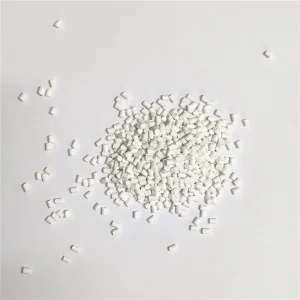
| High-Opacity White | Rutile TiO2 + LLDPE Base | 50% - 70% Titanium Dioxide | 15 - 45 g/10min | 280°C | Multilayer Blown Packaging Films, Milk Bags |
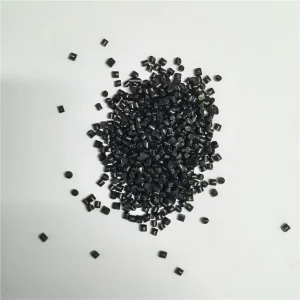
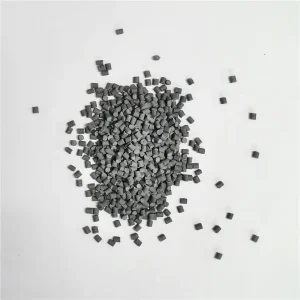
| Deep Black Masterbatch | High Jetness Carbon Black + LDPE | 30% - 50% Carbon Black | 5 - 25 g/10min | 260°C | Geomembranes, Agricultural Mulch, HDPE Pipes |
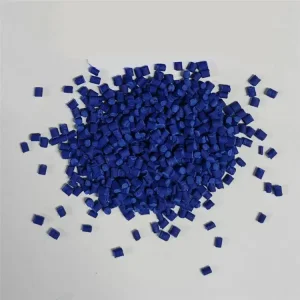
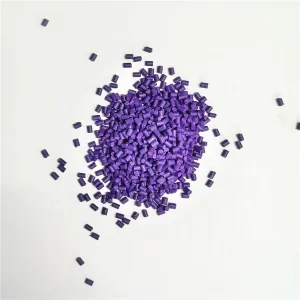
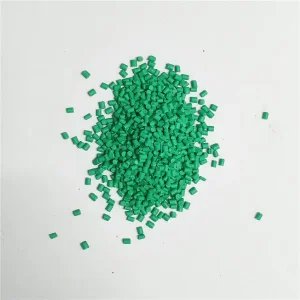
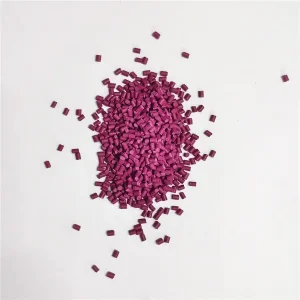
| Chroma Color Masterbatch | Organic Pigment + PE Wax + LDPE | 20% - 40% Colorant | 20 - 50 g/10min | 240°C - 260°C | Injection Molded Housewares, Toys, Caps |
| Metallic & Specialty Effect | Alloy PE / EVA Matrix | 15% - 30% Aluminum/Mica | 25 - 60 g/10min | 220°C - 240°C | Cosmetic Containers, High-End Automotive Trim |
The global masterbatch market is witnessing a fundamental shift toward sustainable, high-concentration concentrates. Driven by stringent environmental legislation in the European Union (such as REACH and PPWR guidelines) and North American FDA food-contact standards, masterbatch producers must offer non-toxic, heavy-metal-free, and low-VOC solutions.
China has solidified its position as the world's premier compounding hub for PE carrier masterbatches. This dominance stems from integrated polyolefin supply chains, state-of-the-art twin-screw extruder compounding technology, and continuous R&D into dispersing agents.
With the rise of Post-Consumer Recycled (PCR) plastics, virgin PE carrier masterbatches act as essential property modifiers. They restore color vibrancy and offset the yellowing index or graying inherent in recycled LLDPE/HDPE streams without causing phase separation.
Chinese manufacturers leverage ultra-high pigment loading techniques (up to 70% titanium dioxide or 50% organic pigment loads). High concentration allows end-use converters to achieve desired opacity and color intensity at lower let-down ratios (LDR of 1% to 3%), drastically reducing shipping costs and storage footprints.
Leading factories employ computer-controlled spectrophotometers (CIELAB system) to test every production batch. This guarantees color variance (ΔE) stays strictly below 0.5, assuring seamless color consistency across different production lots for global enterprise buyers.
Polyethylene carrier color masterbatches are deployed across diverse conversion processes. Understanding the specific thermal and mechanical strains of each process ensures optimal masterbatch selection:
Requirements: Zero pinholes, ultra-low Filter Pressure Value (FPV), excellent bubble stability, and non-migratory pigments.
In thin-gauge shopping bags, agricultural silage films, and liquid packaging, improper pigment dispersion causes immediate film tearing and bubble collapse. High-dispersion PE white and color masterbatches utilize low-viscosity LLDPE carriers that melt homogeneously at high extrusion line speeds.
Requirements: Low warpage, uniform shrinkage, high gloss, and short cycle times.
For automotive interior components, crates, crates, and consumer electronics housings, color masterbatches must not alter the crystallization kinetics of HDPE or PP matrices. Organic pigments are formulated with nucleation-neutral additives to eliminate dimensional distortion and warpage in molded parts.
Requirements: Exceptional UV weatherability, hydrostatic pressure resistance, and long-term chemical durability.
HDPE water pipes and gas conduits require highly dispersed black masterbatch containing fine particle size carbon black (20nm - 25nm). This provides chemical stabilization against thermo-oxidative aging and UV radiation over a 50-year operational lifespan.
Exporting plastic products to North America, Europe, Japan, and Australia requires strict adherence to environmental and food contact regulations. Reputable Chinese PE carrier color masterbatch manufacturers maintain continuous regulatory documentation to support global client compliance.
Formulated using heavy-metal-free organic pigments and virgin PE resins compliance certified under US FDA 21 CFR 177.1520 and European Commission Regulation EU No 10/2011 for direct food contact applications.
Fully compliant with RoHS 3 (Directive 2015/863/EU) and REACH SVHC candidate lists. Testing ensures complete absence of lead, cadmium, mercury, hexavalent chromium, PBBs, PBDEs, and harmful phthalate plasticizers.
State-of-the-art optical color laboratories provide custom color matching against Pantone, RAL, or physical target samples within 48 to 72 hours. Flexible export packaging (25kg moisture-proof PE bags or 1-ton Octabin jumbo bags) ensures safe global sea freight.
The masterbatch compounding industry is rapidly advancing to meet the sustainability goals of the circular economy. Key innovation vectors driving Chinese manufacturers include:
Deep dive into standard processing queries, carrier compatibility, and troubleshooting masterbatch integration in manufacturing.
PE (specifically LLDPE and LDPE) exhibits low melting temperatures, broad shear compatibility, and excellent phase ductility. When compounding into Polypropylene (PP) or other polyolefins at low Let-Down Ratios (1% - 3%), the minor PE phase disperses seamlessly without compromising the mechanical integrity or clarity of the matrix.
Standard Let-Down Ratios typically range between 1% and 4% depending on pigment concentration, part wall thickness, and desired opacity. High-concentration masterbatches allow converters to operate at lower LDRs (e.g., 1% to 1.5%), significantly optimizing production cost per unit.
FPV measures the degree of pigment dispersion and particle cleanliness in a masterbatch (expressed in bar/gram). An ultra-low FPV (< 0.2 bar/g) indicates complete dispersion without large agglomerates, preventing screen pack clogging, die buildup, and film blowing bubble tears during high-speed production.
Yes. High-tinting-strength PE masterbatches are specifically engineered to mask natural color variations in recycled resins. When blended with PCR HDPE or LLDPE feedstocks, the masterbatch revitalizes color intensity while antioxidants in the formulation help protect the recycled polymer during re-processing.
Streaking occurs when the Melt Flow Index (MFI) of the masterbatch carrier is significantly lower than that of the processing base resin, or when backpressure on the injection molding screw is too low. Using a higher MFI PE carrier masterbatch combined with slight increases in barrel temperature and backpressure resolves dispersion defects.
Standard PE color masterbatches offer heat resistance ranging between 220°C and 280°C (tested per EN 12877-2). High-temperature grades ensure zero color shifting or thermal degradation during prolonged dwell times inside hot runner injection systems or high-temperature film extruders.
Masterbatches should be stored in their original unopened moisture-proof packaging in a cool, dry, and well-ventilated warehouse away from direct sunlight and heat sources. When stored under proper conditions (temperatures below 35°C), the shelf life is typically 24 months.
Premium grade color concentrates engineered by professional Chinese manufacturers. Click on any product below to access detailed technical datasheets.