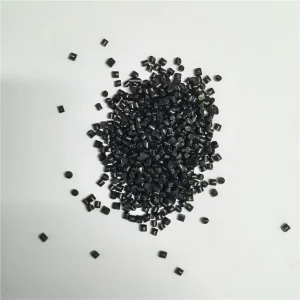
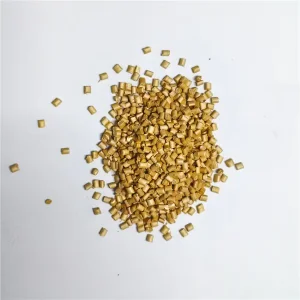
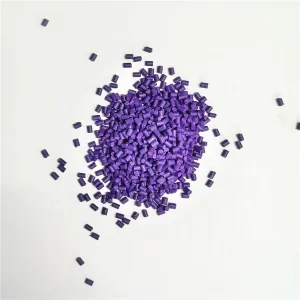
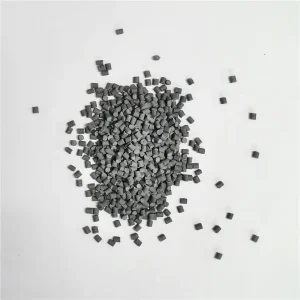
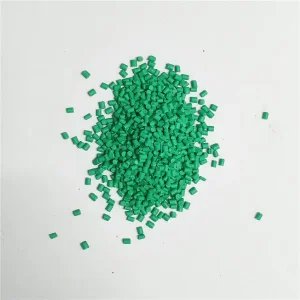
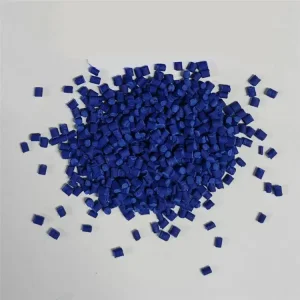
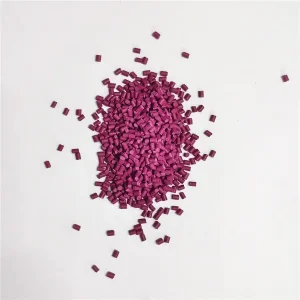
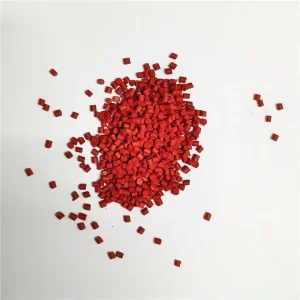
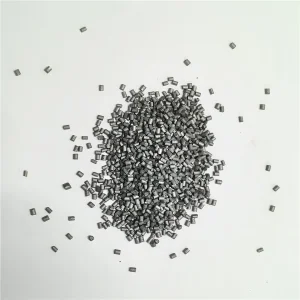
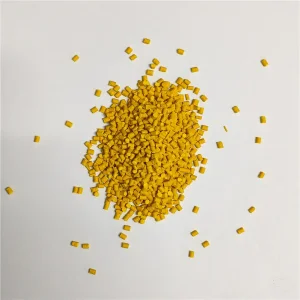
Precision-formulated color concentrates engineered for high-speed blown film, injection molding, and complex extrusion lines.
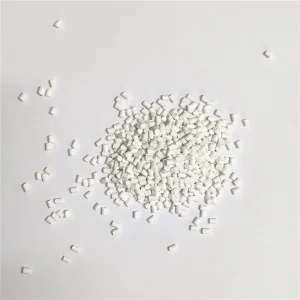
Understanding carrier resin compatibility, pigment dispersion physics, and melt flow kinetics in modern masterbatch production.
Polyethylene (PE) color concentrates—commonly referred to in the global plastics conversion sector as PE masterbatches—represent an essential technological node in modern polymer processing. At their chemical core, color concentrates consist of encapsulated inorganic or organic pigments, organic dyes, and functional additives dispersed homogeneously within a tailored virgin or engineered Polyethylene carrier matrix (LDPE, LLDPE, or HDPE). The fundamental purpose of these systems is to introduce high-density optical and functional properties into raw polymer resins during processing without disrupting downstream rheology or structural integrity.
Technical Benchmark: Premium Chinese masterbatch manufacturing relies on achieving a Filter Pressure Value (FPV) compliant with EN 13900-5 testing standards, maintaining pigment particle dispersion consistently below 2 microns to prevent mechanical shear weakness in thin-wall applications.
The manufacturing process demands deep thermodynamic balancing. When a masterbatch pellet melts within an injection molding barrel or a blown film extruder, the carrier polymer must achieve a Melt Flow Index (MFI) slightly higher than that of the base substrate resin. This differential ensures rapid shear-induced breakdown of the masterbatch granule, allowing micro-dispersed pigment agglomerates to distribute evenly throughout the molten polymer stream. If the carrier resin exhibits mismatched viscosity or thermal instability, processing defects such as color streaking, die buildup, filter clogging, pinholes, and reduced tensile strength inevitably occur.
How regulatory pressures, circular economy imperatives, and digital color matching are reshaping global masterbatch demand.
Traditional carbon black masterbatches absorb Near-Infrared (NIR) radiation, rendering plastic packaging invisible to automated optical sorting machines at recycling plants. The global market is rapidly shifting toward NIR-detectable organic black masterbatches, enabling circular PE packaging recovery without sacrificing deep jetness.
Global regulatory frameworks including EU REACH, FDA 21 CFR (for food contact), and RoHS 3 directives have effectively phased out lead chromates and cadmium-based pigments. Leading Chinese factories utilize high-purity organic pigment matrices (e.g., Phthalocyanines, Quinacridones) that maintain vibrant hues under strict non-toxic compliance standards.
Converter operational costs are tied directly to thermal efficiency. By boosting pigment loading densities (up to 70% Titanium Dioxide in White PE masterbatch, or 40% active organic pigment in chromatic masterbatch), global converters achieve identical color opacity with significantly lower masterbatch addition rates, reducing freight overhead and melting energy.
Why international plastic converters partner with advanced Chinese masterbatch manufacturing facilities for enterprise-grade supply stability.
The global masterbatch manufacturing landscape has undergone a dramatic structural evolution over the past decade. China has transformed from a high-volume low-cost producer into a global leader in high-precision polymer compounding, powered by massive integration across the petrochemical supply chain and advanced automation systems.
China's masterbatch industrial zones—particularly situated in major manufacturing hubs like Jiangsu, Zhejiang, and Guangdong—operate in direct physical proximity to world-class petrochemical complexes (such as Sinopec and PetroChina refinery hubs). This proximity guarantees an uninterrupted, cost-optimized supply of virgin base PE resins (LDPE, LLDPE, HDPE) spanning diverse Melt Flow Indexes (MFI from 0.2 to 50 g/10min). Coupled with immediate access to raw pigment synthesis bases, Chinese masterbatch factories maintain exceptional pricing stability and immunity against localized market supply shocks.
Modern Chinese masterbatch factories operate ultra-high torque co-rotating twin-screw extruders featuring length-to-diameter (L/D) ratios up to 48:1 or 52:1. Multi-component loss-in-weight gravimetric feeders precisely meter carrier resin, surface-treated pigment powders, processing aids (such as fluoropolymer PPA), and dispersion agents. This automated dosing architecture eliminates human error, guaranteeing batch-to-batch color variance of Delta E < 0.5 under spectrophotometric evaluation.
| Performance Indicator | PE Color Masterbatch | Raw Dry Powder Pigments | Liquid Color Systems |
|---|---|---|---|
| Color Dispersion Uniformity | Excellent (Pre-dispersed micro-particles) | Poor to Moderate (Prone to agglomeration) | Good (Requires complex liquid dosing pumps) |
| Dusting & Plant Hygiene | Zero Dust Hazard (Encapsulated pellets) | High Dust (Explosive hazard & respiratory risks) | Zero Dust (Risk of spill & messy cleanup) |
| Dosing Accuracy & Automation | High (Standard volumetric/gravimetric loaders) | Difficult (Electrostatic cling causing drift) | High (Demands liquid meter recalibration) |
| Machine Clean-Down Time | Fast (10 - 20 minutes transition) | Extremely Slow (Extensive hopper washdown) | Moderate (Specialized pump line flush required) |
| Storage & Shelf Stability | 24+ Months (Hermetically sealed bags) | Indefinite (High ambient moisture sensitivity) | 6 - 12 Months (Liquid carrier settling/phasing) |
Optimized masterbatch formulations tailored to specific processing technologies and extreme operational requirements.
Thin gauge agricultural mulch films, shopping bags, and multi-layer co-extrusion barrier films require masterbatches with high melt strength and zero filter pressure buildup. Chinese masterbatch formulations incorporate sub-micron TiO2 or organic pigments to ensure flawless opacity without inducing bubble instability or film tearing down to 8-micron thickness.
Industrial crates, logistics pallets, outdoor automotive parts, and home appliances rely on HDPE injection masterbatches with high thermal stability (up to 280°C processing temperature). Advanced additives prevent warpage and post-molding dimensional shrinkage while delivering superior lightfastness (Wool Scale 7-8).
Infrastructure water and gas mains manufactured from PE100 or PE80 resins demand black masterbatches formulated with 20-25% ultra-fine P-type Carbon Black (particle size < 20 nm). This ensures exceptional UV weathering defense and environmental stress crack resistance (ESCR) rated for 50-year buried lifespans.
Expert insights addressing common engineering, procurement, and quality control inquiries in PE color concentrate sourcing.
The optimal Let-Down Ratio (LDR) depends on the pigment concentration within the masterbatch, the wall thickness of the final molded part or film, and the desired optical density. Typical color masterbatches are dosed between 1% to 4% (1:100 to 1:25 ratio). For precise dosing, perform a spectrophotometer opacity sweep and verify mechanical shear conditions. High-concentration masterbatches allow lower LDRs, effectively reducing overall unit processing costs.
Pigment migration occurs when low-molecular-weight organic pigments or additives recrystallize and migrate to the plastic surface due to chemical incompatibility with the polyolefin substrate. This issue is eliminated by specifying high-molecular-weight organic or inorganic pigments rated with non-migration properties (Migration Resistance Grade 5 on the ISO gray scale) and ensuring carrier resins match the base PE polymer matrix.
Using a incompatible carrier resin (e.g., using a pure PP carrier in a low-temp LLDPE film process) causes phase separation, poor dispersion, surface delamination, and severe degradation of mechanical impact strength. Chinese factories provide custom carrier matrices—ranging from LDPE, LLDPE, and HDPE to specialized universal EVA carriers—ensuring seamless thermodynamic mixing without physical property loss.
The FPV test (standardized under EN 13900-5) measures the pressure buildup generated when a molten polymer-masterbatch mixture passes through a fine mesh screen pack (e.g., 14 micron). A low FPV value indicates superior pigment dispersion with no un-dispersed agglomerates. This guarantees that high-speed blown film lines will not experience pinholes, bubble breaks, or line stoppage during continuous production runs.
Leading Chinese masterbatch manufacturers typically complete laboratory spectrophotometer color matching (matching target Pantone, RAL, or physical color chips) within 3 to 5 business days, delivering physical color samples for approval. Production MOQs range from 500 kg for custom specialized colors to multi-ton container loads for standard industrial white, black, and primary color masterbatches, with sea freight delivery cycles spanning 15 to 30 days globally.
Explore our complete catalog of industrial color concentrates, engineered for maximum weatherability, vibrant hue retention, and strict eco-compliance.