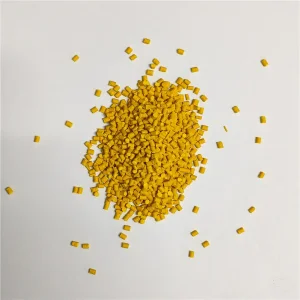
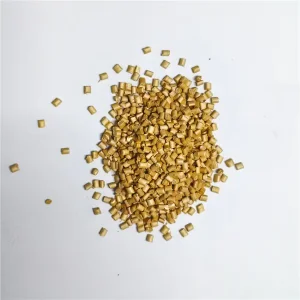
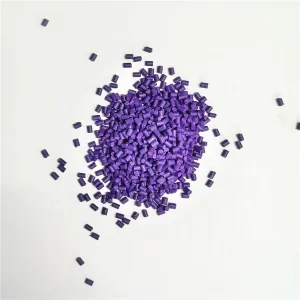
Engineered with high pigment loading, precision carrier matching (PE/PP), and advanced heat-stabilizer matrices for global plastic injection molding, blown film, and profile extrusion.
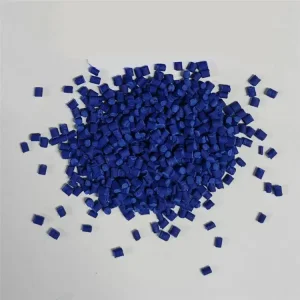
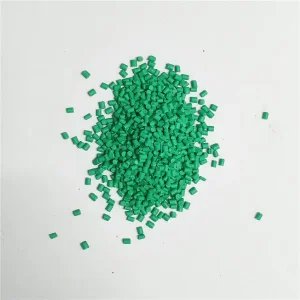
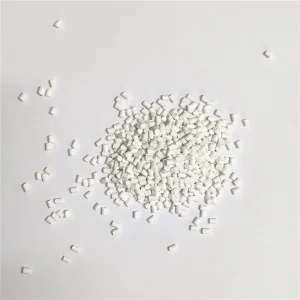
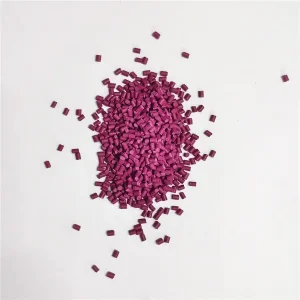
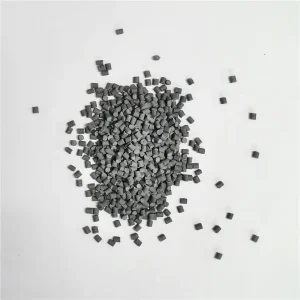
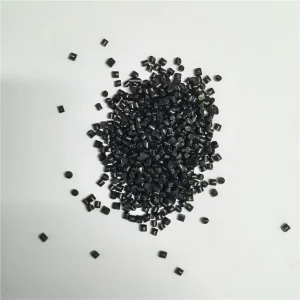
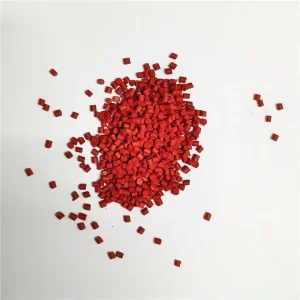
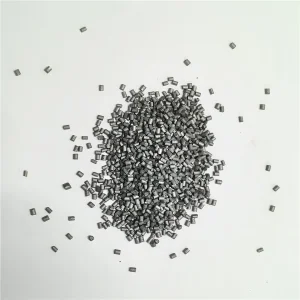
Understanding the shift in international plastic colorant procurement toward Chinese specialized PE filled color masterbatch manufacturers.
The global thermoplastic sector is undergoing a profound structural evolution. Procurement executives, polymer engineers, and factory managers are demanding higher color stability, lower unit costs, and enhanced processing performance. Polyethylene (PE) filled color masterbatch—combining high-purity inorganic fillers (such as micro-calcified CaCO3 or fine Talc) with organic/inorganic pigments in a customized resin matrix—serves as the primary engine driving cost reduction without compromising tensile strength or surface gloss.
China has established itself as the global hub for advanced masterbatch compounding. By integrating raw petrochemical resin synthesis, local pigment synthesis, and high-torque twin-screw extrusion technology, Chinese manufacturers offer global buyers an unmatched Levelized Cost of Coloration (LCOC).
When enterprise buyers evaluate masterbatch manufacturers in China, raw price per metric ton is only one part of the equation. Advanced buyers analyze the Total Cost of Ownership (TCO), factoring in:
An in-depth technical white paper on pigment wetting, surface modification of fillers, and thermal degradation resistance.
To prevent phase separation between non-polar Polyethylene (LLDPE/LDPE/HDPE) carriers and polar inorganic pigments or fillers, Chinese masterbatch compounding facilities utilize specialized titanate, aluminate, or stearic acid surface-coupling agents. This guarantees complete encapsulation of particles, lowering viscosity variance during high-shear injection or extrusion operations.
Matching the Melt Flow Rate (MFR) of the masterbatch carrier to the base polymer matrix is critical. A carrier with an MFR that is too low causes poor distribution; an MFR that is too high compromises structural integrity. Leading Chinese manufacturers utilize premium grade LLDPE (20–50 g/10min) as a universal carrier to ensure seamless integration into film, pipe, and molding grades.
Calcium Carbonate (CaCO3) and Talc powders are micronized down to 1250–2500 mesh (approx. 2–5 microns). Surface treatment via high-speed hot mixing with titanate or modified stearic acid replaces hydrophilic hydroxyl groups with lipophilic aliphatic chains, enabling high loading (up to 80%) while maintaining impact resistance.
Industrial extrusion temperatures frequently exceed 240°C–260°C. Formulations incorporate Hindered Amine Light Stabilizers (HALS) and primary/secondary phenolic antioxidants. This dual protection prevents chemical degradation, color shift (ΔE variation), and polymer chain scission during severe thermal processing.
| Performance Metric | Testing Standard | High Concentration Color Masterbatch | PE Filler Masterbatch (CaCO3) |
|---|---|---|---|
| Pigment / Filler Content | ISO 3451-1 (Ash Test) | 30% – 55% Active Pigment | 70% – 82% Ultra-fine CaCO3 |
| Melt Flow Index (MFI) | ASTM D1238 (190°C / 2.16kg) | 15 – 45 g/10 min | 2.0 – 18 g/10 min (Customizable) |
| Heat Resistance | DIN EN 12877 | 240°C – 280°C (Class 7-8) | 220°C – 260°C |
| Light Fastness (Blue Wool) | ISO 105-B02 | Grade 6 to 8 (Outdoor Grade) | N/A (Neutral) |
| Filter Pressure Value (FPV) | EN 13900-5 | < 0.8 bar/g (Fine Film Grade) | < 1.5 bar/g |
| Moisture Content | Karl Fischer Titration | < 0.15% | < 0.08% (Desiccant Enhanced) |
Tailored masterbatch formulations for agricultural, packaging, automotive, and infrastructure manufacturing.
For courier express bags, agricultural mulch films, shopping bags, and industrial stretch films. High-dispersion PE white, black, and color masterbatches eliminate pinholes, gel spots, and color haze. High filler loading options increase film stiffness, opacity, and dart drop strength while lowering virgin resin usage by up to 35%.
For automotive interior panels, industrial crates, home appliance housings, and toys. Formulations guarantee high dimensional stability, minimal warpage, zero migration, and non-bleeding performance under prolonged mechanical stress. Precision Pantone/RAL color matching ensures batch-to-batch consistency.
Used in HDPE municipal water pipes, PE-RT floor heating tubes, and agricultural drip irrigation systems. Our specialized black masterbatch utilizes P-type and N-type carbon black to provide high UV opacity (preventing water algae growth) and long-term hydrostatic strength (ISO 9080 compliance).
Ensuring international market access with strict chemical compliance and eco-friendly circular economy solutions.
As global environmental directives become stricter, Chinese tier-1 masterbatch factories adhere to international regulatory frameworks. All masterbatch formulations are thoroughly tested for heavy metals, phthalates, aromatic amines, and volatile organic compounds (VOCs):
The future of the masterbatch industry centers on sustainable formulation innovation. Forward-looking Chinese manufacturers are pioneering:
Expert answers to common engineering, procurement, and production queries regarding PE filled color masterbatch.
The addition ratio depends on the final application, pigment concentration, and required opacity or wall thickness. Typically:
• Blown Film (Thin Film 15–30 microns): 1.0% – 3.0% for color masterbatch; 5.0% – 20.0% for filler masterbatch.
• Injection Molding: 1.5% – 4.0% for color masterbatch.
• Extrusion Pipe & Profile: 2.0% – 5.0% for color/black masterbatch.
Always perform a trial run to optimize the let-down ratio (LDR) for your specific equipment.
When formulated with micronized, surface-treated CaCO3 (1250–2500 mesh), filler masterbatch improves dimensional stability, heat deflection temperature (HDT), tear resistance, and stiffness. It also accelerates cooling cycles, increasing processing throughput. However, excessive loading (>25–30% without impact modifiers) can reduce ultimate elongation at break and impact toughness.
Yes, LLDPE-based masterbatch is generally compatible with Polypropylene (PP) substrates due to the structural similarity of polyolefins. However, for high-transparency PP or thin-wall injection applications, a native PP carrier or universal polyolefin matrix is recommended to prevent phase separation and haze formation.
Tier-1 Chinese factories utilize automated gravimetric dosing systems during twin-screw compounding and verify masterbatch quality using spectrophotometers (CIE L*a*b* system under D65 standard illuminant). Batches are held within strict color tolerance limits (ΔE < 0.5 – 0.8) against master target samples.
PE masterbatches should be stored in original moisture-proof packaging in a cool, dry, ventilated location out of direct sunlight. Under standard storage conditions (<30°C and <60% RH), the shelf life is 12 to 24 months. Desiccant or filler masterbatches should be sealed tightly immediately after opening to prevent moisture absorption.
Select your target color spectrum and technical formulation for direct factory procurement and global logistics fulfillment.