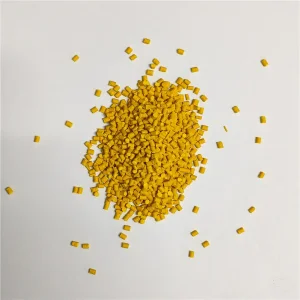
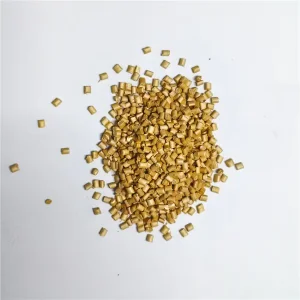
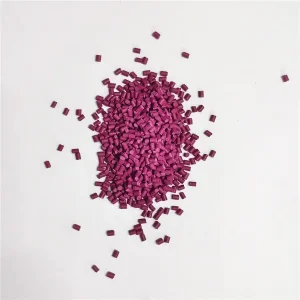
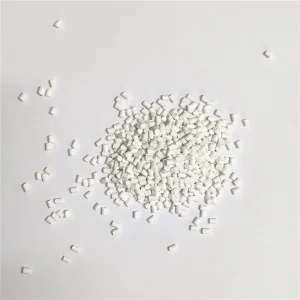
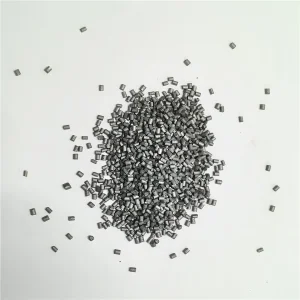
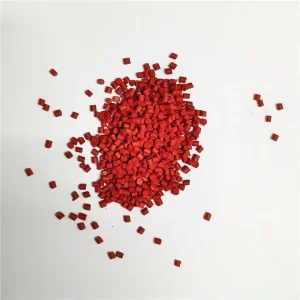
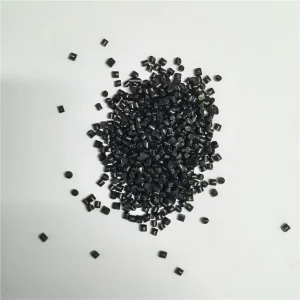
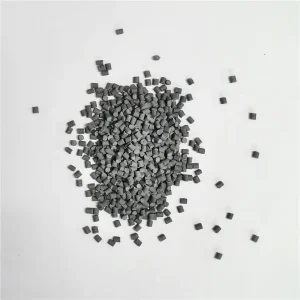
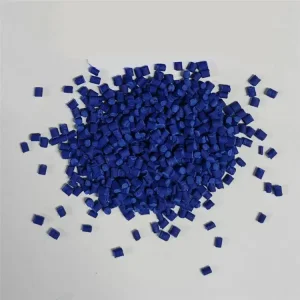
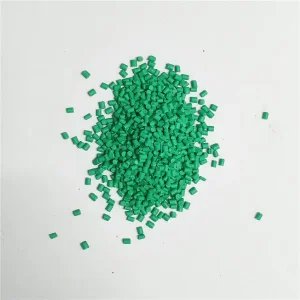
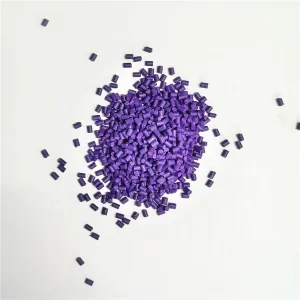
Direct from China's leading compounding facility. Engineered with high pigment loads, ultra-dispersive carrier matrices, and non-migratory heat-stabilized additives.
Analytical breakdown of global demand, polymer dynamics, and economic factors governing polyethylene container manufacturing.
The global household and commercial plasticware market is undergoing a structural transition toward high-durability, eco-compliant, and aesthetically refined products. At the center of this conversion is the manufacturing of Polyethylene (PE) plastic basins, washware, and heavy-duty industrial tubs. According to modern petrochemical industry indices, the worldwide demand for specialized color and additive masterbatch tailored for PE molded basin products is projected to expand at a compound annual growth rate (CAGR) of 6.8% through 2030.
China serves as the epicentre of global masterbatch production, housing advanced compounding facilities that supply over 45% of the world's functional masterbatches. The manufacturing of PE plastic basin masterbatch requires a sophisticated technical equilibrium: balancing high pigment concentration with low melt flow interference, ensuring zero pigment migration in food-grade or personal care environments, and delivering exceptional cost-efficiency to withstand competitive global procurement pressures.
This comprehensive technical whitepaper explores the critical operational parameters, compounding science, material selection, and localized applications driving top-tier Chinese masterbatch manufacturers in providing robust solutions to international injection molding enterprises.
Understanding carrier polymer selection, melt flow indices, pigment rheology, and warpage control in plastic basin injection molding.
Utilizing high-grade LLDPE or LDPE matrix carriers matching the exact Melt Flow Index (MFI) of the host basin resin (typically MFI 4 to 20 g/10min). Eliminates interfacial tension, preventing delamination and mechanical weakness.
Large flat-bottomed plastic basins are susceptible to post-molding warpage due to anisotropic crystallization induced by certain organic pigments (e.g., Phthalocyanine Blues). Our masterbatches incorporate nucleating and stress-relieving additives to ensure zero dimensional distortion.
Formulated with heavy-metal-free organic and inorganic pigments that withstand contact with boiling water, household detergents, and skin-contact applications without leeching or color blooming.
| Performance Parameter | Test Standard | Technical Specification Value | B2B Manufacturing Benefit |
|---|---|---|---|
| Carrier Resin Type | ISO 1183 | Virgin LDPE / LLDPE / Universal PE | Seamless blending into HDPE/PP basin compounds |
| Pigment Content (%) | ISO 3451-1 | 20% – 55% (Customized per Shade) | Lower let-down ratio (LDR 1% – 3%), reducing unit production costs |
| Melt Flow Index (MFI) | ASTM D1238 (190°C/2.16kg) | 8.0 – 25.0 g/10 min | Ensures high-speed, cavity-filling in multi-cavity injection molds |
| Thermal Stability | EN 12877-2 | 240°C – 280°C (Dwell time 5 mins) | Prevents pigment degradation and discoloration during processing |
| Light Fastness Rating | ISO 105-B02 | Class 6 – 8 (Blue Wool Scale) | Resists UV degradation and fading in outdoor exposure |
| Moisture Content | ASTM D6980 | < 0.15% (w/w) | Eliminates silver streaking, splay marks, and surface pinholes |
| Environmental Compliance | RoHS / REACH / FDA | Passes EU 10/2011 Food Contact & heavy metal tests | Safe for washbasins, food storage tubs, and infant basins |
Why leading global brands source PE basin colorants from specialized Chinese manufacturing clusters.
Modern Chinese compounding plants leverage high-speed co-rotating twin-screw extruders equipped with specialized screw elements (kneading blocks, reverse conveying, micro-shearing elements). This guarantees that agglomerated pigment particles are fully de-agglomerated down to sub-micron scales, unlocking maximum tinting strength and optical brilliancy.
Utilizing computer-assisted Datacolor spectrophotometers, China masterbatch factories match custom target shades (Pantone, RAL, or physical samples) with absolute precision. Strict batch-to-batch quality protocols maintain ΔE ≤ 0.3, ensuring that plastic basin batches produced months apart retain perfect color uniformity.
To optimize material costs for high-volume basin producers, factories formulate combined color and ultra-fine Calcium Carbonate (CaCO3) or Talc filler masterbatches. Treated with hydrophobic coupling agents, these masterbatches enhance stiffness and impact strength while dramatically lowering raw material expenses.
Tailored additive and color formulation packages engineered to address real-world injection molding defects.
Specifically formulated with premium Rutile Titanium Dioxide (TiO2) and optical brighteners. Eliminates translucency in thin-walled domestic washbasins, imparting a brilliant, premium porcelain-like finish.
Integrates inorganic silver-ion micro-technology. Inhibits 99.9% of bacterial growth (E. coli, S. aureus) on plastic basin surfaces—ideal for infant bath basins, medical washware, and kitchen food basins.
Incorporates internal migratory anti-static agents to prevent dust accumulation during warehouse storage, combined with fluoropolymer processing aids (PPA) to lower melt pressure and eliminate surface flow marks.
Matching regional market trends and environmental regulations across major global destination markets.
High demand for vibrant, saturated primary colors (bright reds, deep blues, canary yellows). Masterbatches require elevated heat stability (260°C+) to handle high ambient molding temperatures and rapid cycle times in tropical production facilities.
Strong preference for muted pastel tones, sleek metallics, and eco-sustainable aesthetics. Masterbatches must strictly adhere to REACH SVHC compliance, FDA food contact regulations, and Heavy Metal Free (EN 71-3) certifications.
Heavy emphasis on extreme UV resistance and heat stability for large agricultural and household storage tubs. Formulations incorporate Hindered Amine Light Stabilizers (HALS) to prevent outdoor degradation under intense sunlight.
Emerging innovations in circular economy integration, bio-based carriers, and digital color management.
As global regulations mandate higher PCR content in plastic basins, modern masterbatches integrate specialized reactive compatibilizers and odor-masking additives. This enables seamless blending of recycled PE flakes without sacrificing impact resistance or visual clarity.
Leading Chinese manufacturers are deploying sugarcane-derived bio-polyethylene carriers. Combined with energy-efficient extrusion lines, these masterbatches drastically diminish SCOPE 3 carbon emissions for global brand owners.
Direct answers from senior polymer chemists and masterbatch export specialists.
For standard PE basin injection molding, the recommended LDR typically ranges between 1.0% to 3.0% depending on the pigment concentration in the masterbatch and the wall thickness of the basin. High-concentration masterbatches allow injection molders to achieve full opacity and vibrant color saturation at lower dosing rates, yielding significant cost savings per unit.
Using an incompatible carrier (e.g., polystyrene or low-grade EVA in a Polyethylene matrix) drastically reduces the drop-impact strength and flexural modulus of the finished basin. Our masterbatches utilize premium LLDPE/LDPE carriers engineered to match the host resin's Melt Flow Index (MFI), preserving 100% of the polymer's structural integrity and impact resistance.
Yes. Surface streaking is often caused by poor pigment dispersion or moisture absorption. Our masterbatches undergo sub-micron twin-screw dispersion and vacuum degassing to maintain moisture below 0.15%. Additionally, anti-warping nucleation technology is incorporated to control anisotropic crystal growth during cooling.
Absolutely. All food-grade and hygienic masterbatch formulations strictly comply with FDA 21 CFR 177.1520, EU Regulation 10/2011, REACH, and RoHS directives. Pigments are free from heavy metals, aromatic amines, and toxic plasticizers.
Custom spectrophotometric color matching requires 3 to 5 business days upon receiving target samples or Pantone/RAL references. Once approved, mass production orders are typically dispatched within 10 to 15 days, shipped in moisture-proof 25kg aluminum-foil lined bags or ocean-ready totes.
Explore our full range of colorants and functional masterbatches for blown film, injection molding, and pipe extrusion.