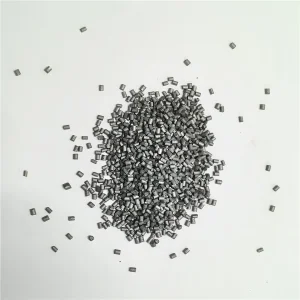
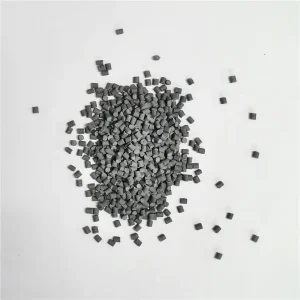
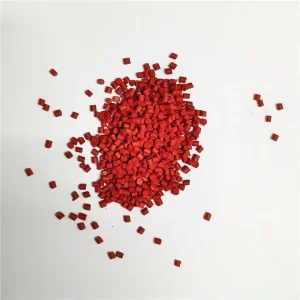
Engineered for optimal melt flow, thermal stability up to 260°C, and streak-free dispersion in blow molding & extrusion applications.
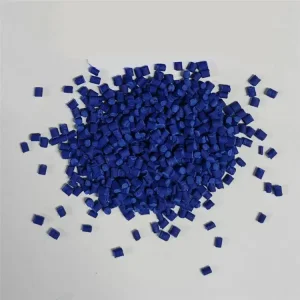
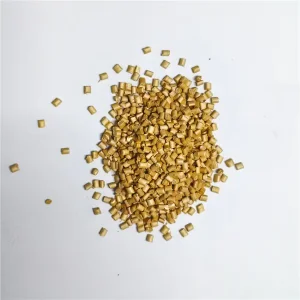
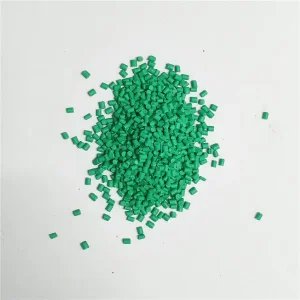
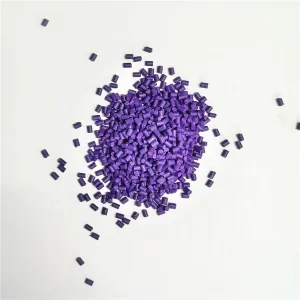
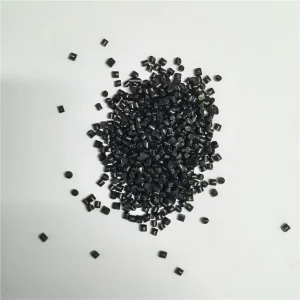
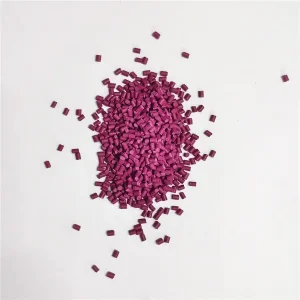
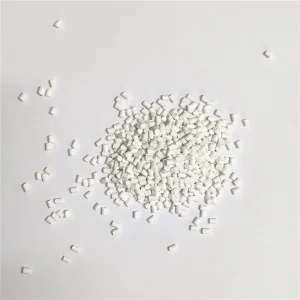
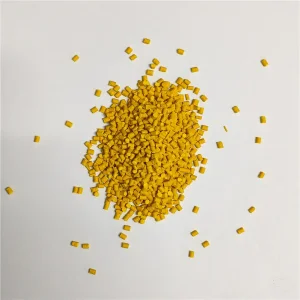
Analyzing supply chains, regulatory hurdles, and pigment loading efficiency in modern hollow blow molding.
The global polyethylene bottle manufacturing sector—spanning High-Density Polyethylene (HDPE), Low-Density Polyethylene (LDPE), and Linear Low-Density Polyethylene (LLDPE)—requires high-purity masterbatches. Brand owners demand strict color consistency (Delta E < 0.5), chemical resistance, and non-migratory pigment matrices for food, pharmaceutical, personal care, and industrial chemical containers.
Extrusion Blow Molding (EBM) and Injection Stretch Blow Molding (ISBM) impose severe shear forces and thermal stress. Improperly dispersed pigment agglomerates cause pinholes, parison sag, structural wall thinning, and optical streaking. High-concentration PE masterbatches solve these issues via advanced twin-screw co-rotating extrusion technology.
With global sustainability mandates expanding, bottle blow molders are blending up to 50–100% Post-Consumer Recycled (PCR) HDPE. Modern PE masterbatch formulations incorporate process stabilizers, anti-yellowing agents, and high-opacity Rutile TiO2 to neutralize batch-to-batch graying in recycled plastic streams.
In modern high-speed plastic container production, the colorant masterbatch is far more than a simple cosmetic additive—it is a functional micro-composite matrix engineered to interact seamlessly with base polyolefin resins. When sourcing from China PE plastic bottle masterbatch suppliers, international procurement managers and plastic conversion engineers must evaluate the rheological, chemical, and physical properties of masterbatch formulations to prevent production downtime, bottle structural weakness, and color drift.
To ensure zero reduction in Environmental Stress Crack Resistance (ESCR) for HDPE bottles, the carrier resin of the masterbatch must possess a melt flow index (MFI) that precisely matches or is slightly higher than the matrix polymer, typically between 4 to 20 g/10 min (at 190°C/2.16kg), utilizing virgin LDPE or LLDPE virgin carrier bases.
The core indicator of PE color masterbatch quality is its dispersion degree. Sub-optimal dispersion leaves microscopic pigment agglomerates (>5 microns), leading to:
Leading Chinese compounding facilities utilize high-torque continuous twin-screw extruders combined with specialized dispersion waxes (PE Waxes and Zinc Stearates) to ensure pigment particles are reduced to under 1 micron, delivering an FPV below 0.5 bar/g.
Plastic bottle molding often operates at extrusion melt temperatures ranging between 180°C and 260°C. Pigment chemistry must be non-reactive with liquid bottle contents (e.g., household detergents, bleach, essential oils, or acidic food products). Modern standard specifications require:
| Technical Parameter | Standard PE Masterbatch Spec | Premium Bottle-Grade Masterbatch | Industrial Impact / Performance Benefit |
|---|---|---|---|
| Pigment Loading Rate | 20% - 35% | 40% - 70% | Lower Let-Down Ratio (LDR 1-2%), reducing unit packaging cost. |
| Heat Fastness (°C) | 200°C - 220°C | 240°C - 260°C+ | Prevents color shifting or thermal degradation during long cycle times. |
| Lightfastness (Blue Wool) | Scale 4 - 5 | Scale 7 - 8 | Resists outdoor fading for agrochemical and outdoor-stored containers. |
| Heavy Metals (RoHS/REACH) | Trace Compliant | 100% Lead/Cadmium Free | Meets strict EU/FDA regulatory standards for food contact & medical use. |
| Migration Resistance | Level 3 - 4 | Level 5 (Non-Bleeding) | Eliminates dye leaching into bottled milk, juices, or personal cosmetics. |
Bottled dairy products, pharmaceuticals, and agricultural chemicals are susceptible to degradation via ultraviolet (UV) light within the 290nm–400nm spectrum. High-opacity PE White Masterbatch utilizing coated Rutile Titanium Dioxide (TiO2) and PE Black Masterbatch formulated with high-jetness Carbon Black (particle size 18nm–25nm) provide superior light blocking. This extends shelf-life without requiring secondary outer packaging.
Integrating raw material supply chains, rapid custom matching, and high-throughput compounding scale.
Chinese masterbatch leaders are situated near primary petrochemical refining clusters (such as Sinopec and PetroChina supply networks). Direct access to virgin LDPE/LLDPE polyolefin carriers and domestic titanium dioxide suppliers reduces raw material procurement costs by 15%–25% compared to Western compounders.
Equipped with Datacolor spectrophotometers and benchtop rheometers, top Chinese suppliers maintain strict laboratory testing. Every batch undergoes spectrophotometer color matching (CIE L*a*b* values), moisture content analysis (<0.1%), and MFI verification before international dispatch.
Speed-to-market is crucial for consumer brands. Chinese factories offer rapid custom color matching against Pantone, RAL, or physical plastic bottle targets within 48 to 72 hours, with full-scale production orders fulfilled in 7 to 12 working days.
Tailored masterbatch formulation strategies for specialized plastic bottle end-markets.
HDPE pill bottles and liquid syrup containers require non-migratory, low-odor, food-grade PE White masterbatch meeting US FDA 21 CFR and EU No 10/2011 standards. Zero heavy metals ensure formula purity.
High-gloss, metallic gold, pearlescent silver, and pastel shades for shampoo, lotion, and cosmetic squeeze bottles. Formulated to eliminate flow lines and weld lines during multi-cavity injection molding.
Multi-layer co-extrusion agrochemical containers demand high chemical resistance and maximum UV opacity to prevent active ingredient breakdown caused by sunlight exposure during field storage.
High-titanium white masterbatches offering up to 99.5% light opacity at minimal let-down ratios. Protects riboflavin and vitamin content in fresh milk from photo-oxidation.
Innovations driving next-generation polyolefin colorant systems and smart packaging manufacturing.
Traditional carbon black absorbs Near-Infrared (NIR) light, making black HDPE bottles invisible to automated recycling sorting systems. Modern NIR-detectable black masterbatches utilize specialty organic pigments, enabling 100% sortability at recycling facilities.
Transitioning from fossil-fuel derived LDPE to sugarcane-based bio-PE carrier resins. Reduces the net carbon footprint of masterbatches by up to 40% while preserving identical processing dynamics and MFI behavior in standard blow molding machines.
Combining color masterbatches with nano-clay or organosilicone oxygen scavengers. Single-step dosing yields colored bottles with enhanced gas barrier properties, extending shelf life for carbonated or light-sensitive liquids.
Expert technical insights for plastic processors, bottle blow molders, and procurement buyers.
Premium colorants and functional masterbatches ready for worldwide export.