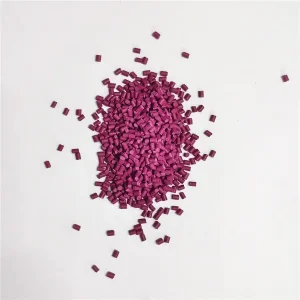
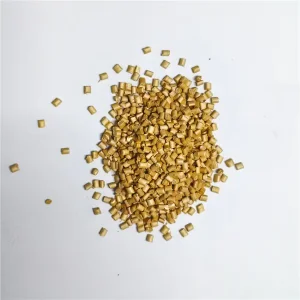
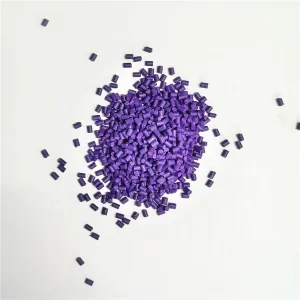
Engineered for extreme dispersion, high dielectric stability, and thermal endurance in blown film, injection molding, and conduit extrusion.
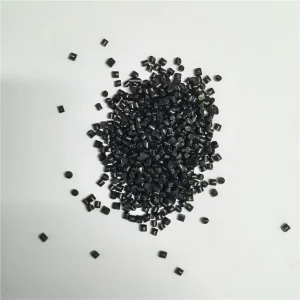
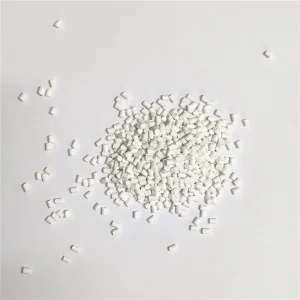
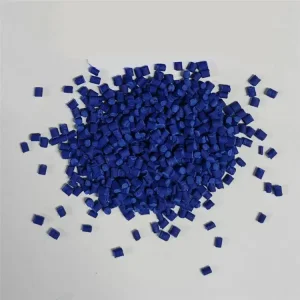
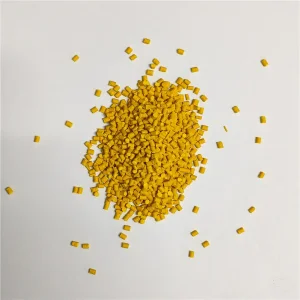
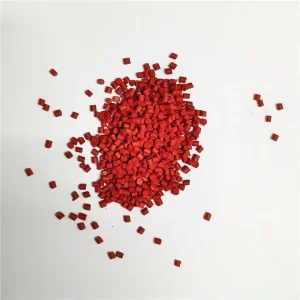
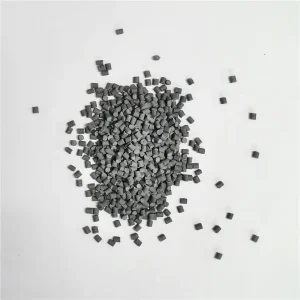
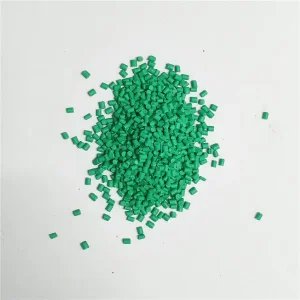
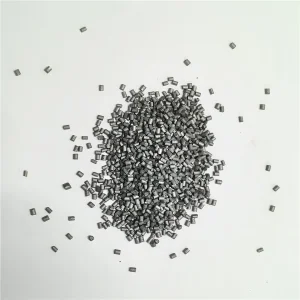
In modern civil engineering, telecommunications, and high-voltage power distribution, the technical demands placed on Polyethylene (PE) Wire Conduit Systems have evolved far beyond basic mechanical containment. As municipal networks transit toward 5G fiber-optic microducts, underground high-voltage grid lines, and halogen-free structural conduits, the role of specialized polymer masterbatch formulations has become paramount.
This technical whitepaper, produced by senior compounding engineers and SEO growth strategists at Changzhou Jiazhou Plastic Products Co., Ltd. (16+ years of specialized masterbatch manufacturing expertise), examines the chemical composition, thermal dynamics, pigment dispersion mechanisms, and international regulatory frameworks governing PE wire conduit masterbatch sourcing from top China suppliers.
Integrating high-dispersion P-type carbon black and organic pigments into LLDPE/HDPE matrix carriers improves tensile yield strength by up to 14% and guarantees oxidative induction times (OIT) exceeding 50 minutes at 200°C.
Key technology shifts driving procurement requirements across North America, Europe, Asia-Pacific, and emerging infrastructure markets.
With global fiber-to-the-home (FTTH) and 5G network expansion, telecommunication conduits require micro-extrusion tubes with precise, non-bleeding color identification (Blue, Yellow, Green, Red, Violet, Rose). PE masterbatches must maintain strict color fastness and zero migration under thermal stress.
Strict urban safety standards demand non-toxic, low-smoke, halogen-free additives integrated directly into color masterbatch formulations. Modern suppliers must combine pigment loads with phosphorus-nitrogen synergistic flame retardants to pass IEC 60332 test standards.
Global conduit buyers are increasing Post-Consumer Recycled (PCR) PE resin content to meet sustainability quotas. Modern masterbatch formulations must feature hyper-dispersant additives that act as compatibilizers for recycled resin blends, smoothing out melt-flow fluctuations.
Comprehensive performance parameters for selection of masterbatches tailored to HDPE, LLDPE, and LDPE conduit pipe extrusion.
| Masterbatch Grade | Primary Carrier Resin | Active Concentrate % | Heat Stability (°C) | Light Fastness (Blue Wool Scale) | Target Application |
|---|---|---|---|---|---|
| PE Black MB-9040 | HDPE (MFI 2.0) | 50% Carbon Black (20nm) | 280°C | Grade 8 (Extreme UV) | Underground High-Voltage Conduits |
| PE White MB-1020 | LLDPE / Universal | 70% Rutile TiO2 | 260°C | Grade 7-8 | Indoor Electrical Smooth Conduits |
| PE Blue MB-5012 | LDPE / PE-100 | 40% Phthalo Pigment | 260°C | Grade 7 | Telecom Fiber Microduct Bundles |
| PE Yellow/Red MB Series | LLDPE Carrier | 35% High-Tint Pigments | 260°C | Grade 6-7 | Gas & Electrical Hazard Conduits |
| PE Functional Flame-Retardant | PE/EVA Carrier | 65% HFFR Synergist | 240°C | Grade 7 | UL94 V-0 Rated Flexible Corrugated Conduit |
A rigorous audit framework for international OEMs, resin compounders, and pipeline manufacturers seeking stable supply chains in China.
A critical failure point in high-speed conduit extrusion is Melt Flow Index (MFI) mismatch. Superior China suppliers configure masterbatch carrier resins to closely match the host polymer (e.g., HDPE PE-80 or PE-100), eliminating melt fracture, phase separation, and surface roughness on the conduit's interior wall.
Poorly dispersed pigment agglomerates act as stress concentrators, causing conduit cracking under structural loads. Advanced compounding lines in Changzhou Jiazhou utilize continuous twin-screw extruders with high-shear mixing zones to achieve FPV < 0.5 bar/g, ensuring silky smooth wall surfaces.
Selecting high-concentration masterbatch formulations allows lower let-down ratios (LDR of 1.5% to 3.0% vs traditional 4-5%). This drastically reduces shipping weight, storage footprint, and raw material costs per metric ton of extruded PE conduit pipe.
Global buyers must verify batch-to-batch compliance certificates. Leading Chinese suppliers provide comprehensive laboratory documentation for heavy metal limits (RoHS 2.0), REACH SVHC identification, and ISO9001/ISO14001 factory management protocols.
From subterranean high-voltage power conduits to municipal architectural wiring networks.
Extruded HDPE conduit pipes buried in harsh soil environments require PE Black Masterbatch with sub-micron carbon black loading. This prevents environmental stress cracking (ESCR) and shields buried electrical lines from UV degradation during prolonged jobsite exposure.
Flexible PE conduits used in structural building wiring demand masterbatches that preserve high melt strength and flexibility without inducing brittleness during rapid cooling in corrugated mold blocks.
Brightly colored PE masterbatches (Rose Red, Gold, Green, Blue, Purple) formulated with inorganic and high-fastness organic pigments provide distinct identification codes across telecommunication networks.
As polymer science advances, the performance demands on wire conduit systems will intensify. Research and development teams at top-tier Chinese masterbatch facilities are pioneering several next-generation compounding technologies:
With 16+ years of specialized experience in PE, PP, and functional filler masterbatch production, Changzhou Jiazhou Plastic Products Co., Ltd. delivers custom color matching and technical formulation for global clients.
Expert answers on PE wire conduit masterbatch selection, processing parameters, and quality assurance.
For HDPE conduit extrusion, a carrier resin with an MFI matching or slightly higher than the base pipe resin (typically between 0.5 to 4.0 g/10min at 190°C/2.16kg) is recommended. This prevents viscosity disparities during high-speed extrusion lines.
Dielectric breakdown voltage is critical for high-voltage power cable conduits. Non-conductive furnace carbon black or high-purity inorganic pigments must be used. Moisture content in masterbatch should be kept under 0.05% to prevent dielectric degradation.
P-type carbon black with particle sizes between 15nm and 25nm provides optimal UV absorption. A final carbon black concentration of 2.0% to 2.5% in the extruded pipe guarantees outdoor weathering lifetimes exceeding 30 years.
Yes. Using advanced spectrophotometer laboratory equipment, custom color matching to precise RAL/Pantone standards or physical customer samples can be completed within 3 to 5 working days, accompanied by full lab test certificates.
Jiazhou high-concentration PE masterbatches feature elevated thermal stability up to 260°C - 300°C without shade shifting, discoloration, or thermal degradation during long extrusion runs.
When stored in dry, cool conditions away from direct sunlight, sealed PE masterbatch bags maintain stable physical properties for up to 24 months. Pre-drying at 80°C for 2 hours is recommended if stored in high-humidity areas.
Factory-direct pricing, custom formulations, and global ISO-certified manufacturing excellence.