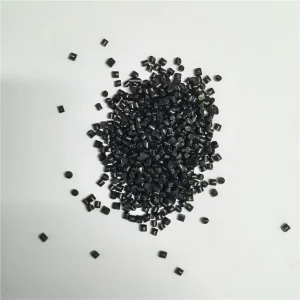
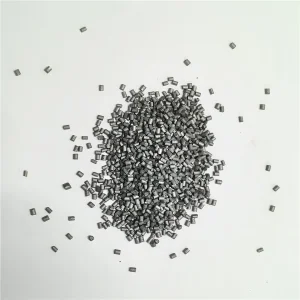
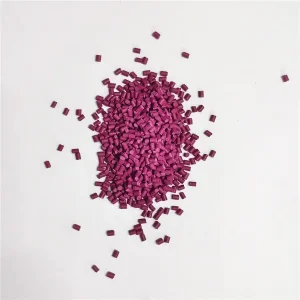
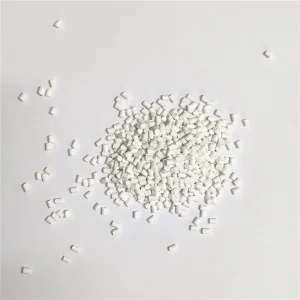
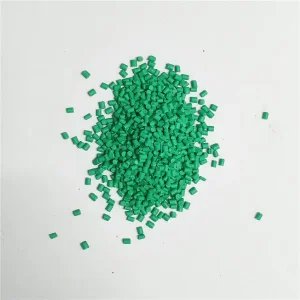
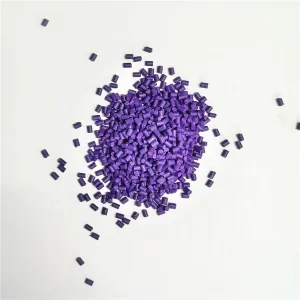
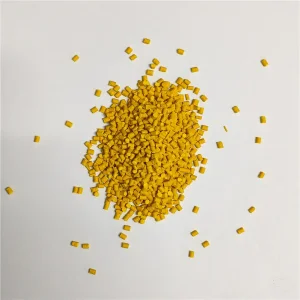
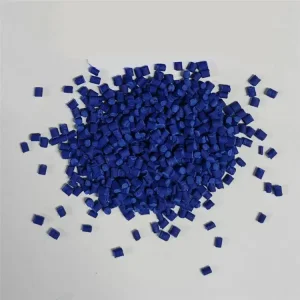
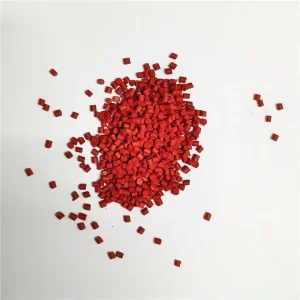
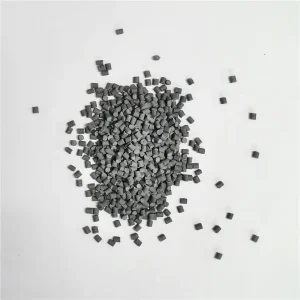
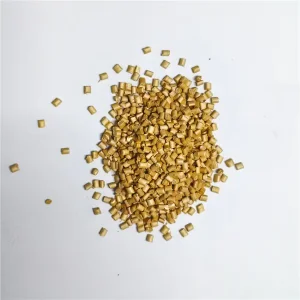
Formulated for extreme thermal stability (260°C), superior pigment loading, and optical perfection across extrusion, blown film, and injection processes.
In the contemporary global plastics manufacturing ecosystem, the demand for precision-engineered pigment pellets (universally designated as color masterbatches) has evolved from simple aesthetic coloring to highly sophisticated chemical functionalization. As global original equipment manufacturers (OEMs), compounding facilities, and packaging converters scale their operational footprint, sourcing high-concentration pigment pellets from certified China suppliers has become a cornerstone strategy for operational efficiency, cost optimization, and technical reliability.
China's masterbatch manufacturing sector—spearheaded by advanced industrial enterprises such as Changzhou Jiazhou Plastic Products Co., Ltd.—represents a synthesis of technological maturation, extensive raw material access, and rigorous quality assurance protocols. Operating from a modern 6,000 square-meter production facility in Changzhou, Jiangsu Province, Jiazhou Plastic Products has demonstrated 16 years of continuous innovation in polymer coloring, carrier matching, and filler masterbatch compounding, servicing over 100 international market destinations.
Global procurement teams evaluating pigment pellet manufacturers must balance direct raw material costs against total cost of ownership (TCO). The economics of plastic coloring rely heavily on three primary variables: pigment concentration, carrier resin rheology (Melt Flow Index alignment), and thermal/chemical stability under high shear strain.
High-density pigment dispersion minimizes the required dosage (LDR 1%-3%), lowering per-ton processing costs while preventing polymer mechanical strength degradation during blown film or injection processes.
Custom-formulated Polyethylene (PE) and Polypropylene (PP) carrier resins ensure complete melt homogeneity without causing screw slippage, filter pack clogging, or surface bloom in extruded products.
Advanced organic and inorganic pigment selection prevents pigment migration or bleeding in flexible packaging, food-contact containers, and outdoor agricultural barrier films.
Industrial buyers across agricultural film manufacturing, automotive component molding, flexible packaging converting, and construction pipe extrusion require pigment pellets that comply strictly with international environmental frameworks such as EU RoHS, REACH, and FDA food-contact standards. Supplier auditing focuses heavily on batch-to-batch color consistency, evaluated using Delta E (ΔE) colorimetric tolerances under CIE L*a*b* space, with industry-leading suppliers guaranteeing ΔE < 0.5 across production lots.
The manufacturing of high-performance pigment pellets relies on precise polymer compounding physics. Raw organic or inorganic pigments in their primary particle state (often ranging from 10 to 100 nanometers) exhibit strong agglomeration tendencies due to van der Waals forces. The compounding process must break down these agglomerates into micro-scale dispersions (< 2 microns) and encapsulate them within a protective carrier polymer matrix.
The carrier resin serves as the vehicle that transfers the pigment into the host resin during extrusion or injection molding. For optimal processing, the Melt Flow Index (MFI) of the masterbatch carrier resin must be slightly higher than that of the target polymer to ensure rapid wetting and uniform distribution without creating phase separation or localized mechanical weaknesses.
During high-speed plastics extrusion and injection molding, processing temperatures frequently reach 220°C to 260°C. Lower-grade pigments undergo thermal degradation, resulting in color shifting, gas emission (causing voids and pinholes in films), and loss of mechanical ductility. Premium masterbatch formulations incorporate hindered amine light stabilizers (HALS), primary antioxidant compounds (phenolic based), and phosphite secondary antioxidants to mitigate thermal-oxidative degradation.
The global masterbatch industry is undergoing a structural transition driven by sustainability imperatives, circular economy regulations, and smart manufacturing technologies. Key developments shaping the next decade include:
Traditional carbon black absorbs Near-Infrared (NIR) radiation, rendering black plastics undetectable in automated recycling sorting facilities. Future-ready pigment pellets utilize NIR-detectable black colorants to enable circular recycling of post-consumer packaging.
Transitioning from fossil-derived PE/PP carriers toward PLA, PHA, and bio-PE carriers to support fully compostable and bio-based resin compounds without sacrificing color concentration or melt flow.
Advancements in underwater pelletizing produce micro-pellets (sizes < 1.0mm), allowing ultra-precise dosing in micro-injection molding and thin-gauge fiber extrusion systems.
China's dominance in the global pigment pellet supply chain is rooted in complete upstream-to-downstream industrial integration. Located in Zouqu Town, Zhonglou District, Changzhou, Jiangsu, Changzhou Jiazhou Plastic Products Co., Ltd. exemplifies the competitive advantages of Chinese technical masterbatch production.
With an operational history spanning 16 years, Jiazhou Plastic Products operates state-of-the-art co-rotating twin-screw extruders integrated with gravimetric feeder systems, high-shear intensive mixers, and automated underwater pelletizing lines. This modern infrastructure enables continuous production of custom color masterbatches, filler masterbatches (CaCO3 / Na2SO4 based), and functional additive masterbatches.
Equipped with advanced optical color matching systems, computerized colorimeters, and melt flow indexers, allowing custom color replication (Pantone, RAL, or customer targets) within 3 to 5 business days.
Proprietary surface modification techniques for fine Calcium Carbonate (CaCO3) powder enable up to 80% filler loading in filler masterbatches, offering maximum cost reduction while maintaining high tensile strength and impact resistance in downstream products.
Proximity to major shipping ports (Shanghai and Ningbo) facilitates rapid container loading, streamlined export compliance, and dependable lead times (typically 10-15 days from order confirmation to vessel shipment).
Navigating international regulatory frameworks is essential for international buyers sourcing plastic additives. Qualified Chinese pigment pellet manufacturers enforce comprehensive Quality Assurance (QA) and Quality Control (QC) frameworks to guarantee safety and compliance across food packaging, toys, medical devices, and industrial products.
Explore specialized functional colorants engineered for custom blown film, pipe extrusion, and injection molding projects.
Technical and commercial clarity for global polymer processors and procurement managers.