A White-Paper Sourcing Guide to Polyethylene Carrier Dynamics, Pigment Dispersion Kinetics, Rheological Optimization, and OEM Global Supply Engineering.
Engineered with micro-dispersed pigment loads, precision MFI matching, and high thermal resistance up to 260°C for blown film, injection molding, and pipe extrusion.
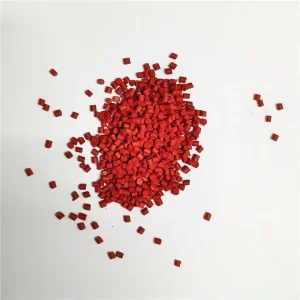
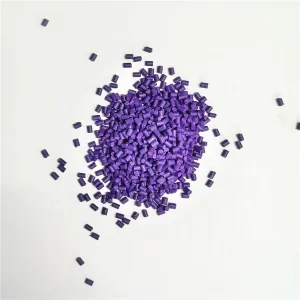
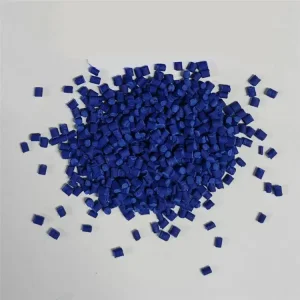
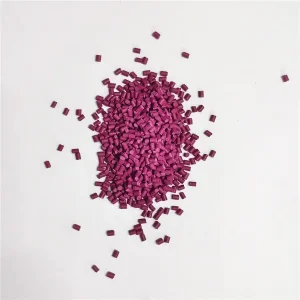
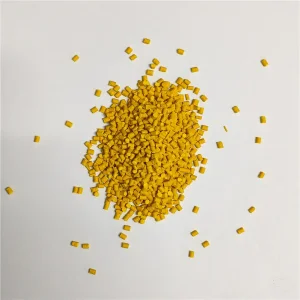
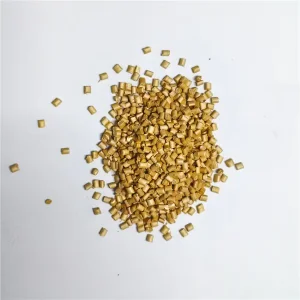
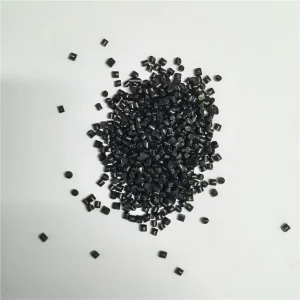
An executive overview of carrier resin chemistry, pigment dispersion kinetics, and global supply chain integration from China's top compounding centers.
The global polyethylene (PE) masterbatch market is undergoing a structural transition driven by high demand in flexible packaging, agricultural mulch films, pressure pipe systems, and consumer goods. China accounts for over 45% of global output due to integrated petro-chemical parks in Jiangsu, Zhejiang, and Shandong.
Formulating with Linear Low-Density Polyethylene (LLDPE) or Low-Density Polyethylene (LDPE) matrix carriers ensures optimal melt flow index (MFI) matching. Proper rheological alignment prevents melt fracture, phase separation, and pinholes during ultra-thin blown film processing.
Modern global procurement mandates strict compliance with EU RoHS 2.0, REACH SVHC, FDA food-contact standards, and heavy-metal limits (EN71-3). Leading Chinese suppliers utilize non-toxic, anti-migrative organic and inorganic pigments to ensure zero environmental leaching.
Understanding the micro-dispersion kinetics of pigments within polyolefin matrices is essential for preventing color streaks, agglomeration, and tensile degradation in plastic products.
| Masterbatch Grade | Pigment Content (%) | Carrier Resin Type | MFI (190°C/2.16kg) | Heat Resistance | Primary Industrial Applications |
|---|---|---|---|---|---|
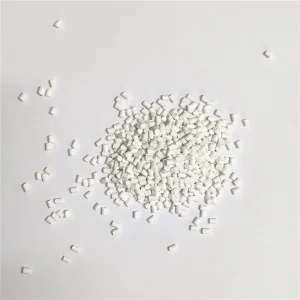
| PE White Masterbatch | 50% - 70% Rutile TiO₂ | LLDPE / LDPE Matrix | 12 - 25 g/10min | 280°C | High-opacity blown films, milk pouches, laminated films, extrusion coating. |
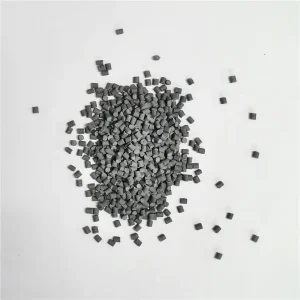
| PE Black Masterbatch | 30% - 50% Carbon Black (N330/N550) | HDPE / LLDPE Matrix | 8 - 20 g/10min | 260°C - 300°C | Pressure pipes (PE100), drip irrigation tape, geomembranes, cable jacketing. |
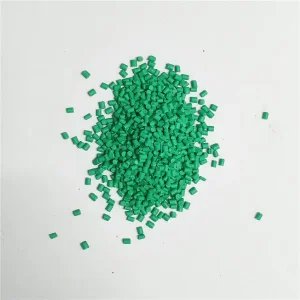
| PE Color Masterbatch | 20% - 40% Organic Pigments | Universal PE / PP | 15 - 30 g/10min | 240°C - 260°C | Injection molded crates, blow-molded bottles, toys, household containers. |
| PE Additive Masterbatch | 10% - 30% Active Agents (UV/AO/AM) | Low-Density Polyethylene | 10 - 18 g/10min | 230°C - 250°C | Agricultural greenhouse films, anti-static electronics packaging, outdoor caps. |
Information Gain Analysis: The efficiency of a PE masterbatch is directly correlated to the twin-screw extrusion shear profile during compound creation. Premium manufacturers in Changzhou, China employ high-torque co-rotating twin-screw extruders featuring L/D ratios of 44:1 to 48:1. This ensures complete wetting and de-agglomeration of primary pigment particles below 1 micron, preventing filter screen clogging during downstream extrusion (Filter Pressure Value test DIN EN 13900-5 < 1.5 bar/g).
A structured framework for B2B procurement managers to evaluate technical capabilities, quality management systems, and OEM batch consistency.
Leading manufacturers like Changzhou Jiazhou Plastic Products utilize Datacolor spectrophotometers in the CIELAB color space ($L^*, a^*, b^*$) to achieve Delta E (ΔE) values under 0.5. Requesting batch-to-batch spectrophotometer certificates guarantees shade consistency over high-tonnage contract manufacturing.
Verifying the oxidation induction time (OIT) via DSC testing confirms the heat stabilizer degradation threshold of masterbatches exposed to temperatures exceeding 250°C. This is critical for thermal stability during high-speed extrusion lines operating continuously.
Custom-formulated masterbatches tailored to specific plastic conversion processes and industrial machinery requirements.
Mulch film, courier bags, shopping packaging. Requires high MFI LLDPE carrier, non-agglomerated pigment dispersion down to nano-scale, and zero pinhole formation.
Crates, pallets, automotive parts, bottle closures. Demands low warpage, high thermal resistance (up to 260°C), and fast cycle times without pigment migration.
HDPE gas pipes, PE100 water conduits, corrugated ducting. Requires high carbon black dispersion (P-type rating) with UV protection against outdoor weathering.
Agrochemical bottles, cosmetic containers, detergent drums. Requires chemical inertness, zero leaching, and uniform wall opacity across complex geometries.
Low-voltage power cable jacketing, telecom fiber ducts. Demands high dielectric strength, moisture resistance, and anti-oxidant heat stability.
How pioneering Chinese compounding plants are integrating AI color matching, NIR sorting technology, and bio-based carriers for circular plastic economies.
Standard carbon black absorbs Near-Infrared (NIR) light, making black plastics invisible to automated recycling sorters. Next-generation NIR-detectable black masterbatches utilize specialty pigments that allow accurate reflection and automated polymer identification in MRF facilities.
To reduce global carbon footprints, masterbatch carriers are evolving from virgin fossil-fuel PE to Post-Consumer Recycled (PCR-PE) resin and sugarcane-derived Bio-PE, maintaining mechanical integrity while helping brands achieve Scope 3 ESG goals.
Automated spectrophotometry linked to AI predictive compounding engines allows Chinese manufacturers to calculate precise pigment ratios in real-time, reducing color development lead times from 10 days to under 24 hours with exact metamerism control.
Expert answers addressing melt flow compatibility, dosing ratios, migration resistance, and custom color development for global buyers.
Select a product to view technical datasheets, MFI specifications, color index numbers, and request factory-direct quotations.