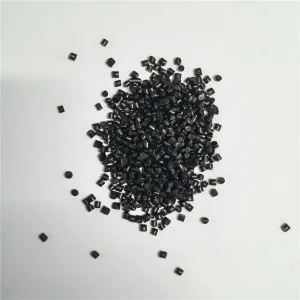
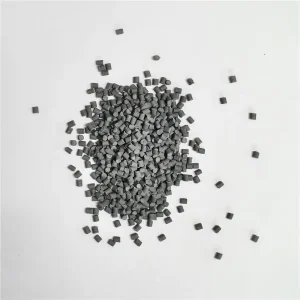
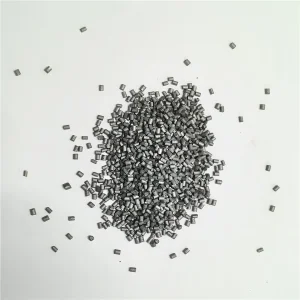
High-load polymer colorants engineered for extreme thermal stabilization, uniform chromatic density, and rapid cycle processing in automated mass manufacturing.
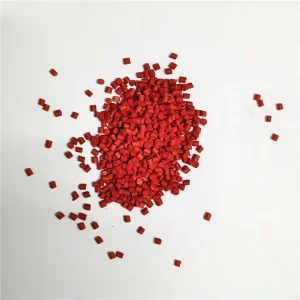
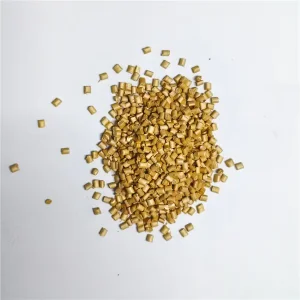
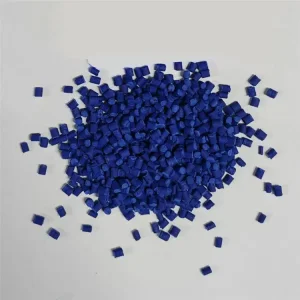
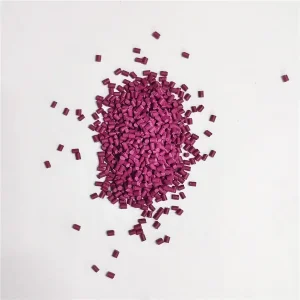
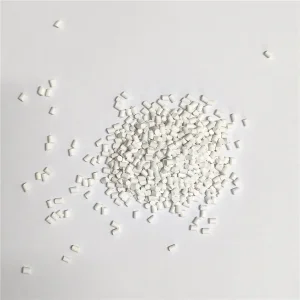
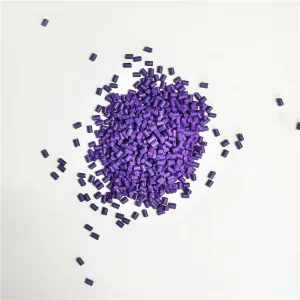
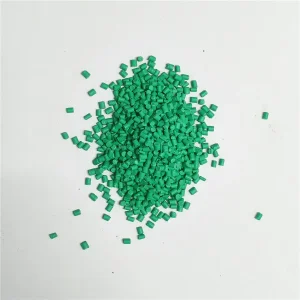
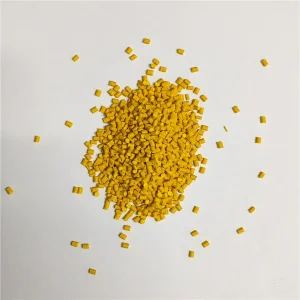
The international supply chain for custom technical products and masterbatches is pivoting toward localized resiliency, digital pigmentation matching, and circular lifecycle compliance.
OEM convertors demand just-in-time multi-regional deliveries with rock-solid batch consistency. As cross-border trade encounters tariff volatility and carbon cross-adjustments, B2B procurement strategies are filtering toward tier-1 factories featuring comprehensive backward integration.
Strict worldwide adherence to RoHS, REACH, and FDA indirect food contact specifications has transformed masterbatch formulation from an empirical coloring craft into an exacting material science verified by automated gas chromatography and spectrophotometry.
Modern converting facilities prioritize functional filler loading and high pigment saturation up to 50%. This enables dosage reduction down to 1–2%, cutting carrier polymer transit overheads while eliminating machine downtime caused by screen clogging and pigment agglomeration.
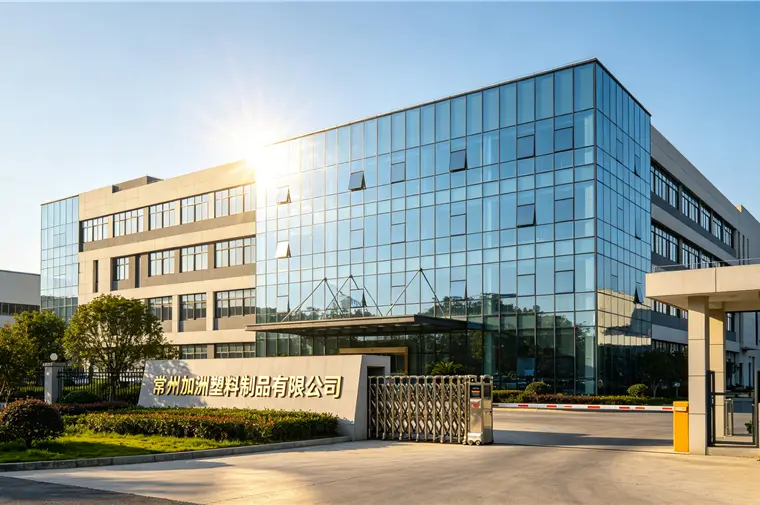
Established in 2010 in the prime industrial center of Changzhou, Jiangsu, Jiazhou Plastic has established itself as an authoritative leader in custom B2B formulation engineering, operating across a 6,000 m² state-of-the-art compounding plant.
With over 16 years of hands-on polymer color engineering, we blend technical expertise with large-scale industrial throughput. Our multi-screw compounding facilities, high-shear dispersion mixers, and specialized thermal management systems ensure that every batch exhibits exact rheological synergy with clients' primary host resins.
Anticipating cross-sector transitions toward decarbonization, multi-functional additive masterbatches, and automated inline optical color verification.
Formulating masterbatches designed to standardize inconsistent PCR feedstocks, masking impurities with optimized color chroma while bridging Melt Flow Index (MFI) gaps.
Developing next-generation masterbatches based on PLA, PBAT, and PHA substrates that disintegrate completely without microplastic footprint in commercial composters.
Fusing vivid chromatic coloring with multi-additives such as UV light inhibitors, anti-static agents, anti-fog surfactants, and slip agents into single compact masterbatch beads.
Innovative near-infrared visible black masterbatches that permit optical sorting machinery at recycling depots to classify dark polymer packaging effortlessly.
From heavy-duty agricultural geotextiles to thin-gauge food preservation packaging, see how our compounds integrate into localized production lines.
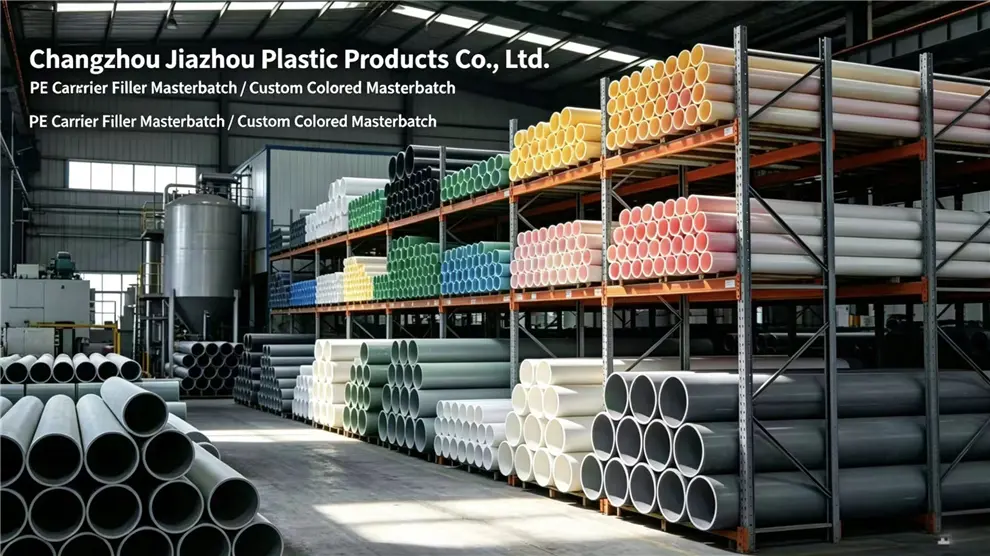
HDPE, PPR, and PVC drainage conduits require up to 260°C thermal stability and continuous hydrostatic strength. Our high-load carbon black and blue masterbatches ensure UV protection up to 10,000 hours of direct sun radiation without cracking.
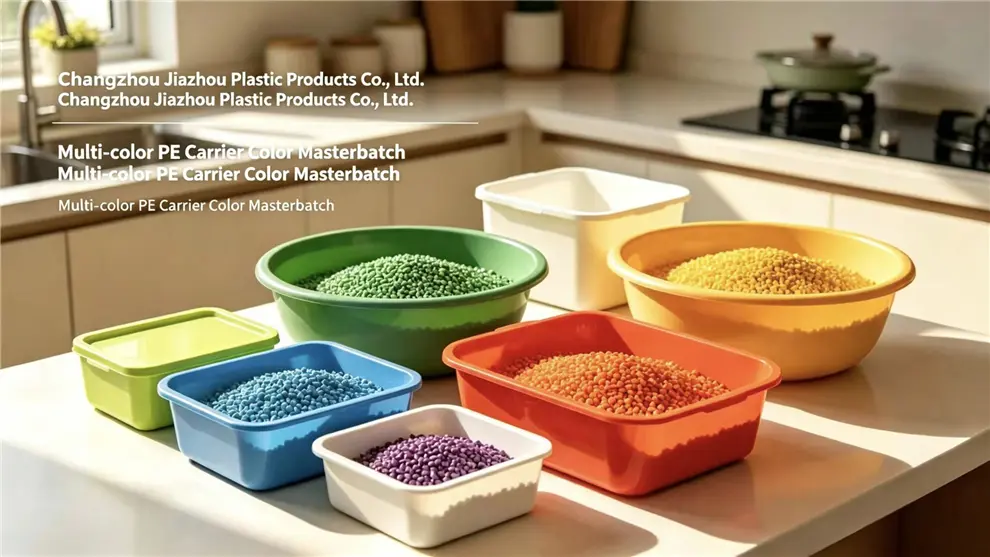
In automotive interiors, electronic housings, and high-turnover consumer items, Jiazhou color masterbatches eliminate flow lines, weld defects, and sinking marks via superior, sub-micron pigment dispersion and anti-warpage agents.
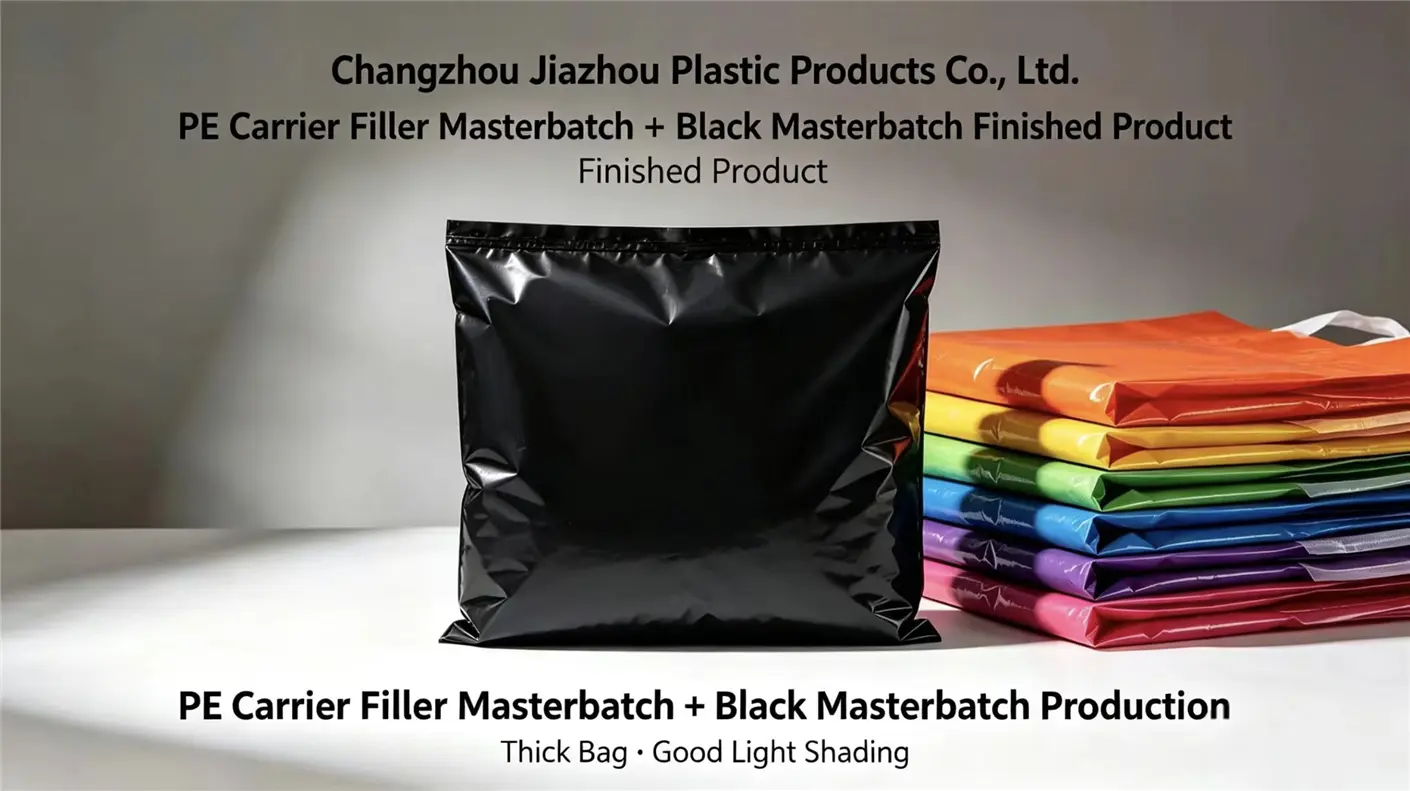
Modern blown film machines operating at 400 kg/hr demand ultra-thin bubble wall stability down to 10 microns. Our non-migrating masterbatches safeguard dart-impact durability, seal integrity, and light-blocking opacity for logistics mailers.
A predictable multi-year trajectory driven by data-centric batch monitoring, chemical automation, and energy-efficient green manufacturing.
Optimizing L/D ratios along compounding barrels to induce maximal laminar shear. Eliminating dry agglomerates, reducing screen-pack pressure buildup, and guaranteeing Delta E < 0.5 across consecutive manufacturing campaigns.
Integrating continuous spectrophotometric line sensors directly inside melt discharge dies. The algorithms execute real-time automated gravimetric feed tweaks, maintaining spectral uniformity irrespective of resin variations.
Pioneering the commercial scaling of ultrafine calcium carbonate, talc, and recycled matrix carriers treated with plant-derived coupling chemistry to cut carbon lifecycle impact by up to 38%.
Jiazhou provides global converters with custom-tailored solutions that streamline production, minimize raw material costs, and ensure consistent color output.
Send us your physical target chip, Pantone, or RAL code. Our lab analyzes spectral reflectivity curves and yields custom samples within 72 hours, complete with DSC melt testing data.
Our calcium carbonate (CaCO3) and sodium sulfate masterbatches enable manufacturers to substitute up to 40% of prime virgin resin without sacrificing tensile yield or puncture resistance.
We offer palletized ocean container loadings, moisture-barrier multi-wall packaging with PE liners, flexible minimum order quantities, and door-to-port logistics for over 100 markets.
Clear, technically accurate answers to guide production heads and sourcing managers through masterbatch qualification and selection.
The addition ratio typically ranges from 1% to 4%, depending on the final part wall thickness, opacity requirements, and processing technique. In thin blown film (under 25 microns), higher pigment concentration grades (30%–50% loading) allow dosages around 1.5%–2% without causing pinholes or dielectric breakdown. For thick-section injection molding, 2%–4% guarantees complete color saturation and masking.
We use high-purity organic and inorganic pigments paired with synergistic primary and secondary antioxidant systems. During compounding, twin-screw temperature profiles are zoned accurately to disperse colorants below degradation thresholds, ensuring the pigment crystal structure remains stable during downstream extrusion and injection at 260°C.
While our PE carrier masterbatches show good miscibility in PP systems due to polyolefin compatibility, high-polar engineering polymers like ABS, PC, or PS demand specific carrier chemistry to avoid delamination and reduced impact strength. Jiazhou offers dedicated universal resin carriers and functional compatibilizers for applications requiring cross-resin blending.
Every delivery includes a batch-specific Certificate of Analysis (COA) specifying pigment loading, Melt Flow Rate (MFR), moisture content (<0.15%), and Delta-E color variance. We also provide third-party verified RoHS declarations, REACH SVHC screening statements, and FDA 21 CFR food-contact compliance declarations upon request.
From specialty effect metallics to high-performance black and neutral gray dispersions, choose formulations optimized for your manufacturing machinery.