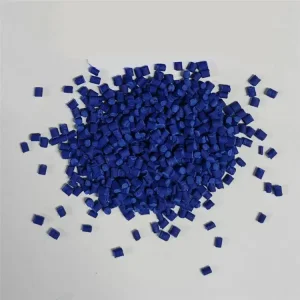
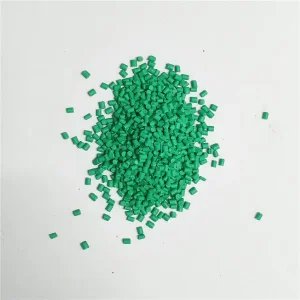
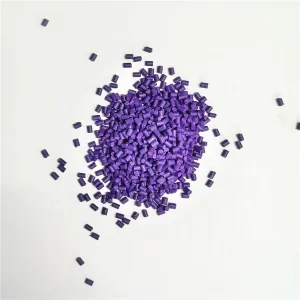
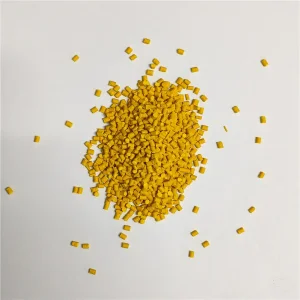
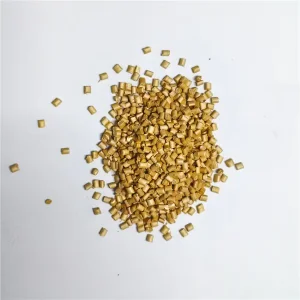
Direct supply options featuring high color concentration, 260°C thermal stability, non-migration properties, and eco-friendly compliance for international buyers.
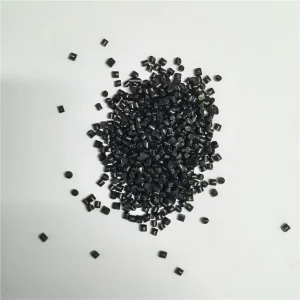
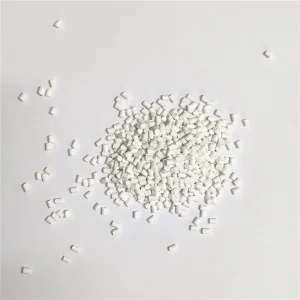
In modern polymer conversion, selecting a custom cost-effective domestic PE masterbatch company & companies is no longer just a purchasing decision—it is a critical strategy for performance optimization and margin defense. Polyethylene (PE), encompassing Low-Density Polyethylene (LDPE), Linear Low-Density Polyethylene (LLDPE), and High-Density Polyethylene (HDPE), remains the world's most processed thermoplastic polymer. Delivering uniform color, structural integrity, and enhanced weatherability across PE matrices requires deep micro-dispersion chemistry and precise rheological carrier matching.
This industrial whitepaper examines how leading domestic masterbatch manufacturers leverage advanced twin-screw extruders, organic and inorganic pigment chemistry, and optimized melt flow indexes (MFI) to deliver unparalleled cost-performance ratios for global polymer converters. By eliminating color streakiness, reducing additive migration, and ensuring continuous melt processing up to 260°C, custom PE masterbatches empower plastics enterprises to minimize scrap rates while maximizing throughput.
Understanding how domestic production clusters, raw material integration, and twin-screw extrusion technology create sustainable cost advantages for global procurement leaders.
Domestic Chinese masterbatch producers are positioned adjacent to massive petrochemical polyolefin hubs. Direct pipeline and bulk container access to virgin LDPE, LLDPE, and HDPE virgin resins minimizes raw material transport premiums, creating a cost-effective baseline for custom compounding.
Utilizing high-torque, co-rotating twin-screw extruders with dynamic L/D (Length/Diameter) ratios, domestic factories execute continuous continuous compounding. High throughput capacity lowers per-kilogram energy overhead and labor costs without compromising shear rate or dispersion quality.
In-house spectrophotometers and computerized color-matching systems allow domestic manufacturers to rapidly synthesize custom RAL, Pantone, or target masterbatch samples. Rapid prototype turnarounds eliminate long sourcing cycles for international OEM plastics processors.
A common failure mode in plastic processing occurs when masterbatch suppliers utilize low-grade universal carriers that possess mismatched Melt Flow Indexes (MFI) relative to the end-use polymer resin. Premium domestic custom PE masterbatch manufacturers strictly utilize virgin PE carriers engineered with identical or higher MFI than the target substrate resin (e.g., MFI 20g/10min for blown film, MFI 30-40g/10min for injection molding). This guarantees zero phase separation, preserves impact strength, and ensures rapid color homogenization throughout the barrel.
Strategic purchasing managers evaluate domestic masterbatch companies across multiple performance vectors beyond basic unit pricing.
| Evaluation Metric | Standard Low-Cost Supplier | Premium Custom Domestic PE Company | Impact on Enterprise Plastics Converters |
|---|---|---|---|
| Pigment Concentration | 20% - 30% Loading | 40% - 70% Ultra-High Loading | Significantly reduces Let-Down Ratio (LDR), cutting shipping freight & storage costs by up to 35%. |
| Dispersion Quality (Filter Pressure Value) | High FPV (> 2.5 bar/g), risking filter clog | Low FPV (< 0.8 bar/g), ultra-fine particle size | Prevents screen pack clogging in extruders; eliminates film blowouts and surface pinholes. |
| Thermal Resilience | Degrades at > 200°C (fading, yellowing) | Heat Resistant up to 260°C - 300°C | Allows higher extrusion temps, shortening molding cycle times without color drift or gas production. |
| Carrier Compatibility | Recycled or generic wax carriers | Virgin LDPE / LLDPE / HDPE specific carriers | Maintains mechanical tensile strength, weldability, and impact resistance of finished plastic products. |
| Batch-to-Batch ΔE Stability | ΔE > 1.5 (Noticeable visual variance) | Strict Spectrometric Control (ΔE < 0.5) | Guarantees perfect brand color consistency across multiple international manufacturing plants. |
Inside the chemistry of custom polyethylene masterbatch compounding—balancing organic pigments, inorganic oxides, and functional additive packages.
The core efficacy of a custom cost-effective domestic PE masterbatch company lies in its particle size reduction techniques. Inorganic pigments like Titanium Dioxide (TiO2 for White Masterbatch) and Carbon Black (for Black Masterbatch) require surface wetting agents such as polyethylene wax (PE Wax) and zinc stearate to prevent agglomeration.
Organic pigments (such as Phthalocyanine Blue, Quinacridone Red, and Isoindoline Yellow) undergo high-shear compounding. This breaks down primary aggregates to sub-micron dimensions, enabling ultra-thin layer film blowing (down to 10 microns) without physical pinholes or streak defects.
Modern PE color masterbatch is rarely just colorant; it is a multi-functional delivery system. Custom formulations integrate targeted functional additives to enhance processing and end-use longevity:
How specialized domestic masterbatch formulations solve real-world processing challenges across distinct industrial plastic sectors.
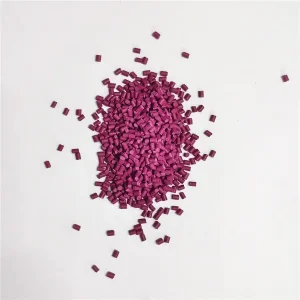
In high-speed flexible packaging, courier bags, and agricultural greenhouse films, masterbatch must disperse instantly without generating gels or fish-eyes. PE White Masterbatch (high TiO2 loading) provides high opacity and UV blocking, while Rose Red, Blue, and Green masterbatches deliver vibrant aesthetics for commercial branding films.
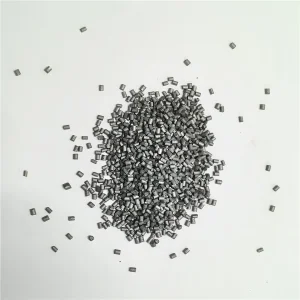
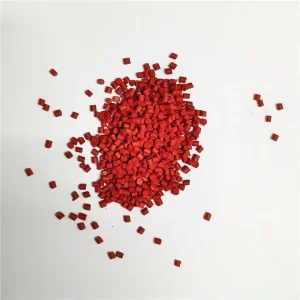
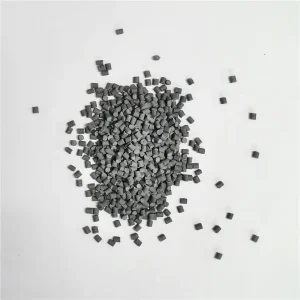
From heavy-duty HDPE logistics crates to thin-walled PP/PE container lids, injection molders require consistent melt rheology. Custom PE Grey, Yellow, and Red masterbatches ensure high dimensional stability, zero warp, and high heat resistance (up to 260°C) during rapid injection cycles.
HDPE municipal water pipes, gas lines, and cable conduit extrusions demand robust UV stabilization and carbon black dispersion (P-type carbon black particle size < 25nm). Domestic Black Masterbatch companies provide specialized grades that pass stringent long-term hydrostatic strength (PTHS) testing standards.
Navigating international regulatory frameworks to ensure seamless import, environmental safety, and on-site engineering assistance.
Exporting plastic goods into North American, European, and Asia-Pacific markets requires strict adherence to environmental chemical regulations. Leading domestic PE masterbatch manufacturers maintain rigorous testing protocols to ensure products are fully compliant with:
Top-tier domestic masterbatch vendors bridge the geographical gap by offering localized technical consultation. This includes:
The global masterbatch market is evolving rapidly toward eco-conscious formulations and smart manufacturing processes.
With global sustainability mandates, custom masterbatch companies are developing specialized carrier systems optimized for Post-Consumer Recycled (PCR) PE resins. These masterbatches contain booster additives to restore melt strength and neutralize color variations intrinsic to recycled feedstocks.
Utilizing sugarcane-derived sugarcane-based Polyethylene (Bio-PE) carriers, manufacturers can offer 100% renewable color masterbatches. This drastically reduces the carbon footprint of packaging without compromising processing performance or mechanical strength.
Next-generation domestic factories are implementing inline NIR (Near-Infrared) color monitoring and automated gravimetric dosing feed systems. This digital quality assurance eliminates human error and guarantees zero batch-to-batch shade drift.
Direct answers to common engineering, procurement, and quality control questions regarding domestic PE masterbatch supply.
Sourcing from a specialized domestic PE masterbatch company in China delivers a dual advantage: access to massive economies of scale and advanced compounding tech. Chinese manufacturers benefit from direct upstream petrochemical integration, lowering raw resin and pigment procurement costs. When combined with state-of-the-art twin-screw extrusion machinery and in-house color lab matching, buyers receive premium-grade masterbatches (high loading, low FPV, 260°C heat resistance) at a price point 20% to 40% lower than traditional Western compounders.
The carrier resin acts as the delivery vehicle for pigments and additives. If an incompatible carrier (or a low-grade wax) is used, phase separation can occur, resulting in reduced mechanical strength, poor surface finish, and color streaking. A custom PE masterbatch uses virgin LDPE, LLDPE, or HDPE matched to the target substrate's Melt Flow Index (MFI). This ensures complete, seamless blending during screw extrusion, maintaining optimal impact strength, film clarity, and weldability.
Due to ultra-high pigment loading (ranging from 40% to 70%), high-concentration custom PE masterbatches typically achieve superior opacity and color intensity at lower dosing levels. Standard Let-Down Ratios range between 1% and 4% (1:100 to 4:100 ratio), depending on film thickness or molding wall section. Lowering the required LDR directly reduces raw material input costs and freight expenses for global converters.
Thermal stability up to 260°C is engineered by selecting high-grade organic/inorganic pigments with elevated decomposition temperatures (such as quinacridone, phthalocyanine, and complex inorganic color pigments) combined with primary thermal antioxidants (hindered phenols) and secondary phosphite stabilizers. This system prevents pigment charring, color shift, or gas generation during high-temperature injection molding or extrusion process cycles.
Domestic masterbatch leaders utilize computer-controlled spectrophotometers to test masterbatch chips against target physical master samples under standardized D65, A, and F11 light sources. Every batch undergoes Filter Pressure Value (FPV) testing to measure dispersion cleanliness, ensuring the color difference (ΔE) remains strictly under 0.5 compared to approved golden samples.
Domestic suppliers provide comprehensive regulatory documentation upon request, including REACH SVHC declaration, RoHS test reports from accredited third-party labs (SGS/TÜV), FDA food contact compliance certificates (21 CFR 177.1520), and heavy-metal-free EN71-3 compliance for toy manufacturing applications.
Explore our targeted range of custom masterbatches. Click below to request pricing, technical datasheets (TDS), and complimentary testing samples directly from our factory.