Food-Grade Masterbatch Whitepaper 2026

Custom European And American Food Packaging Pe Masterbatch Companies & Factories

Global B2B Engineering Guide: Advanced PE Carrier Formulation, Non-Migration Pigment Technology, EU 10/2011 & US FDA Compliance Architecture for High-Speed Blown Film & Injection Molding.

Featured Food-Grade PE Color Masterbatch Solutions

High-concentration pigment dispersion engineered specifically for European and North American food-contact packaging applications, medical devices, and high-speed extrusion manufacturing.
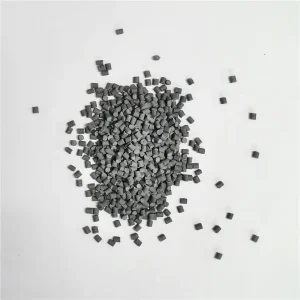
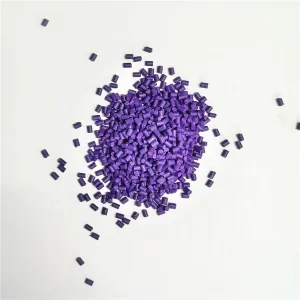
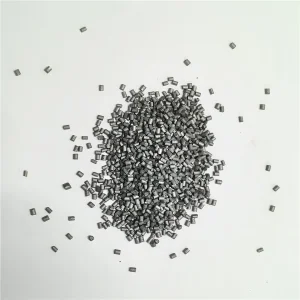
Custom High Concentration PE Grey Masterbatch Non-migration Heat Resistant for Blown Film Injection Extrusion Plastic Coloring Companies, Supplier
View Technical Specs
China High Concentration PE Purple Masterbatch Anti-fading Stable Color for Blown Film Injection Extrusion Plastic Coloring Company, Companies
View Technical Specs
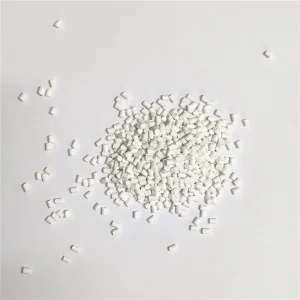
High-Quality High Concentration PE White Masterbatch Non-toxic Weather Resistant for Injection Molding Blown Film Extrusion Plastic Coloring Companies, Supplier
View Technical Specs
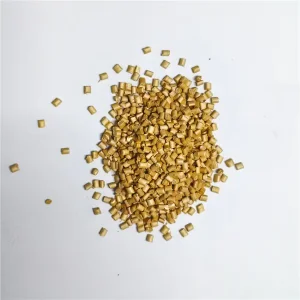
Custom High Concentration PE Gold Masterbatch Anti-fading Heat Resistant for Injection Blown Film Extrusion Plastic Coloring Suppliers, Manufacturer
View Technical Specs
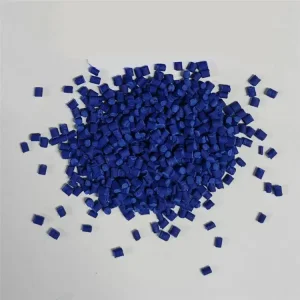
High-Quality High Concentration Blue Masterbatch PE Carrier for Plastic Injection Blowing Film Coloring Company, Manufacturer
View Technical Specs
Custom High Concentration PE Silver Masterbatch Anti-fading High Weather Resistance for Blown Film Injection Extrusion Plastic Coloring Suppliers, Manufacturer
View Technical Specs
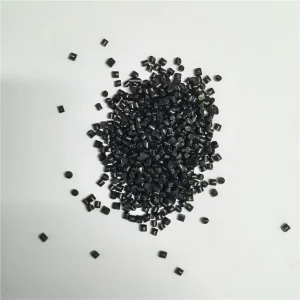
High-Quality High Concentration PE Black Masterbatch Eco-friendly 260°C Heat Resistant for Blown Film Injection Extrusion Plastic Coloring Suppliers, Manufacturers
View Technical Specs
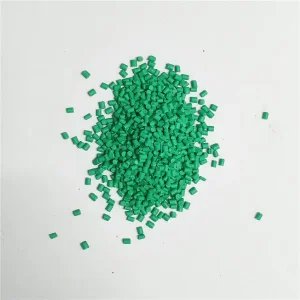
China High Concentration PE Green Masterbatch Anti-fading Heat Resistant for Injection Blown Film Extrusion Plastic Coloring Factory, Supplier
View Technical Specs

1. Executive Industry Overview: European & American Food Packaging Landscape

The international food packaging sector across the European Union and North America is undergoing a profound structural evolution. Driven by stringent public health mandates, circular economy directives, and changing consumer preferences, plastic masterbatch manufacturers are required to move beyond simple color matching toward multi-functional, ultra-pure polymer concentrates.

100%
FDA 21 CFR Compliant
< 0.5
Spectrophotometer ΔE Tolerance
260°C
Thermal Degradation Limit
0%
Organoleptic Migration

The Dual Imperative: Chemical Safety & Processing Efficiency

In modern high-speed flexible packaging production—such as 7-layer co-extrusion blown film lines operating at speeds over 300 meters per minute—the performance of Polyethylene (PE) masterbatch directly governs line yield, barrier integrity, and compliance. Leading European and American enterprise buyers no longer evaluate masterbatch vendors solely on unit pricing ($/kg). Instead, procurement protocols evaluate the Total Cost of Ownership (TCO), which factors in filter clogging metrics (Pressure Filter Value - FPV), organoleptic neutrality (taste and odor non-interference), and lot-to-lot color repeatability.

Polyethylene remains the dominant carrier resin for flexible food packaging due to its chemical inertness, moisture resistance, and flexural durability. However, incorporating high concentrations of inorganic titanium dioxide (TiO2), carbon black, or organic pigments into Low-Density Polyethylene (LDPE), Linear Low-Density Polyethylene (LLDPE), or High-Density Polyethylene (HDPE) requires sophisticated twin-screw extrusion technology and specialized surface-treatment chemistry to prevent agglomeration.

2. Regulatory Architecture: EU 10/2011 & US FDA Food Contact Compliance

For custom European and American food packaging PE masterbatch companies and factories, regulatory compliance is non-negotiable. Sourcing raw colorants requires absolute transparency across chemical composition, migration thresholds, and toxicological safety.

European Union Framework: Regulation (EU) No 10/2011 & EFSA

The European Union imposes some of the world's strictest regulations on food contact plastics under Regulation (EC) No 1935/2004 and specific measure Regulation (EU) No 10/2011 (including its recent amendments). Masterbatches designed for the EU food supply chain must adhere to strict limits:

  • Overall Migration Limit (OML): Restricts the total mass of non-volatile substances released from the final packaging material into food simulants to 10 mg/dm² or 60 mg/kg of food.
  • Specific Migration Limits (SML): Applies strictly to specific colorants, primary aromatic amines (PAAs), heavy metal contaminants (such as Lead, Cadmium, Mercury, and Hexavalent Chromium), and additive residues.
  • Non-Intentionally Added Substances (NIAS): Demands rigorous high-resolution mass spectrometry screening to detect reaction byproducts or impurities that could migrate into food products.

United States Framework: US FDA 21 CFR 177.1520 & Packaging Safety

In the United States, the Food and Drug Administration regulates olefinic polymers under Title 21 of the Code of Federal Regulations (CFR), specifically 21 CFR 177.1520 for olefin polymers and 21 CFR 178.3297 for colorants in polymers:

  • Extraction Limits: Demands verification of maximum extractable fractions in n-hexane at specified reflux temperatures and soluble fractions in xylene.
  • Purity Specifications: Pigment additives must meet heavy metal limits and be free of carcinogenic impurities, ensuring safety under conditions of use ranging from frozen food storage to microwave reheating.
  • GRAS Status: Reliance on Generally Recognized as Safe (GRAS) substances and formal Food Contact Notifications (FCN) for custom additive blends.
Compliance Vector European Union (EU 10/2011 & Amendments) United States (US FDA 21 CFR) Engineering Masterbatch Response
Primary Aromatic Amines (PAAs) Detection limit < 0.01 mg/kg; individual PAAs < 0.002 mg/kg Strict impurity restrictions on azo pigments High-purity organic pigment selection; zero toxic residue synthesis
PFAS & Fluorinated Compounds EU REACH restriction proposal for all PFAS chemistries State-by-state prohibitions (e.g., California, Maine) 100% PFAS-Free Polymer Processing Aids (PPA) formulation
Heavy Metals (CONEG / 94/62/EC) Sum of Pb, Cd, Hg, Cr(VI) < 100 ppm Sum of Pb, Cd, Hg, Cr(VI) < 100 ppm XRF batch screening ensuring heavy-metal-free carrier systems
Organoleptic Neutrality EN 1230-1 & EN 1230-2 Robinson Test evaluation Sensory evaluation for off-flavor/taint in dairy & water Ultra-low VOC carrier resins; thermal stabilization at 260°C

3. Advanced Compounding Engineering: Carrier Matching & Nanometer Dispersion

Achieving flawless performance in thin-wall blown film and delicate extrusion applications requires high-level compounding control during masterbatch manufacturing.

1. Carrier Resin Rheology & Compatibility

Using an incompatible carrier resin creates micro-phase separation, resulting in pinholes, reduced tensile strength, and optical haze in blown films. Premium custom PE masterbatch manufacturers utilize virgin LLDPE or LDPE carrier resins with high Melt Flow Index (MFI) values (typically 20 to 50 g/10min at 190°C/2.16kg). This ensures rapid melt distribution without compromising the molecular chain of the host polymer matrix.

2. High Shear Twin-Screw Extrusion

The dispersion process relies on co-rotating twin-screw extruders featuring specialized screw element configurations (kneading blocks, reverse conveying elements, and shear disks). Operating under controlled temperature profiles (up to 260°C), pigment agglomerates are broken down to sub-micron particle sizes. This achieves lower Pressure Filter Values (FPV < 1.0 bar/g), preventing filter screen clogging during packaging production.

3. Non-Migration & Thermal Stability

Organoleptic integrity requires zero migration of colorants into fatty, aqueous, or acidic food substances. By using inorganic oxides or highly cross-linked organic pigments treated with hydrophobic coupling agents, our food-grade PE masterbatches eliminate blooming, bleeding, and surface chalking, even during high-temperature retort or hot-fill sterilizations up to 121°C.

4. Macro Market Development Trends in European & American Packaging

Driven by ESG commitments, legislative changes, and mechanical recycling targets, food packaging converters in the US, Canada, EU, and UK require new functionalities from masterbatch suppliers.

A. The Transition to PFAS-Free Polymer Processing Aids (PPA)

Historically, fluoropolymer-based processing aids (PFAS) were used to eliminate melt fracture (sharkskin) and reduce die buildup during PE film extrusion. Regulatory bans across the US (California AB 1817, Minnesota Amara's Law) and European ECHA REACH proposals have accelerated the shift toward 100% PFAS-free masterbatches. Modern food packaging masterbatches utilize advanced non-fluorinated synthetic esters and siloxane-based melt modifiers that deliver equivalent melt fracture suppression while maintaining compliance with food-contact regulations.

B. Post-Consumer Recycled (PCR) Integration & Color Masking

EU Packaging and Packaging Waste Regulation (PPWR) mandates minimum recycled content levels in plastic packaging by 2030 (e.g., 30% for contact-sensitive packaging). However, PCR PE resins often display yellowing, graying, or residual odor. Custom color masterbatches—such as specialized PE Grey, Purple, Blue, and White formulations—act as optical optical-tinting agents. They neutralize yellowness and provide uniform visual aesthetic without compromising the mechanical recyclability of the film structure.

C. Near-Infrared (NIR) Detectable Masterbatches for Sorting

Traditional carbon black masterbatches absorb near-infrared light, rendering black plastic packaging invisible to automated optical sorting machinery in European materials recovery facilities (MRFs). Advanced PE Black Masterbatch formulations utilize NIR-transparent dyes or specialized mixed metal oxide pigments. This allows automated optical sorters to detect and sort the underlying PE polymer substrate for recycling.

D. Bio-PE & Monomaterial Barrier Packaging

To simplify the recycling stream, European convertors are shifting from multi-material laminates (e.g., PET/PE or PE/PA) to monomaterial PE film structures (HDPE/LLDPE). Custom masterbatch manufacturers provide high-barrier functional additives—such as UV-blocking PE Masterbatches—directly integrated into monomaterial packaging films to protect light-sensitive dairy and meat products.

5. Sourcing Guide: How European & American Buyers Select Masterbatch Factories

Evaluating custom PE color masterbatch suppliers requires systematic technical verification. Strategic procurement teams rely on a structured audit framework to validate quality, safety, and long-term delivery capabilities.

Factory Audit & Quality Assurance Protocol

  1. Raw Material Traceability & Batch Consistency: Certified suppliers maintain strict lot-to-lot consistency through automated gravimetric feeding systems and spectrophotometric testing (ensuring Delta E < 0.5 under D65, A, and F11 light sources). Every shipment must be accompanied by a comprehensive Certificate of Analysis (CoA).
  2. Cleanroom Production Environment: Food-grade masterbatch manufacturing lines should feature closed pneumatic conveying systems, magnetic metal separators, and high-mesh melt filtration to eliminate foreign particulate contamination.
  3. Third-Party Laboratory Certifications: Compliance must be verified independently by accredited testing laboratories (such as SGS, Intertek, or TÜV Rheinland) covering FDA 21 CFR 177.1520, EU 10/2011, RoHS, REACH SVHC, and heavy metals directives (CONEG).
  4. Supply Chain Agility & Lead Times: Tier-1 export factories provide rapid color matching within 3 to 5 business days, backed by flexible batch sizes and reliable international sea/air freight logistics.

6. Technical Roadmap: Next-Gen Innovations in PE Masterbatch Chemistry

The future of plastic packaging relies on functional masterbatches that provide active protection, improved processability, and reduced environmental impact.

Smart Barrier Tech

Integration of active oxygen scavengers and ethylene absorbers directly into color masterbatch formulations to extend the shelf life of fresh produce and meat products in flexible PE pouches.

Sub-Micron UV Attenuation

Novel inorganic UV blockers engineered at the nanoscale to reflect UV-A and UV-B radiation without causing haze or discoloration in clear PE film structures.

AI Spectrum Matching

Utilizing machine learning algorithms to formulate color combinations instantly, reducing color development cycles while optimizing pigment loading for maximum cost performance.

7. Frequently Asked Questions (Technical & Procurement Q&A)

Addressing key engineering, regulatory, and purchasing inquiries from European and American food packaging convertors and enterprise procurement teams.

Q1: What specific regulatory documentation is provided for food packaging masterbatches exported to the EU and US?
We provide a comprehensive Food Contact Declaration of Compliance (DoC) package for every batch. This includes explicit verification of compliance under EU Regulation (EC) No 1935/2004, Regulation (EU) No 10/2011 (with all recent amendments), US FDA 21 CFR 177.1520 and 21 CFR 178.3297, as well as heavy metal declarations complying with CONEG and EU Directive 94/62/EC. Third-party testing reports from SGS or Intertek for Overall Migration Limits (OML) and Specific Migration Limits (SML) are available upon request.
Q2: How does non-migration masterbatch technology prevent organoleptic degradation (taste/odor alteration) in food packaging?
Organoleptic issues are caused by low-molecular-weight volatile organic compounds (VOCs), unreacted monomer residues, or low-grade dispersants migrating into food products. Our food-grade PE masterbatches utilize ultra-pure, high-molecular-weight LLDPE carrier resins combined with high-purity inorganic or non-bleeding organic pigments. Extruded under controlled thermal profiles with vacuum degassing, our masterbatches minimize VOCs, ensuring zero odor or taste transfer under Robinson Test protocols (EN 1230-1/2).
Q3: What makes a PE color masterbatch 100% PFAS-Free, and why is this critical for European and American manufacturers?
Historically, polymer processing aids (PPAs) added to PE masterbatches contained fluoroelastomers (PFAS) to eliminate die buildup and melt fracture during extrusion. In response to legislation banning PFAS in food packaging across various US states and pending EU REACH restrictions, our factory engineered 100% PFAS-Free Masterbatches. We utilize alternative organo-silicone and synthetic ester chemistry to maintain high extrusion speeds without using fluorinated compounds.
Q4: How do high pigment concentrations affect processing economics and total cost of ownership (TCO)?
By increasing pigment loading (e.g., up to 70% for TiO2 in White Masterbatch or 40-50% for high-grade organic colors) while maintaining sub-micron particle dispersion, convertors can achieve desired opacity and tinting strength at lower let-down ratios (LDR), typically between 1% to 3%. This reduces masterbatch consumption per ton of resin, optimizes storage and shipping costs, and lowers production line cost per unit.
Q5: Can PE color masterbatches be processed alongside Post-Consumer Recycled (PCR) PE resins without degrading mechanical properties?
Yes. Our custom PE masterbatches are formulated with compatible polyolefin carrier matrices that melt evenly with both virgin and PCR PE resins (PCR-LDPE, PCR-HDPE). Additionally, our anti-yellowing and color-correcting formulations (such as specialized Purple and Grey masterbatches) effectively neutralize native color variations in recycled resins while maintaining dart-impact and tensile strength in blown films.
Q6: What thermal stability limits are guaranteed for high-speed extrusion lines operating at up to 260°C?
Our food-grade PE color masterbatches feature heat-stabilized pigment complexes that withstand temperatures up to 260°C without color shifting, thermal degradation, or off-gassing. This thermal stability makes them suitable for high-speed cast film extrusion, blown film co-extrusion, and heavy-duty injection molding of caps and closures.
Q7: What is an NIR-Detectable Masterbatch and why is it essential for European recycling infrastructure?
Standard carbon black masterbatches absorb Near-Infrared (NIR) light, making them unreadable to optical sorting systems at recycling facilities. NIR-detectable masterbatches utilize alternative black pigments or specialized color formulations that reflect light in the 700-1100 nm wavelength range. This allows optical sorters to identify the underlying PE polymer, ensuring the packaging can be properly sorted and recycled under EU packaging directives.
Q8: What is the typical lead time for custom color matching ($\Delta E < 0.5$) and sample dispatch?
Upon receiving physical target samples, Pantone, or RAL color references, our color-matching laboratory uses spectrophotometers to formulate matching masterbatches within 3 to 5 business days. Once matched, custom sample pellets (1-2 kg) are dispatched via express courier for customer trial testing. Commercial orders are typically completed and dispatched within 10 to 15 days.

Complete High-Concentration PE Color Masterbatch Directory

Explore our full line of functional PE color masterbatches engineered for blown film extrusion, food packaging containers, and industrial applications.
Custom High Concentration PE Gold Masterbatch Anti-fading Heat Resistant for Injection Blown Film Extrusion Plastic Coloring Suppliers, Manufacturer
Request Quote & Sample
High-Quality High Concentration Blue Masterbatch PE Carrier for Plastic Injection Blowing Film Coloring Company, Manufacturer
Request Quote & Sample
Custom High Concentration PE Silver Masterbatch Anti-fading High Weather Resistance for Blown Film Injection Extrusion Plastic Coloring Suppliers, Manufacturer
Request Quote & Sample
High-Quality High Concentration PE Black Masterbatch Eco-friendly 260°C Heat Resistant for Blown Film Injection Extrusion Plastic Coloring Suppliers, Manufacturers
Request Quote & Sample
China High Concentration PE Green Masterbatch Anti-fading Heat Resistant for Injection Blown Film Extrusion Plastic Coloring Factory, Supplier
Request Quote & Sample
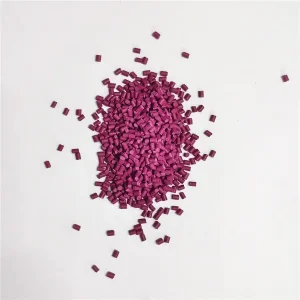
Cheap High Concentration PE Rose Red Masterbatch Anti-fading Heat Resistant for Blown Film Injection Extrusion Plastic Coloring Company, Supplier
Request Quote & Sample
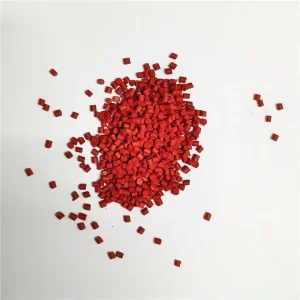
China High Concentration PE Red Masterbatch Bright Color 260°C Heat Resistant for Blown Film Injection Extrusion Coloring Factory, Manufacturers
Request Quote & Sample
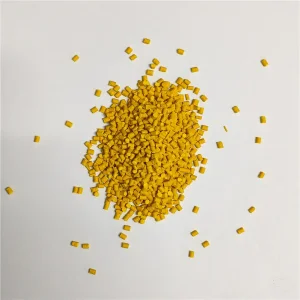
Cheap High Concentration PE Yellow Masterbatch Non-toxic Anti-migration for Blown Film Injection Extrusion Coloring Supplier, Manufacturers
Request Quote & Sample