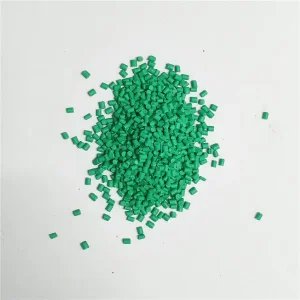
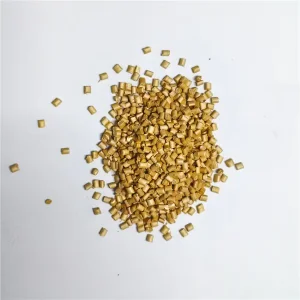
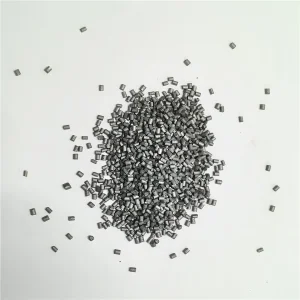
Engineered for maximum tinting strength, thermal dispersion up to 260°C–300°C, and long-term photostability across diverse polyolefin processing lines.
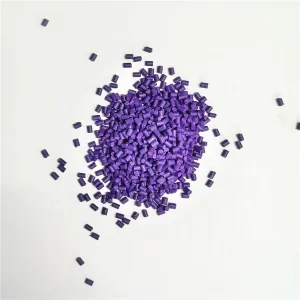
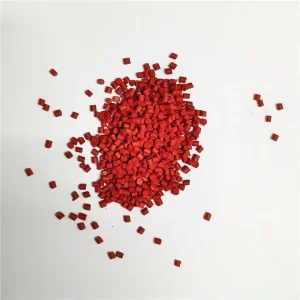
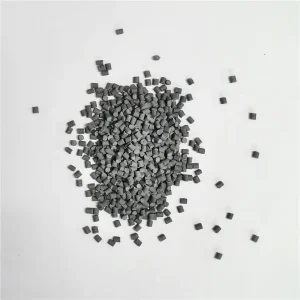
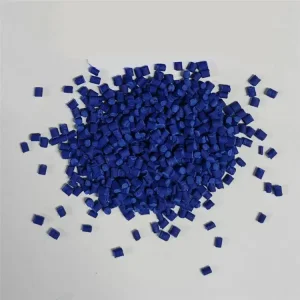
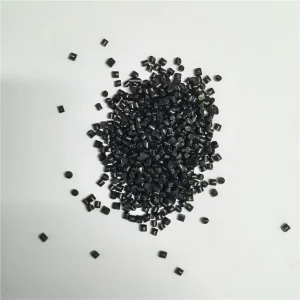
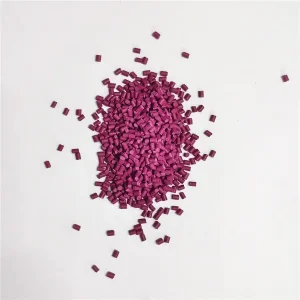
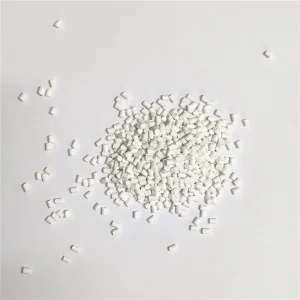
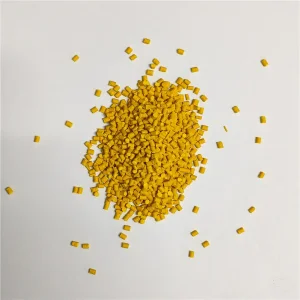
Understanding the transition toward high-durability polyolefins in agricultural, automotive, building, and civil infrastructure markets.
The global polyolefins market is undergoing a structural paradigm shift. Polymer processors and international OEMs no longer evaluate color masterbatch purely on aesthetic tone or cost-per-kilogram. Modern industrial end-uses—ranging from geomembrane liners, agricultural greenhouse films, high-density polyethylene (HDPE) pressure pipes, and stadium seating to exterior automotive trims—require colorants to withstand grueling ultraviolet (UV) radiation, severe thermal cycling, and aggressive chemical environments without loss of mechanical integrity or optical degradation.
Standard color concentrates fabricated with low-tier organic pigments often suffer from solar degradation within months. Solar radiation in the UV-A (315–400 nm) and UV-B (280–315 nm) spectrums breaks the C-C and C-H bonds within the polyethylene backbone, triggering photo-oxidative degradation. This chemical breakdown leads to surface chalking, micro-cracking, loss of tensile elongation at break, and rapid color fading. Custom fade resistant PE masterbatches engineered by leading manufacturers incorporate high-purity inorganic pigments, micro-dispersed carbon blacks, and synergistic Hindered Amine Light Stabilizer (HALS) packages to neutralize free radicals and dissipate high-energy photons before structural degradation occurs.
A deep dive into carrier resin rheology, pigment chemistry, thermal stability, and light-stabilizer synergy.
We source ultra-stable inorganic pigments (Complex Inorganic Color Pigments - CICPs, such as Titanium Dioxide, Cobalt Blue, Bismuth Vanadate, and Chromium Oxide Greens) and high-performance organics (Phthalocyanines and Quinacridones). Formulations achieve Blue Wool Scale 7 to 8 (for lightfastness) and Grey Scale 4 to 5 (for weather resistance under ISO 4892-2 testing), guaranteeing minimal color shift ($\Delta E < 1.5$) over multi-year solar exposure.
A critical failure point in cheap masterbatches is carrier mismatch. Our factory utilizes primary virgin Linear Low-Density Polyethylene (LLDPE) or specialized HDPE carrier resins with tailored Melt Flow Index (MFI) matching the target host polymer. Utilizing co-rotating twin-screw extruders with high L/D ratios (40:1 to 48:1), pigment agglomerates are broken down below 2 microns, preventing stress concentration points during blown film or injection processes.
Beyond color pigments, our fade-resistant masterbatches integrate high-molecular-weight HALS (e.g., Chimassorb 944 / Tinuvin 622) combined with UV absorbers (Benzotriazoles/Triazines) and primary/secondary phenolic antioxidants (Irganox 1010 / Irgafos 168). This trifecta traps alkyl and peroxy radicals formed during extrusion and outdoor weathering, preserving mechanical elongation alongside optical color permanence.
| Performance Parameter | Standard Polyolefin Color Concentrate | Jiazhou Custom Fade Resistant PE Masterbatch | Testing Standard / Protocol |
|---|---|---|---|
| Lightfastness (Blue Wool Scale) | Scale 3 – 5 (Fades in 3–6 months) | Scale 7 – 8 (Exceptional photostability) | ISO 105-B02 / DIN 54004 |
| Weathering Resistance (Grey Scale) | Grade 2 – 3 (Noticeable yellowing/shift) | Grade 4 – 5 (Minimal color delta) | ISO 4892-2 Xenon Arc Testing |
| Thermal Stability (°C) | 180°C – 220°C (Risk of discoloration) | 260°C – 300°C (Zero thermal degradation) | EN 12877-2 Process Test |
| Pigment Dispersion Particle Size | 10 – 25 microns (Causes film pinholes) | ≤ 2 microns (Homogeneous filterability) | Pressure Filter Value (FPV) EN 13900-5 |
| Heavy Metal & Environmental Safety | May contain residual heavy pigments | 100% RoHS, REACH, FDA compliant | ICP-OES / GC-MS Certified Lab |
Custom formulated to endure localized environmental stressors, from tropical solar index levels to freezing sub-zero infrastructures.
Regional Stress: High Solar Irradiance Zones (Middle East, Southern Europe, Australia, North Africa).
Agricultural films require ultra-thin blown film processing (15 to 50 microns) without tear propagation. Our custom fade-resistant masterbatches deliver uniform dispersion without creating pinholes or gel specs. The non-migratory HALS additive protects films from pesticide chemical breakdown (sulfur/halogen exposure) and prolonged high-UV solar radiation for multi-season durability.
Regional Stress: Extreme Weather & Sub-zero Thermal Expansion (Nordic Regions, North America).
HDPE gas pipes, telecommunication conduits, and power cable jackets require 25 to 50 years of operational life. Our fade-resistant black (carbon black P-type with fine particle size) and colored signal PE masterbatches resist environmental stress cracking (ESCR), moisture degradation, and intense UV surface erosion in outdoor storage yards before installation.
Regional Stress: High Temperature & Structural Stacking (Equatorial & Industrial Hubs).
Industrial IBC tanks, chemical drums, and outdoor waste management containers require high heat resistance up to 260°C during blow molding and zero color leaching under harsh chemical contents. Our non-migration grey, blue, yellow, and red masterbatches maintain structural dimensional stability without inducing warp or internal stress in heavy-walled molded parts.
Why international plastic processors partner with Changzhou Jiazhou Plastic Products Co., Ltd. for custom masterbatch production.
Operating out of Changzhou, Jiangsu—a premier industrial compounding hub in China—Changzhou Jiazhou Plastic Products Co., Ltd. brings over 16 years of specialized manufacturing experience to global polymer converters. Our 6,000 m² state-of-the-art facility integrates advanced twin-screw extrusion compounding lines, continuous gravimetric dosing systems, and computer-controlled color matching spectrophotometers.
Equipped with Datacolor spectrophotometers and benchtop laboratory injection presses, our R&D team formulates precise color matches based on target Pantone, RAL, or physical plastic samples. We optimize pigment concentration to minimize let-down ratios (LDR) down to 1%–4%, driving down customer raw material costs.
Our strategic relationships with top-tier global and domestic pigment, TiO2, carbon black, and additive suppliers ensure continuous material availability. This vertical supply integration insulates our international customers from volatile price spikes and guarantees batch-to-batch color delta ($\Delta E < 0.8$).
Every production batch undergoes strict quality gates: Melt Flow Index (MFI) verification, moisture content testing via Karl Fischer titration, filterability pressure value (FPV) assessment, and QUV accelerated UV exposure testing before dispatch.
Ensuring seamless legal and environmental compliance across European, North American, and Asia-Pacific markets.
Navigating global chemical regulation requires absolute transparency and comprehensive technical documentation. All custom fade-resistant PE masterbatch formulations produced at our facility strictly comply with international environmental and health standards:
Formulated without Substances of Very High Concern (SVHC) in accordance with European Chemicals Agency (ECHA) standards.
100% heavy-metal-free formulations (Lead, Cadmium, Mercury, Hexavalent Chromium, PBBs, PBDEs free).
Specific food-grade masterbatch series available for food contact packaging, blow-molded bottles, and household kitchenware.
Standardized manufacturing, complete batch traceability, Certificate of Analysis (COA), and Safety Data Sheets (SDS) provided with every shipment.
Technical insights to help your engineering and procurement teams select the optimal masterbatch formulation.
Explore our complete range of specialized PE color and functional masterbatches manufactured for global distribution.