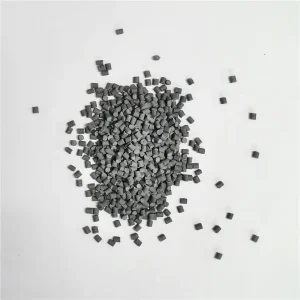
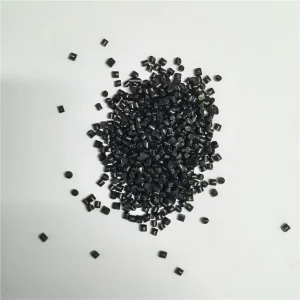
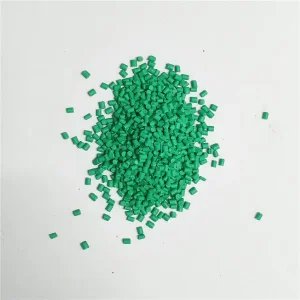
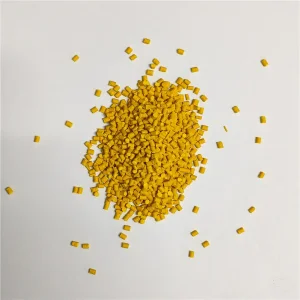
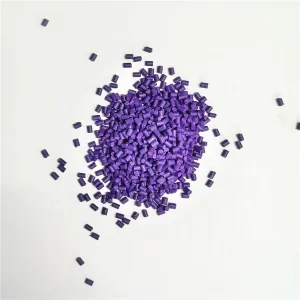
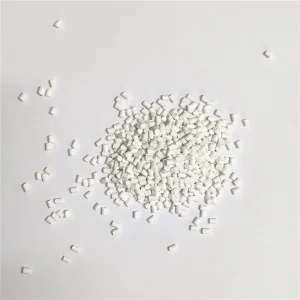
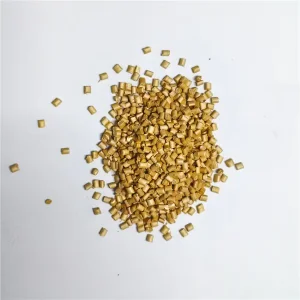
Engineered for extreme thermal processing, high pigment dispersion, and extended outdoor weathering under harsh marine environments.
Quantitative validation of high-density polyethylene (HDPE) monofilament drawing performance under solar UV radiation and marine hydrolysis.
Analysis of polymer degradation challenges, global aquaculture growth, and stringent environmental regulatory frameworks driving masterbatch innovations.
Polyethylene monofilaments used in offshore commercial fishing nets undergo severe photodegradation when exposed to solar UV-A and UV-B radiation (290–400 nm). Sunlight initiates free radical chain reactions, cleaving polymer backbone bonds, reducing molecular weight, and causing embrittlement. Standard PE masterbatches without tailored Hindered Amine Light Stabilizers (HALS) fail within 6 months, leading to catastrophic net tearing, lost catch, and ghost gear pollution.
The transition from nearshore fisheries to deep-sea oceanic aquaculture cages has escalated mechanical demands on synthetic fibers. Nets are subject to continuous dynamic load fatigue from hydrodynamic wave action, salt spray corrosion, and chemical bio-fouling treatments. Modern extrusion factories require custom masterbatches that deliver dual functionality: high color fastness for species-specific light control and thermal-UV stabilization for prolonged tensile longevity.
Global regulatory bodies, including the EU Plastics Strategy and IMO MARPOL Annex V, are cracking down on short-lived marine plastics. Manufacturers are forced to meet strict operational lifespans for fishing nets to prevent premature microplastic shedding. Furthermore, recycled HDPE net feeding streams demand masterbatches with active melt-reconstitution antioxidants to neutralize thermal degradation during secondary mechanical recycling processes.
Deep polymer chemistry insights: Optimizing radical scavenger networks, UV absorbers, and filter pressure values for high-speed fiber monofilament drawing.
Custom anti-aging PE drawing masterbatch formulations rely on a synergistic ternary stabilization matrix. High-molecular-weight Polymeric Hindered Amine Light Stabilizers (such as oligomeric HALS compounds like Chimassorb 944 / Tinuvin 622) trap alkyl and alkylperoxy radicals generated during photo-oxidation (Norrish Type I & II reactions). This is combined with benzotriazole-based UV absorbers to filter incoming photons and secondary phosphite antioxidants (Irgafos 168) to prevent melt-processing degradation in the extruder barrel at 220°C–260°C.
Monofilament drawing process requires extrusion through ultra-fine spinneret nozzles (diameter 0.15mm - 0.40mm) at draw ratios up to 1:11. Standard masterbatches suffer from pigment agglomeration, leading to high Filter Pressure Values (FPV > 1.5 bar/g), strand breakage, and frequent screen pack blinding. Advanced custom masterbatches utilize twin-screw co-rotating compounding under high-shear stress with specialized PE-wax dispersants, achieving FPV levels under 0.15 bar/g for continuous 72-hour extrusion runs.
| Technical Parameter | Standard PE Color Masterbatch | Custom Fishing Net Anti-Aging Masterbatch | Performance Advantage |
|---|---|---|---|
| Carrier Resin Selection | Standard LLDPE (MFI 20-30 g/10min) | Fractional MFI HDPE/LLDPE Co-Polymer Matrix | Prevents melt-strength dropping during monofilament drawing. |
| Active UV Stabilizer Package | Low-cost Monomeric HALS (1.5 - 3%) | High-MW Oligomeric Synergistic HALS (8 - 15%) | Zero extraction in saltwater; 5x longer radical scavenging lifetime. |
| Filter Pressure Value (FPV) | > 1.2 bar/g (Sub-optimal dispersion) | < 0.15 bar/g (Nanometer pigment dispersion) | Zero spinneret clogging; 99.8% strand drawing stability. |
| Thermal Stability Threshold | Up to 220°C | 260°C - 280°C Heat Resistance | No color alteration or thermal degradation during high-speed drawing. |
| Retained Tenacity (QUV 3000h) | < 40% Retained Tensile Strength | > 90% Retained Tensile Strength | Extends commercial fishing net service life from 1 year to 5+ years. |
Adapting masterbatch chemistry to geographical UV intensity indices, ocean thermal profiles, and specific marine gear designs.
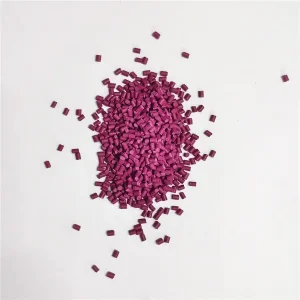
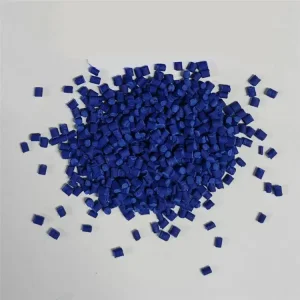
In high solar radiation zones (Southeast Asia, Latin America, Indian Ocean), UV index levels consistently exceed 11+. Fishing net monofilaments require heavy-duty stabilization. Custom Green and Blue PE Masterbatches formulated with high-jetness Carbon Black or copper phthalocyanine pigments act as secondary physical UV blockers, reflecting damaging shortwave light while maintaining structural tenacity under 35°C surface water temperatures.
Fisheries in the North Atlantic and Bering Sea operate in near-freezing conditions (-2°C to 5°C). Polymers exhibit increased glass transition brittleness under heavy dynamic load towing. Masterbatch formulations for these environments incorporate specialized impact modifiers and anti-migratory thermal stabilizers, maintaining monofilament flexibility and preventing cold-crack failures during heavy trawl retrieval.
Coastal fish farming cages face heavy marine organism attachment (barnacles, algae, mussels). Frequent mechanical cleaning and anti-fouling wash coatings can leach standard low-molecular additives out of the fiber. Specialized anti-aging masterbatches utilize non-migrating reactive HALS complexes chemically anchored within the polyethylene matrix, ensuring long-term UV resistance even after chemical immersion cycles.
Demonstrating manufacturing rigor, ISO quality assurance, and end-to-end technical support for monofilament extrusion plants.
Our production facilities utilize high L/D ratio (48:1) twin-screw extruders equipped with gravimetric loss-in-weight feeders. This guarantees absolute dosing accuracy (±0.1%) of light stabilizers and pigments into the molten polyethylene matrix, preventing batch-to-batch concentration fluctuations that lead to weak spots in drawn netting strands.
Every custom masterbatch batch undergoes rigorous accelerated weathering in QUV chambers (ISO 4892-3 / ASTM G154 standards). We monitor tensile retention, color change ($\Delta E^*$), and elongation at break across 1,000 to 5,000 hours of continuous UV-A 340nm irradiation, providing customers with certified test certificates prior to shipment.
Formulated to strict environmental protocols, our fishing net masterbatches are certified free of heavy metals (lead, cadmium, hexavalent chromium), polybrominated biphenyls (PBBs), and toxic organotin compounds. Our products comply fully with EU REACH regulations, ensuring zero toxic leaching into marine ecosystems.
Expert technical insights answering key manufacturing, formulation, and application queries for PE monofilament drawing.
Discover our full palette of high-concentration PE masterbatches formulated for blowing film, injection molding, profile extrusion, and monofilament drawing factories.