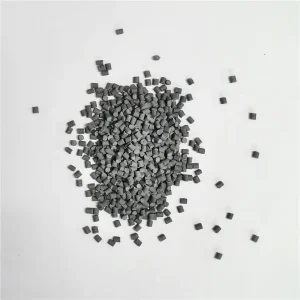
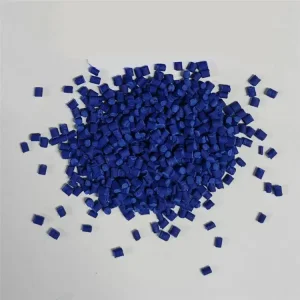
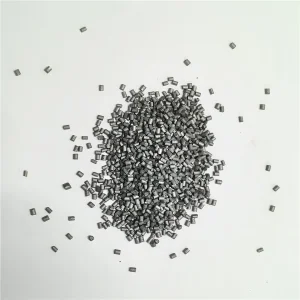
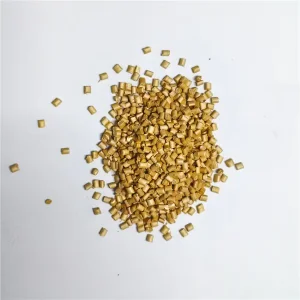
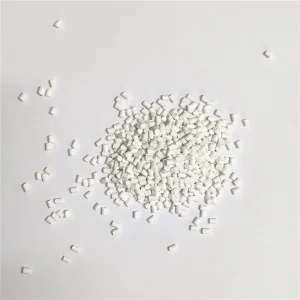
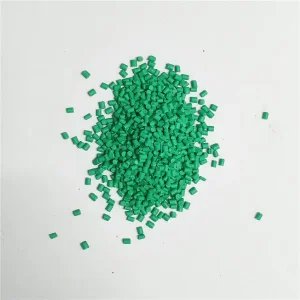
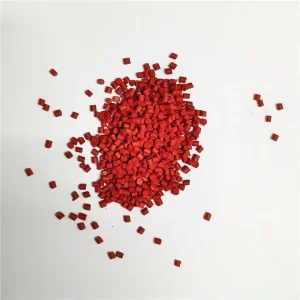
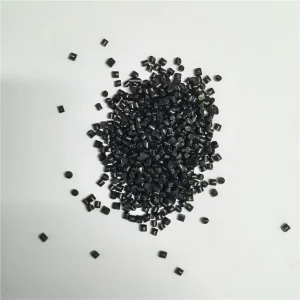
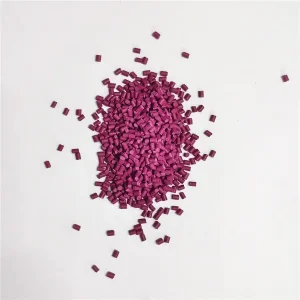
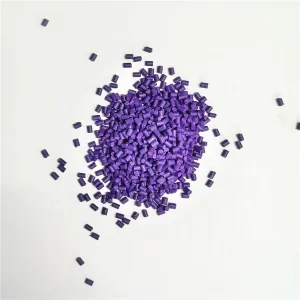
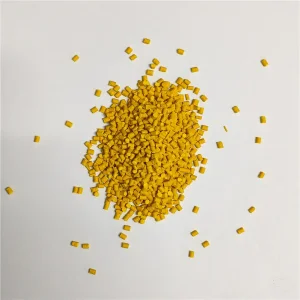
Explore our premium grade PE masterbatches specifically optimized for high-temperature sheet extrusion, blown film, and technical molding.
A comprehensive analysis of polymer thermal dynamics, rheological stability, and advanced color concentrate formulation for global industrial sheet extruders.
In modern thermoplastic processing, continuous high-temperature sheet extrusion represents one of the most demanding thermal environments for polyethylene (PE) formulations. Processing temperatures inside high-output flat die extruders often reach between 220°C and 280°C (and in specialized engineering profiles, up to 300°C), accompanied by high shear forces within twin-screw compounding zones and multi-cavity T-dies. Under these strenuous thermodynamic conditions, standard color concentrates experience pigment degradation, carrier resin chain scission, additive sublimation, surface streaking, and severe die build-up (plate-out).
As leading **custom high temperature extrusion sheet PE masterbatch suppliers & manufacturers**, Changzhou Jiazhou Plastic Products Co., Ltd. addresses these systemic challenges through advanced macromolecular formulation engineering. By synthesizing high-density polyethylene (HDPE) and linear low-density polyethylene (LLDPE) carriers with specialized primary/secondary antioxidants, hindered amine light stabilizers (HALS), and surface-passivated inorganic and organic pigments, our masterbatches deliver absolute color consistency, zero migration, and mechanical integrity across large-format sheet manufacturing.
Analyzing shifting macro trends in rigid packaging, automotive paneling, and construction geomembranes driving demand for high-heat PE colorants.
Global legislation (such as EU Packaging and Packaging Waste Regulation) demands increased usage of Post-Consumer Recycled (PCR) polyolefins. Custom masterbatches must now provide tinting power capable of neutralizing color variance in PCR feedstocks without compromising thermal stability during re-extrusion.
Modern multi-layer extrusion lines operate at take-up speeds exceeding 50 meters per minute. Masterbatch formulations require sub-micron particle dispersion to prevent pinhole formation, surface tear, or gauge variation during sheet orientation and subsequent thermoforming.
Geomembranes, agricultural barrier sheets, and outdoor construction liners demand 10 to 25 years of outdoor durability. High-temperature PE masterbatches must incorporate non-migratory UV blockers and thermal anti-oxidants to withstand extreme environmental stress cracking (ESCR).
Understanding the molecular-level interactions during high-shear twin-screw compounding.
A critical engineering failure in custom sheet extrusion occurs when the carrier resin of the masterbatch possesses a mismatched Melt Flow Index (MFI) relative to the base PE polymer substrate. If the masterbatch carrier melt viscosity is significantly higher than the substrate, poor mixing occurs, resulting in visible color specks and agglomerates. Conversely, if the carrier viscosity is too low, localized phase separation occurs, causing melt fracture and reduced tensile modulus in extruded sheets. Changzhou Jiazhou customizes carrier resin MFI (ranging from 2.0 to 20.0 g/10min at 190°C/2.16kg) to ensure instantaneous shear-thinning and homogeneous dispersion within flat die channels.
To achieve pristine surface quality on extruded sheets, pigment particles must be reduced to primary particle sizes (< 0.5 microns) during compounding. Our facility utilizes triple-stage co-rotating twin-screw extruders with high-shear kneaders. Every batch undergoes strict Filter Pressure Value (FPV) testing according to EN 13900-5 standards. An FPV below 1.2 bar/gram guarantees that melt filtration screens on production lines remain unblocked, eliminating downtime for screen pack changes.
| Property Parameter | Standard Masterbatch | Jiazhou High-Temp Extrusion Grade | Industrial Benefit |
|---|---|---|---|
| Thermal Stability | 180°C - 220°C | 260°C - 300°C Continuous | Zero discoloration or gas generation in high-heat flat dies |
| Carrier Resin Type | Generic Low Grade LDPE | Virgin HDPE / LLDPE Matched | Preserves structural rigidity & impact strength of extruded sheets |
| Pigment Dispersion (FPV) | > 3.0 bar/g | < 1.0 - 1.2 bar/g | Prevents pinholes, streaks, and frequent extruder screen clogs |
| Color Migration Resistance | Grade 3-4 (Moderate) | Grade 5 (Zero Migration) | Safe for food packaging, contact trays, and laminated layers |
| Weathering (Lightfastness) | Blue Wool Scale 4-5 | Blue Wool Scale 7-8 | Resists UV degradation during long-term outdoor exposure |
Key risk factors and quality validation protocols prioritized by international procurement managers.
Global plastics processors serving medical, food contact, or automotive markets require strict compliance. Our masterbatches adhere to FDA 21 CFR, EU No 10/2011, RoHS 3, REACH SVHC, and heavy-metal free standards, backed by full third-party SGS testing reports.
For OEM brand identity, lot-to-lot color variance must be imperceptible. Utilizing Datacolor spectrophotometers, Jiazhou guarantees a strict Delta E (ΔE) < 0.8 tolerance between production batches, eliminating costly customer rejections.
High concentration masterbatch formulas allow lower let-down ratios (LDR of 1% to 3% compared to standard 4-5%). This drastically reduces freight cost, storage footprint, and overall raw material cost per metric ton of extruded sheet.
How Changzhou Jiazhou Plastic Products Co., Ltd. combines smart manufacturing with global supply chain efficiency.
Our twin-screw production lines are integrated with multi-component gravimetric feeders that ensure feeder precision within ±0.2%, maintaining flawless pigment-to-carrier ratio control.
Operating state-of-the-art compounding lines in Changzhou, Jiangsu, yielding high monthly production capacity to serve large-volume OEM procurement contracts without delay.
Founded in 2010, our chemical engineering team brings over 16 years of formulation experience in thermal stabilization, masterbatch physics, and plastics processing optimization.
Located close to Shanghai Port, providing rapid maritime export routes, expedited container loading, and seamless customs documentation for international buyers.
Tailored masterbatch performance across major global industrial sectors.
Extruded HDPE/TPO interior panels require ultra-low VOC emissions and high heat resistance. Jiazhou high-temp masterbatches withstand post-extrusion thermoforming processes up to 260°C without degassing or surface haze.
Thick-gauge PE sheets for civil engineering, land-fill containment, and water reservoirs demand superior carbon black or pigment dispersion to eliminate stress-concentration points and micro-cracks under hydraulic pressure.
Food-contact approved PE and PP sheets extruded at high speed require non-toxic, non-migratory masterbatches that comply with FDA and EU food safety standards while delivering vivid aesthetic appealing tones.
Select from our complete range of anti-fading, heat-resistant PE masterbatch solutions engineered for extrusion and molding.
Addressing core engineering, regulatory, and purchasing queries for high-temperature PE sheet masterbatch applications.
Standard commodity PE masterbatches begin to thermally decompose or undergo pigment hue shifts above 200°C. True high-temperature sheet grade PE masterbatches engineered by Changzhou Jiazhou remain thermally stable between 260°C and 300°C. This is achieved by selecting high-heat organic pigments (such as phthalocyanines, quinacridones, and isoindolines) combined with complex antioxidant stabilization packages that prevent polymer matrix degradation.
The carrier resin acts as the delivery vector for pigments into your polymer melt. Using an incompatible or inferior carrier (such as low-grade wax or mismatched LDPE) decreases the flexural modulus and impact strength of your extruded PE sheet. Jiazhou matches carrier resins specifically to your substrate—utilizing virgin HDPE, LLDPE, or Metallocene PE—to maintain full mechanical properties, tensile strength, and optical uniformity.
Yes. In ABA or ABC co-extrusion sheet lines, layer thickness ratios require precise rheology to prevent inter-layer flow instabilities (wave patterns or viscosity mismatch). Our masterbatches are tailored for multi-layer co-extrusion, ensuring clean layer interfaces, crisp color separation, and minimal let-down ratios (LDR as low as 1-2% in skin layers).
For custom color matching, customers can submit Pantone/RAL color codes or physical target plastic plaques. Our R&D spectrophotometer lab formulates and delivers physical masterbatch samples within 3 to 5 working days. Once approved, standard commercial production orders of 1 to 20 metric tons are processed and dispatched within 10 to 15 days from our Changzhou manufacturing facility.
Pigment blooming or migration occurs when low-molecular-weight colorants or additives crystallize and diffuse to the surface of extruded plastic sheets over time. Jiazhou utilizes high-molecular-weight organic pigments and passivated inorganic oxides anchored within compatible resin networks, achieving Grade 5 non-migration rating suitable for food contact, medical packaging, and laminated structural sheets.