Premium grade PE masterbatches engineered for blown film, injection molding, and complex profile extrusion
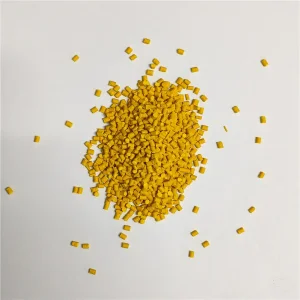
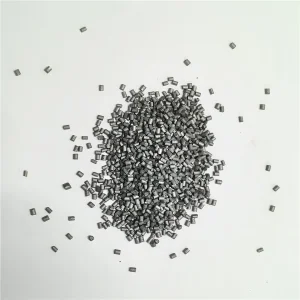
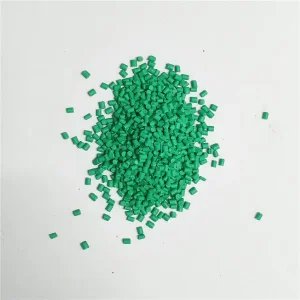
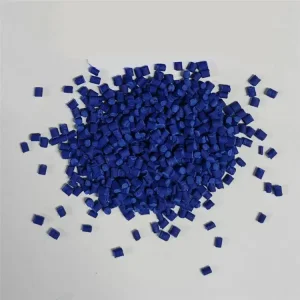
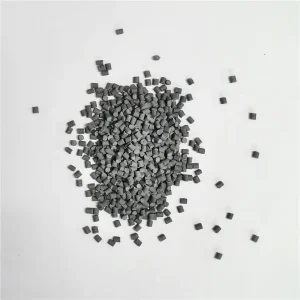
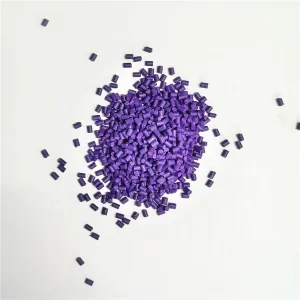
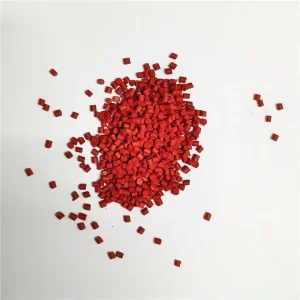
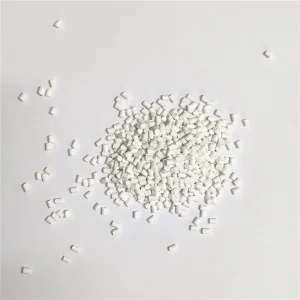
A authoritative analysis of polymer compounding science, pigment physics, and rheological performance
High tinting strength is achieved by reducing organic and inorganic pigment aggregates down to sub-micron particle sizes. Using multi-zone twin-screw extrusion with optimized shear profiles, our manufacturing process ensures uniform distribution throughout the Polyethylene (PE) matrix, eliminating streaks, pinholes, and micro-pitting in ultra-thin blown films.
We strictly select carrier resins—ranging from Low-Density Polyethylene (LDPE) to Linear Low-Density (LLDPE) and High-Density Polyethylene (HDPE)—matching the exact Melt Flow Index (MFI) of the end-user’s base polymer. This ensures zero phase separation, optimal melt viscosity compatibility, and seamless let-down integration.
Formulated with specialized antioxidant packages and heat-stabilized organic chromophores, our PE masterbatches withstand thermal processing temperatures up to 260°C – 300°C without color shift, thermal degradation, or VOC off-gassing during high-speed extrusion cycles.
Traditional color masterbatches require a Let-Down Ratio (LDR) of 4% to 5% to achieve full color opacity. High tinting strength masterbatches utilize hyper-concentrated pigment loads (up to 70% in white titanium dioxide formulations and up to 40% in organic color formulations). By lowering the required LDR to 1% - 2%, plastic converters reduce raw material freight costs, minimize storage footprint, and preserve the original physical-mechanical properties of the virgin PE matrix.
Why modern global supply chains leverage Chinese manufacturing hubs for custom polymer colorants
Chinese manufacturers operate within the world's most comprehensive chemical ecosystems. Direct proximity to major titanium dioxide producers, carbon black synthesis plants, and petro-chemical refineries (providing LDPE/HDPE base resins) drastically reduces supply chain bottlenecks and stabilizes raw material costs, enabling competitive B2B pricing without compromising quality.
Leading factories in Jiangsu (such as Changzhou Jiazhou Plastic Products) utilize state-of-the-art co-rotating twin-screw extruders with computer-controlled gravimetric dosing. Quality assurance laboratories are equipped with X-Rite CI64 Spectrophotometers, Filter Pressure Value (FPV) testers, and Melt Flow Indexers to ensure lot-to-lot color delta E < 0.5.
Engineers in China excel at rapid turnaround custom color matching. Whether matching Pantone, RAL, or physical target samples, custom formulations can be developed, lab-tested, and prepared for trial sampling within 3 to 5 business days, drastically shortening time-to-market for consumer packaging and industrial goods.
With thousands of square meters of dedicated production space and multi-line operational flexibility, Chinese masterbatch companies can effortlessly scale production from small custom batches to multi-container shipments. Strategic proximity to Shanghai and Ningbo ports ensures rapid, reliable global maritime shipping.
Comprehensive parameter comparison for polymer engineers and procurement officers
| Performance Metric | Standard PE Masterbatch | High Tinting Strength PE Masterbatch | Industrial Benefit |
|---|---|---|---|
| Pigment Loading Concentration | 15% – 30% | 40% – 75% | Lower dosage requirements; higher cost efficiency. |
| Recommended Let-Down Ratio (LDR) | 3.0% – 5.0% | 0.8% – 2.0% | Reduces masterbatch inventory volume by up to 60%. |
| Color Difference (Delta E) | ≤ 1.5 | ≤ 0.3 – 0.5 | Exceptional shade consistency across high-volume runs. |
| Filter Pressure Value (FPV) | > 2.5 bar/g | < 0.8 bar/g | Prevents screen pack clogging during high-speed extrusion. |
| Heat Resistance Rating | 200°C – 220°C | 260°C – 300°C | Zero discoloration in high-temp injection molding. |
| Weathering & Lightfastness (Blue Wool) | Grade 4 – 5 | Grade 7 – 8 | Prevents long-term chalking & fading in outdoor applications. |
The technological shifts reshaping masterbatch manufacturing and global polymer markets
As global regulations (such as EU packaging waste directives) enforce Post-Consumer Recycled (PCR) content mandates, masterbatch formulations are evolving. Leading manufacturers design specialized carrier chemistries compatible with recycled PE streams, masking yellowing effects of recycled resin while maintaining mechanical structural integrity.
Modern masterbatches are moving beyond simple color placement. Hybrid "Combo Masterbatches" combine high tinting strength pigments with anti-static agents, UV stabilizers, processing aids, and anti-fogging additives in a single pelletized product, streamlining dosing units on the plant floor.
Global food contact standards (FDA, EU 10/2011) and heavy-metal restrictions (RoHS/REACH) are driving the phase-out of fluorinated processing aids and migrating pigments. Next-generation masterbatches utilize organic, non-blooming, non-migratory colorants safe for food packaging and infant products.
How high-tinting PE masterbatches deliver performance across key processing sectors
Industrial Application: Agricultural greenhouse covers, heavy-duty shipping sacks, courier express bags, and thin food packaging wraps.
Technical Challenge: High-speed film blowing down to 10–15 microns requires zero agglomerates to prevent film tearing and bubble instability.
The Solution: High tinting strength PE white and color masterbatches with FPV under 0.8 bar/g guarantee seamless high-speed extrusion without pinhole defects, providing 100% light opacity at low LDR.
Industrial Application: Automotive interior components, logistics crates, home appliance housings, caps and closures.
Technical Challenge: Preventing warpage, sink marks, and uneven color distribution across complex mold cavities.
The Solution: Low-warpage PE masterbatches using non-nucleating pigments ensure dimensional stability, precise shade fidelity across complex tooling geometry, and short cycle times.
Industrial Application: HDPE municipal water pipes, telecom micro-duct conduits, and corrugated drainage pipes.
Technical Challenge: Maintaining carbon black dispersion for long-term UV resistance (20+ years outdoor lifespan).
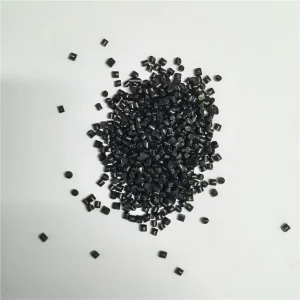
The Solution: P-type Carbon Black PE Masterbatch featuring 40-50% nano-carbon concentration guarantees sub-20nm dispersion, protecting against oxidative degradation and stress cracking.
Industrial Application: Chemical jerrycans, cosmetic bottles, and industrial storage drums.
Technical Challenge: Chemical resistance, anti-environmental stress cracking (ESCR), and non-migration into contained liquids.
The Solution: Formulations using pure LLDPE carrier resins and insoluble high-fastness pigments ensure zero dye migration or chemical reactivity with oils, acids, or detergents.
A structured framework for evaluating and auditing masterbatch manufacturing partners
Verify supplier test certificates for MFI (ISO 1133), Density (ISO 1183), Moisture Content (Karl Fischer Method < 0.1%), and Heat Fastness. Ensure the carrier matches your resin matrix (LDPE/LLDPE/HDPE).
Confirm compliance documentation including SVHC REACH declaration, RoHS 3 directives, FDA 21 CFR food contact certificates, and heavy metal testing (EN71-3) based on end-use market requirements.
Request 1kg – 5kg lab samples for initial Let-Down Ratio (LDR) testing on your production lines. Evaluate dispersion quality, pressure filter value, surface gloss, and tensile mechanical properties.
Explore our full spectrum of custom high-concentration color masterbatches and technical additives
In-depth technical answers for procurement officers, chemical engineers, and manufacturing managers