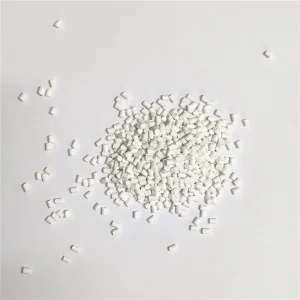
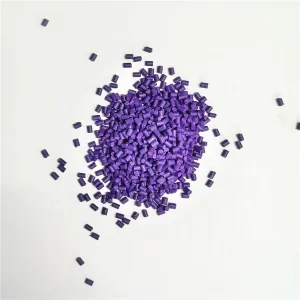
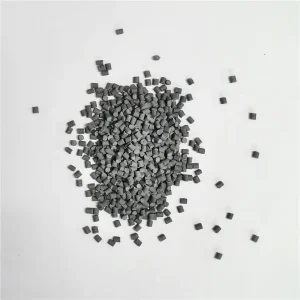
High-concentration, ultra-pure color and additive masterbatches designed for medical devices, healthcare packaging, and precision technical extrusion.
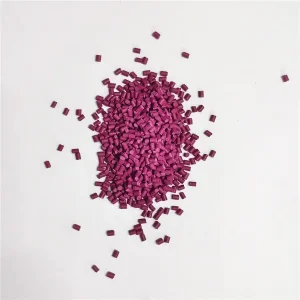
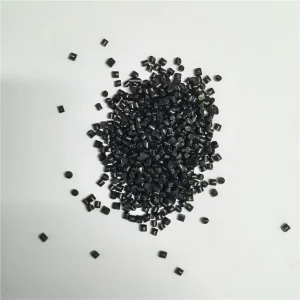
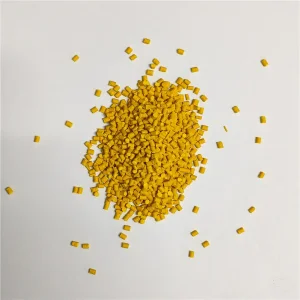
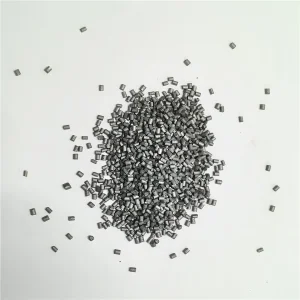
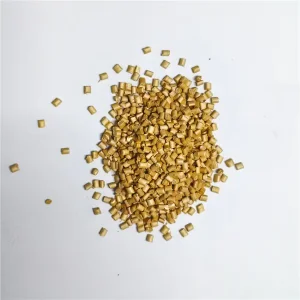
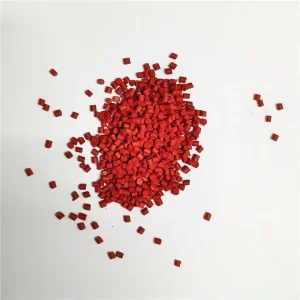
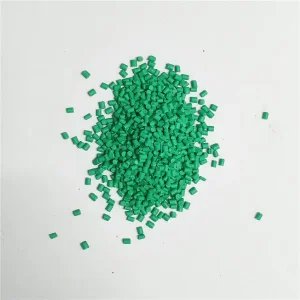
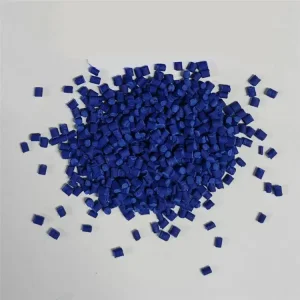
Analyzing the macro forces shaping medical plastics compounding, international regulatory compliance, and risk-mitigated supply chains.
The transition from glass to lightweight, shatter-resistant Polyethylene (HDPE/LDPE) in IV containers, blow-fill-seal (BFS) ampoules, and diagnostic reagent bottles has created a stringent requirement for zero-leachable color concentrates. Medical grade PE masterbatch manufacturers must guarantee pigment purity and absence of low-molecular-weight waxes.
Global original equipment manufacturers (OEMs) demand strict adherence to US FDA 21 CFR 177.1520, EU Regulation 10/2011, and the stringent European Medical Device Regulation (EU MDR 2017/745). Masterbatch factories are now required to file Drug Master Files (DMF) to streamline downstream device approvals.
Medical components are subjected to rigorous terminal sterilization methods, including Gamma Irradiation (up to 50 kGy), Ethylene Oxide (EtO) gas, and Electron Beam (E-beam). Custom medical PE masterbatches must prevent polymer chain scission, yellowing index ($\Delta YI$) drift, and color loss post-sterilization.
Engineering the molecular interface between medical-grade carrier resins, organic pigments, and bioactive functional additives.
To eliminate inter-layer delamination and stress cracking in thin-wall medical extrusion (e.g., micro-bore tubing), the melt flow index (MFI) of the PE masterbatch carrier must precisely match the base resin. Utilizing ultra-pure LLDPE or medical-grade HDPE carriers ensures homogenous melt rheology during high-speed blown film and injection molding processes.
Medical masterbatch formulations exclude non-certified low-molecular-weight polyethylene waxes, zinc stearate, and conventional calcium stearate dispersants. Instead, custom high-purity synthetic lubricants and reactive coupling agents are utilized to achieve sub-micron pigment dispersion without generating toxic extractables.
Only inorganic pigments (such as medical-grade Rutile Titanium Dioxide TiO2, Cobalt Blue, or Iron Oxides) and select high-fastness organic phthalocyanine structures with zero heavy-metal content (Lead, Cadmium, Hexavalent Chromium, Mercury) are validated through ISO 10993-5 (Cytotoxicity) testing.
| Performance Parameter | Standard Industrial Masterbatch | Custom Medical-Grade PE Masterbatch | Testing Standard / Certification |
|---|---|---|---|
| Carrier Resin Purity | Recycled or generic Prime PE | Virgin 100% Medical Grade Polyethylene | FDA 21 CFR 177.1520 / USP Class VI |
| Heavy Metal Limits | < 100 ppm combined (RoHS) | < 5 ppm individual, zero intentional metals | EN 71-3 / CONEG / EP 3.1.3 |
| Sterilization Stability | Prone to discoloration / yellowing | Stabilized against Gamma (50kGy) & EtO | ISO 11137 / ASTM D5208 |
| Dispersant System | PE Waxes, Low-cost Stearates | Non-migratory Medical Grade Additives | ISO 10993-18 (Chemical Characterization) |
| Cleanroom Manufacturing | Standard Industrial Workshop | ISO Class 7 / Class 8 Cleanroom Line | ISO 14644-1 Standards |
Inside the specialized compounding facilities engineered to manufacture ultra-clean plastic colorants for OEM medical device makers.
Leading medical PE masterbatch factories operate dedicated production facilities operating under ISO 13485 quality systems. Standard operating procedures (SOPs) mandate complete lot traceability, strict raw material quarantine, and validated clean-down protocols between production shifts to prevent cross-contamination.
Utilizing high-torque co-rotating twin-screw extruders with specialized length-to-diameter (L/D) ratios up to 48:1. Advanced side-feeders and underwater pelletizing systems minimize thermal degradation of sensitivity pigments, yielding micro-pellets with high uniform geometric dimensions for precision volumetric dosing.
Quality assurance labs employ X-Rite spectrophotometers and computerized color matching (CCM) systems. Tight color tolerance thresholds ($\Delta E_{ab} < 0.30$) are rigorously enforced against master reference standards, alongside automated pressure filter test (FPV) units to guarantee pigment dispersion below 5 microns.
Beyond color: Incorporating advanced active functional properties into medical-grade PE polymer matrices.
For catheter tubing, surgical markers, and implantable PE components, custom masterbatches are formulated with high loadings (30% to 60%) of Barium Sulfate ($\text{BaSO}_4$), Bismuth Oxychloride ($\text{BiOCl}$), or Tungsten. This provides high X-ray visibility under fluoroscopy without compromising extrusion melt stability.
High-speed assembly of medical syringes and IV tubing connectors requires precise control over the coefficient of friction (COF). Non-migratory medical slip masterbatches replace traditional erucamide/oleamide with reactive or permanent siloxane technology to prevent syringe plunger stick-slip behavior.
Enables permanent, high-contrast, dark markings on PE medical devices (syringes, identification bands, diagnostic cartridges) via Nd:YAG or Fiber Laser systems. Eliminates the need for solvent-based printing inks, reducing chemical contamination risks.
Mitigating supply chain risks through regulatory change control agreements and global technical compliance support.
Medical OEMs face costly re-validation procedures if a polymer supplier alters raw material chemistry. Top-tier medical PE masterbatch companies issue binding Change Control Notifications (CCN), guaranteeing zero alterations to pigment grade, additive sourcing, or carrier resin specs without a 12-to-24-month advance written notice.
By establishing US FDA Drug Master Files (DMF Type III for Packaging Components), masterbatch manufacturers allow pharmaceutical clients to reference proprietary masterbatch formulations directly in their Abbreviated New Drug Applications (ANDA) or New Drug Applications (NDA) without revealing trade secrets.
Every shipment is accompanied by comprehensive compliance certificates, including ISO 10993 testing dossiers, USP Class VI certificates, REACH SVHC declarations, RoHS 3 compliance, and BSE/TSE-free (transmissible spongiform encephalopathy) statements to facilitate smooth customs clearing and audit readiness.
Expert insights into common engineering challenges when selecting custom medical-grade PE masterbatches.
Explore our full range of color and functional additive masterbatches engineered for injection molding, blown film, and pipe extrusion.