AUTOMOTIVE POLYMER compounding EXCELLENCE

Custom PE Auto Plastic Parts Masterbatch Company & Factories

High-Precision Coloration, Low-VOC Formulations, and Technical Polymer Compounding for Global Automotive Tier-1 & OEM Manufacturers

Featured Automotive-Grade PE Masterbatch Portfolio

Engineered specifically for polyolefin-based automotive interior, exterior, and under-the-hood components requiring superior weatherability, high heat stability, and zero-migration compliance.
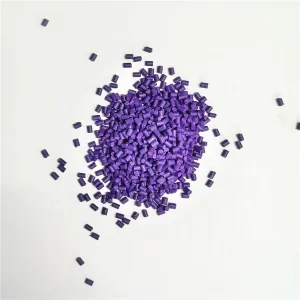
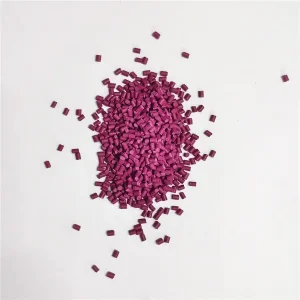
PE Purple Masterbatch Automotive

China High Concentration PE Purple Masterbatch Anti-fading Stable Color

View Product Specs
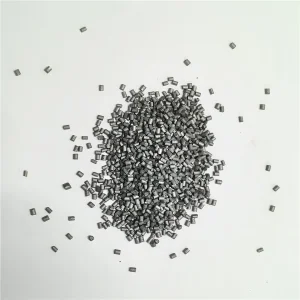
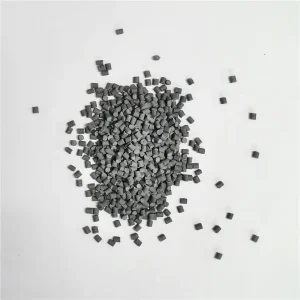
PE Grey Masterbatch Automotive

Custom High Concentration PE Grey Masterbatch Non-migration Heat Resistant

View Product Specs
PE Rose Red Masterbatch Automotive

Cheap High Concentration PE Rose Red Masterbatch Anti-fading Heat Resistant

View Product Specs
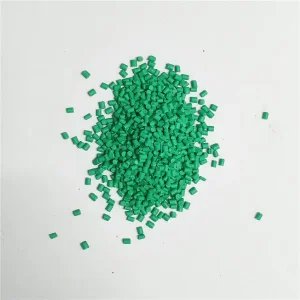
PE Green Masterbatch Automotive

China High Concentration PE Green Masterbatch Anti-fading Heat Resistant

View Product Specs
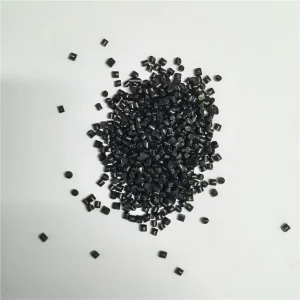
PE Black Masterbatch Automotive

High-Quality High Concentration PE Black Masterbatch Eco-friendly 260°C Heat Resistant

View Product Specs
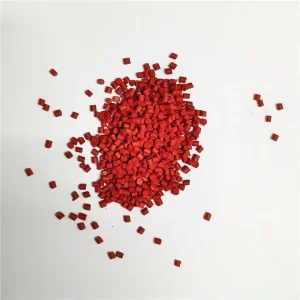
PE Red Masterbatch Automotive

China High Concentration PE Red Masterbatch Bright Color 260°C Heat Resistant

View Product Specs
PE Silver Masterbatch Automotive

Custom High Concentration PE Silver Masterbatch High Weather Resistance

View Product Specs
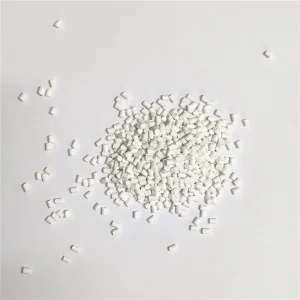
PE White Masterbatch Automotive

High-Quality High Concentration PE White Masterbatch Non-toxic Weather Resistant

View Product Specs
Industry Whitepaper: The Evolution of Custom PE Masterbatch in Automotive Engineering

The global automotive sector is undergoing a structural transition toward structural lightweighting, interior air-quality compliance, and accelerated electrification (EVs). Polyethylene (PE)—spanning High-Density Polyethylene (HDPE), Linear Low-Density Polyethylene (LLDPE), and Ultra-High-Molecular-Weight Polyethylene (UHMWPE)—serves as a primary polymer matrix for fuel systems, underbody protection shields, wheel arch liners, interior trim substrates, and EV battery module enclosures.

Information Gain Insight: Modern automotive OEMs demand far more than mere pigment distribution. Today's custom PE auto plastic parts masterbatch must solve a tri-fold engineering challenge: maintaining sub-micron pigment dispersion to eliminate structural stress raisers, guaranteeing ultra-low volatile organic compound (VOC) emissions (VDA 278 compliance), and ensuring light fastness ($\Delta E < 1.0$) across 3,000+ hours of accelerated Xenon arc weathering (SAE J2527).
16+
Years Industry Expertise
6,000 m²
Compounding Plant
100+
Global OEM Regions
< 0.3
Delta E Spectro Tolerance
Global OEM Procurement Demands

Automotive procurement officers and polymer engineering leads operate under strict zero-defect parameters. Sourcing masterbatch from certified factories requires stringent verification of carrier-to-resin rheological matching. When masterbatch melt flow index (MFI) deviates from the host HDPE/LLDPE resin matrix, phase separation occurs during high-pressure injection molding. This leads to surface delamination, flow lines, compromised impact strength, and premature structural failure in critical auto components.

Low-VOC & Anti-Fogging Standards

Interior automotive components face severe regulatory scrutiny under German VDA 270 (Odor test), VDA 275 (Formaldehyde evaluation), VDA 278 (Thermal Desorption Analysis of VOC/FOG emissions), and DIN 75201 (Fogging behavior). Low-grade wax dispersants in cheap masterbatches vaporize under dashboard operating temperatures, depositing a greasy film on windshields. Engineering automotive-grade PE masterbatch requires pure synthetic carrier resins and specialized low-molecular-weight dispersants designed to resist thermal volatilization.

Technical Engineering: Polymer Physics & Formulation Architecture

Formulating a high-performance PE auto plastic parts masterbatch involves precise micro-encapsulation of inorganic and organic pigments within a matched virgin PE resin matrix. At Changzhou Jiazhou Plastic Products Co., Ltd., our engineering laboratory utilizes high-torque twin-screw extrusion technology to achieve complete primary particle de-agglomeration down to the nanometer scale.

Performance Metric Standard Commercial Masterbatch Jiazhou Automotive-Grade Custom PE Masterbatch OEM Testing Standard / Protocol
Pigment Dispersion Grade Level 3 (Visible microscopic agglomerates) Level 1 (Sub-micron uniform dispersion) ISO 18553 Pressure Filter Test (FPV < 0.5 bar/g)
Thermal Stability 200°C – 220°C (Risk of gas discoloration) 260°C – 300°C High-Heat Resistance DIN EN 12877-2 Thermo-stability test
VOC Emissions (FOG) > 500 µg/g (Causes interior windshield fogging) < 50 µg/g (Ultra-low VOC / Low Odor) VDA 278 Thermal Desorption Analysis
Weathering Fastness Blue Wool Scale 4 - 5 (Fades within 1 year) Blue Wool Scale 7 - 8 / Xenon Arc $\Delta E < 1.0$ SAE J2527 / ISO 4892-2 (3,000 Hours Exposure)
Heavy Metal Compliance Trace contamination risks RoHS, REACH, Halogen-Free, SVHC Compliant ICP-OES Chemical Spectrometry Analysis
High Pigment Concentration Loading

By optimizing pigment wetting agents and controlling screw element shear profiles, Jiazhou achieves pigment loadings of up to 40%–50% in PE black, white, and color masterbatches. This high tinting strength allows auto component molders to achieve full opacity at minimal let-down ratios (LDR of 1.0% to 2.0%), directly lowering raw material procurement costs while preserving the virgin plastic’s mechanical elasticity and tensile strength.

UV Light & Hindered Amine Stabilizers (HALS)

Automotive exterior parts (mudguards, roof rack components, cowl grilles) are continuously exposed to intense solar UV radiation and atmospheric ozone. Our PE auto masterbatch integrates synergistic UV stabilizer packages combining UV absorbers (Benzotriazoles) and Hindered Amine Light Stabilizers (HALS). This dual-action chemical defense prevents polymer chain scission, photo-oxidation, chalking, surface cracking, and color shift.

Anti-Migration & Non-Blooming Technology

Colorant migration occurs when organic pigment molecules solubilize in the polymer phase and diffuse to the surface, causing color transfer to adjacent automotive sub-assemblies. Jiazhou utilizes high-molecular-weight organic pigments combined with specialized surface modification. This guarantees zero dye migration even under prolonged elevated temperatures (100°C+ heat soak tests in engine compartments).

Macro Industry Solutions & Sustainable Technology Roadmap (2026–2030)

As automotive original equipment manufacturers push toward carbon-neutral vehicle lifecycles, plastic compounding factories must evolve beyond standard virgin resin coloring. Future-proof masterbatch solutions integrate circular economy principles, NIR-detectable black pigments for automated recycling sorting, and bio-based PE carriers.

PCR & PIR Recycled Polyolefin Upcycling

Global regulations (such as European Union end-of-life vehicle mandates) mandate the incorporation of Post-Consumer Recycled (PCR) and Post-Industrial Recycled (PIR) plastics in new automobiles. Recycled PE often suffers from yellowing, structural degradation, and odorous impurities. Jiazhou’s specialized functional masterbatch upcycles PCR feeds by restoring color uniformity, introducing thermal antioxidants, and neutralizing residual odorous volatiles.

NIR-Detectable Near-Infrared Black Masterbatch

Traditional carbon black masterbatch absorbs Near-Infrared (NIR) radiation, making black automotive components invisible to automated optical sorting equipment at recycling plants. Jiazhou’s innovative NIR-detectable PE black masterbatch provides deep jet-black coloration while allowing spectral reflection in the 700–1100 nm range, enabling automated sorting and circular closed-loop recovery of end-of-life auto parts.

Smart Functional Combo Masterbatches

To reduce processing complexity for automotive molders, Jiazhou blends colorants and technical performance additives into single-pellet "combo" formulations. These multi-functional masterbatches integrate permanent anti-static additives, processing aids (fluoropolymer PPA), laser marking additives, and flame retardants into custom PE carriers—eliminating multi-dosing dosage errors on injection molding floors.

Enterprise Infrastructure, Quality Control & Global Footprint

Established in 2010, Changzhou Jiazhou Plastic Products Co., Ltd. brings over 16 years of direct manufacturing experience to the international plastics and automotive masterbatch supply chain. Located in the strategic industrial hub of Changzhou, Jiangsu Province, China, our 6,000 square meter production facility is equipped with automated compounding equipment, advanced spectrophotometry laboratories, and strict quality control processes.

Lab-Grade Quality Assurance & Spectrophotometry
  • Precision Color Matching: Datacolor 800 Benchtop Spectrophotometer utilizing CIELAB ($\Delta E^*_{ab} < 0.3$) color difference calculations.
  • Thermal Stability Testing: Thermogravimetric Analysis (TGA) and Differential Scanning Calorimetry (DSC) for thermal decomposition profiling up to 600°C.
  • Rheological Verification: Melt Flow Index (MFI) testers ensuring batch-to-batch flow compatibility with client base resins.
  • Chemical Traceability: Fully documented batch control system with retained samples stored for 3 years post-shipment.
Global OEM Logistics & Regulatory Compliance

Exporting to over 100 countries across Europe, North America, Southeast Asia, and the Middle East, Jiazhou provides localized compliance documentation for seamless customs clearance and automotive OEM approval:

  • Full REACH Registration & SVHC chemical safety declaration.
  • RoHS Directive 2011/65/EU and Amendment (EU) 2015/863 heavy metal testing.
  • IATF 16949:2016 aligned production control procedures.
  • Packaging options: 25kg moisture-proof aluminum foil bags, 1-ton bulk octabins, and customized vacuum packaging.
Changzhou Jiazhou Plastic Products Co., Ltd. — Direct Factory Headquarters

Factory Address: No. 4-3, Shengli Road, Buyi, Zouqu Town, Zhonglou District, Changzhou, Jiangsu Province, China

Direct Technical Support Hotline: +86-15861161116 / +86-17768388359

Engineering & Inquiry Emails: [email protected] | [email protected]

Full Polyolefin Color & Functional Masterbatch Catalog

Select from our comprehensive series of custom PE masterbatch formulations engineered for injection molding, blown film extrusion, profile compounding, and high-speed blow molding.
PE Green Masterbatch Automotive

China High Concentration PE Green Masterbatch Anti-fading Heat Resistant

View Technical Details
PE Black Masterbatch Automotive

High-Quality High Concentration PE Black Masterbatch Eco-friendly 260°C Heat Resistant

View Technical Details
PE Red Masterbatch Automotive

China High Concentration PE Red Masterbatch Bright Color 260°C Heat Resistant

View Technical Details
PE Silver Masterbatch Automotive

Custom High Concentration PE Silver Masterbatch Anti-fading Weather Resistance

View Technical Details
PE White Masterbatch Automotive

High-Quality High Concentration PE White Masterbatch Non-toxic Weather Resistant

View Technical Details
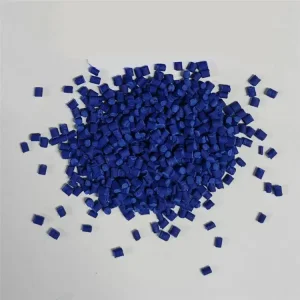
PE Blue Masterbatch Automotive

High-Quality High Concentration Blue Masterbatch PE Carrier for Plastic Injection

View Technical Details
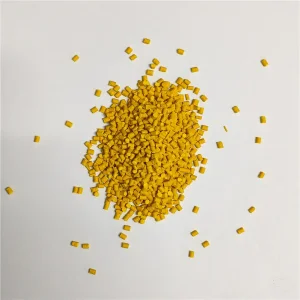
PE Yellow Masterbatch Automotive

Cheap High Concentration PE Yellow Masterbatch Non-toxic Anti-migration

View Technical Details
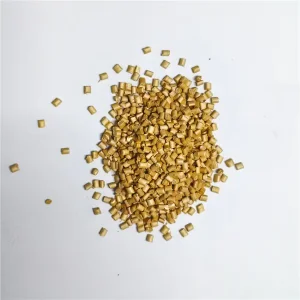
PE Gold Masterbatch Automotive

Custom High Concentration PE Gold Masterbatch Anti-fading Heat Resistant

View Technical Details
Frequently Asked Questions: Technical Masterbatch Engineering

Expert answers to critical technical questions regarding masterbatch selection, let-down ratios, OEM compliance, and polyolefin processing troubleshooting.

Q1: How does carrier resin selection impact the mechanical integrity of automotive PE parts?
The carrier resin of a masterbatch acts as the molecular bridge between the concentrated pigment particles and the host automotive plastic. If the carrier resin has an incompatible Melt Flow Index (MFI) or lower density than the base resin (e.g., using a high-MFI LDPE carrier inside a structural LLDPE/HDPE auto fuel tank layer), localized phase separation occurs. This reduces ESCR (Environmental Stress Crack Resistance), impact toughness, and weld-line strength. Jiazhou custom-formulates carrier resins matching the exact polymer grade of your target application.
Q2: What causes "blooming" or surface migration in colored interior auto parts, and how does Jiazhou prevent it?
Blooming is caused by low-molecular-weight organic dyes or wax dispersants dissolving into the hot polymer matrix during molding and subsequently crystallizing out onto the part surface as it cools. This produces an unsightly powdery haze or greasy film that fails VDA 278 fogging tests. Jiazhou eliminates blooming by employing high-molecular-weight, highly insoluble organic pigments combined with polymeric hyper-dispersants that physically lock the colorant inside the PE matrix.
Q3: What is the recommended Let-Down Ratio (LDR) for Jiazhou high-concentration masterbatch?
Thanks to our high pigment loading technology (up to 50% pigment density), standard injection molding and blow molding applications achieve full color opacity and color consistency at an LDR of 1.0% to 2.0% (1kg to 2kg masterbatch per 100kg virgin resin). For thin-film applications or high-speed extrusion profiles, LDR can be adjusted between 1.5% and 3.0% depending on required opacity and UV stability specs.
Q4: How does Jiazhou ensure color matching accuracy across global OEM plant locations?
We utilize Datacolor 800 spectrophotometers operating in the CIELAB color space. Every masterbatch formulation is matched against standard target physical plaques under D65, A, and F11 light sources to eliminate metamerism (color shifting under different light sources). Standard production tolerances are strictly maintained at $\Delta E^*_{ab} < 0.3$. Master samples and digital spectrophotometric data sheets are archived for every client batch.
Q5: Can Jiazhou supply combined color and functional additive masterbatch pellets?
Yes. Jiazhou specializes in single-pellet "combo" formulations. Rather than dosing separate color masterbatch, UV stabilizers, anti-static agents, and processing aids on your molding floor, we incorporate all required functional additives directly into a unified custom PE pellet—ensuring uniform chemical dispersion and reducing raw material handling steps.
Q6: What is the typical lead time for custom OEM masterbatch development and delivery?
Color matching and lab sample generation are completed within 3 to 5 working days upon receiving your target sample or Pantone/RAL code. Once approved, full-scale production orders (1 to 20 metric tons) are processed and dispatched within 10 to 15 calendar days from our Changzhou manufacturing facility.