Engineered with premium Polyethylene (PE) carriers, offering superior pigment dispersion, heat stability up to 260°C, and exceptional weatherability across blown film, injection, and extrusion lines.
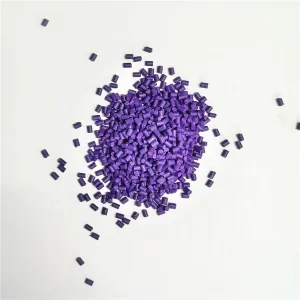
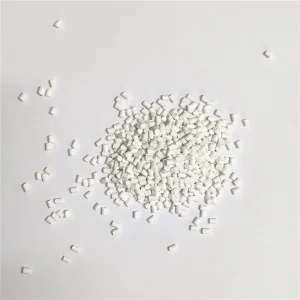
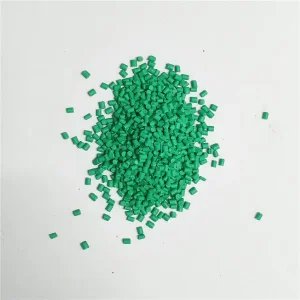
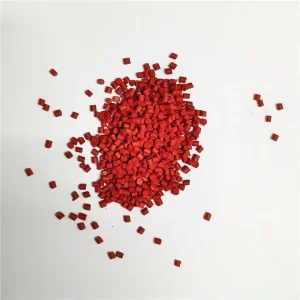
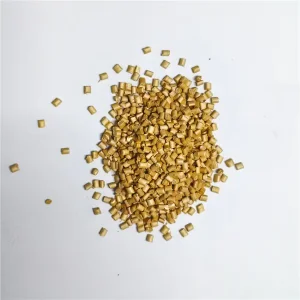
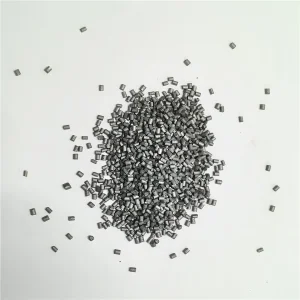
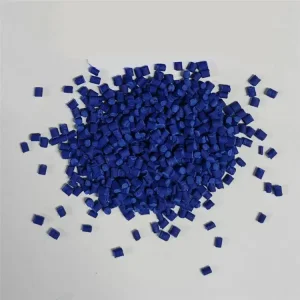
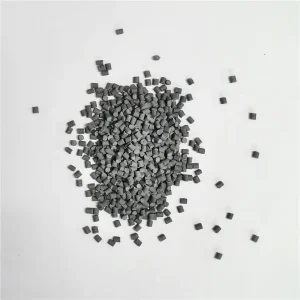
Understanding the micro-dispersion physics, interfacial tension optimization, and thermomechanical stability in high-concentration Polyethylene color concentrates.
The selection of the carrier resin matrix—whether Low-Density Polyethylene (LDPE), Linear Low-Density Polyethylene (LLDPE), High-Density Polyethylene (HDPE), or Metallocene PE—dictates the rheological melt behavior during secondary processing. Custom PE color compounding requires matching the Melt Flow Index (MFI) of the masterbatch precisely to the host resin. This eliminates phase separation, weld-line weaknesses, and surface haze while ensuring homogeneous color dispersion under minimal screw shear energy.
Achieving a ΔE color tolerance below 0.3 requires breaking primary pigment agglomerates down to sub-micron particle sizes. Utilizing twin-screw co-rotating extruders with specialized kneading and shear blocks, custom PE compounds incorporate surface-wetting agents (such as micronized polyethylene waxes and organosilanes). This prevents re-agglomeration during cooling, preserving tensile elongation, impact strength, and optical brilliance in ultra-thin blown films.
During processing temperatures exceeding 260°C, raw pigments and PE matrices are vulnerable to thermal degradation, thermo-oxidative chain scission, and color shifting. State-of-the-art custom PE color compounds integrate Synergistic Primary Antioxidants (Sterically Hindered Phenols) and Secondary Antioxidants (Phosphites), combined with Hindered Amine Light Stabilizers (HALS) and UV Absorbers (Benzotriazoles). This chemical defense network guarantees long-term outdoor weatherability and color stability.
Analysis of regulatory mandates, circular economy integration, and technological innovations shaping the global plastic coloring market.
With global legislation like the EU Packaging and Packaging Waste Regulation (PPWR) enforcing minimum recycled content thresholds, custom PE compound manufacturers are facing a shift. PCR PE resin inherently possesses batch-to-batch color variations, residual odor, and thermal history degradation. Modern color compounding companies must engineer high-opacity masterbatch solutions—specifically optimized White (TiO2), Black (Carbon Black), and specialized chromatic compounds—that mask gray/yellow underlying PCR tones while restoring mechanical impact properties.
Traditional carbon black masterbatches absorb NIR radiation, rendering black plastic packaging invisible to automated optical sorting systems in recycling facilities. The industry is rapidly adopting Near-Infrared (NIR) detectable black color compounds. Manufactured with specialized organic pigments, these custom PE compounds allow high-speed optical sorters to identify HDPE and LLDPE substrates accurately, ensuring full compliance with extended producer responsibility (EPR) frameworks.
Global brand owners and OEM manufacturers demand absolute chemical safety compliance. Heavy metals (Lead, Cadmium, Hexavalent Chromium), phthalates, and primary aromatic amines (PAAs) are being phased out globally. High-end custom PE color compound manufacturers utilize non-toxic, food-contact approved organic and inorganic pigments that strictly adhere to US FDA 21 CFR 178.3297, EU Regulation 10/2011, RoHS 3.0 directives, and REACH SVHC candidate lists.
The market is moving away from single-function color concentrates toward multifunctional custom PE compounds. Modern plastic converters demand single-addition solutions that combine vibrant colorants with processing aids (PPA), anti-static agents, anti-block additives, slip agents (erucamide/oleamide), and antimicrobial treatments. This integration reduces inventory complexity for manufacturers and eliminates metering errors on production lines.
A comprehensive comparison for procurement directors and chief polymer engineers evaluating compounding strategies for large-scale plastic manufacturing.
| Evaluation Factor | Raw Powder Pigment Direct Mixing | Generic Off-the-Shelf Masterbatch | Engineered Custom PE Color Compound |
|---|---|---|---|
| Color Consistency (ΔE Tolerance) | Poor (ΔE > 2.0) - High dust loss & un-dispersed specks | Moderate (ΔE 0.8 – 1.5) - Inconsistent batching | Superior (ΔE < 0.3) - Spectrophotometer verified |
| Dosing Accuracy & Handling | Severe dust contamination, safety hazards, high cleaning downtime | Standard pellet dosing, potential carrier incompatibility | Direct 1:1 or concentrated pellet addition, zero dust contamination |
| Mechanical Property Retention | Significant drop in impact & tensile strength due to stress risers | Variable impact dependent on carrier resin MFI matching | Zero loss in mechanical performance; optimized resin compatibility |
| Filter Pressure Value (FPV) | High filter screen clogging (> 3.5 bar/g) | Moderate filter clogging (1.5 – 2.5 bar/g) | Ultra-low filter pressure value (< 0.8 bar/g) for fine blown film |
| Thermal Stability Rating | Pigment breakdown occurs at lower process temps (< 200°C) | Standard heat resistance (200°C - 220°C) | Engineered up to 260°C - 300°C continuous processing |
| Total Cost of Ownership (TCO) | High scrap rates, heavy equipment wear, high labor cleaning costs | Moderate upfront cost, medium scrap risk | Lowest TCO via maximum machine uptime, low let-down ratios (1-4%) |
Combining 16+ years of specialized compounding expertise, ISO-certified quality protocols, and advanced digital extrusion infrastructure to deliver global supply chain security.
At Changzhou Jiazhou Plastic Products Co., Ltd., production lines feature computerized loss-in-weight gravimetric feeding systems. This equipment controls the ratio of virgin resin, micronized pigments, functional additives, and dispersants with zero tolerance for human error. High-shear co-rotating twin-screw extruders feature multiple side-feeders and vacuum degassing zones, stripping volatile organic compounds (VOCs) and moisture to guarantee void-free color pellets.
Every production batch manufactured within Jiazhou's 6,000 m² facility undergoes dual verification testing. Utilizing spectrophotometers under CIE L*a*b* color space standards, melt flow indexers (MFI), differential scanning calorimetry (DSC), and pressure filter value (PFV) testing rigs, we ensure batch-to-batch color delta E < 0.3. This rigorous QA environment guarantees zero lot-to-lot shade variation for continuous long-term manufacturing contracts.
Speed to market is a critical competitive advantage. Changzhou Jiazhou maintains a color library exceeding 15,000 distinct formulations (including precise Pantone, RAL, and customer-supplied target sample matches). Our laboratory team delivers physical color plaque samples and lab-matched masterbatch samples within 3 to 5 business days, accelerating our global clients' product development cycles.
Located in Changzhou, Jiangsu, Jiazhou operates at the heart of Eastern China's advanced polymer cluster. Direct proximity to major deep-water ports (Shanghai and Ningbo) enables seamless containerized shipping logistics. Exporting to over 100 countries across Europe, North America, Southeast Asia, and the Middle East, our international trade department handles full regulatory documentation, including REACH certificates, RoHS reports, and Certificates of Analysis (COA).
Specific processing parameter recommendations for key polymer converting processes utilizing custom Polyethylene masterbatch concentrates.
Applications: Packaging films, agricultural mulches, geomembranes, heavy-duty shipping sacks, courier bags.
Technical Requirements: Ultra-fine dispersion (PFV < 1.0 bar/g) to prevent film pinholes, blowouts, and tear lines. Demands high opacity at thin gauges (15 – 50 microns) with non-migratory slip/anti-block additives.
Applications: Automotive interior components, heavy crates, caps & closures, logistics pallets, consumer electronics.
Technical Requirements: Zero dimensional warping or isotropic shrinkage. High thermal degradation resistance up to 260°C – 280°C. Excellent flowability to prevent short-shots in multi-cavity molds.
Applications: Municipal potable water pipes, natural gas conduits, corrugated drainage pipes, cable insulation.
Technical Requirements: Category 1 carbon black dispersion (microtome slice evaluated) for UV weathering protection; long-term hydrostatic strength (LTHS) retention over 50-year service life.
Applications: Industrial chemical drums, IBC tote tanks, cosmetics bottles, food sauce containers.
Technical Requirements: Environmental Stress Crack Resistance (ESCR) preservation, food contact approval (FDA/EU), zero dye migration into chemical solutions or oily emulsions.
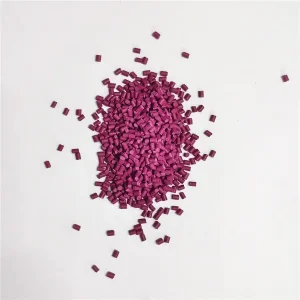
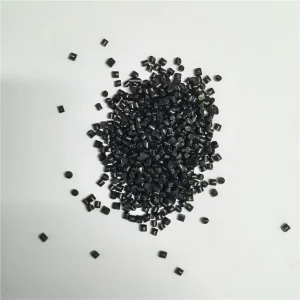
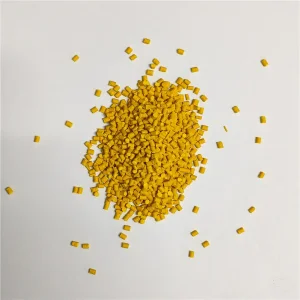
Explore our complete product series designed to meet exact industrial standards, high tinting strength, and custom color engineering requirements.
Expert insights addressing key technical, purchasing, and processing questions for custom Polyethylene color compounds.