Optimized for blow molding, extrusion, and injection of high-end cosmetic containers, personal care packaging, and pharmaceutical PE bottles.
The global cosmetic packaging sector is undergoing a profound paradigm shift driven by stringent regulatory frameworks, eco-conscious consumer expectations, and demanding visual aesthetic trends. Polyethylene (PE)—encompassing High-Density Polyethylene (HDPE), Low-Density Polyethylene (LDPE), and Linear Low-Density Polyethylene (LLDPE)—remains the backbone of squeeze bottles, lotion containers, shampoo carafes, and cosmetic closure systems. However, processing virgin or recycled PE into flawless cosmetic-grade containers introduces critical engineering challenges that can only be resolved through specialized, high-grade color and functional masterbatches.
Global cosmetic OEMs, packaging converters, and brand owners face multifaceted operational hurdles during the blow molding (EBM/IBM) and injection molding of PE cosmetic bottles:
Cosmetic formulations containing essential oils, surfactants, organic solvents, and active compounds can leach low-molecular-weight pigments or waxes from poor masterbatches, compromising formula safety and bottle integrity.
Improper pigment carrier resins or agglomerated fillers alter the crystalline morphology of HDPE bottles, triggering premature stress cracking along seam lines under pressurized cosmetic dispensing.
Sub-standard pigment dispersion leads to localized stress points, fish-eyes, streaks, and wall thickness variations in high-speed Extrusion Blow Molding (EBM) operations.
Achieving optical brilliance, opacity, and barrier protection in thin-walled PE cosmetic packaging requires sophisticated compounding techniques. Below is our engineering roadmap for custom masterbatch production.
| Technical Metric | Standard Grade Masterbatch | Jiazhou Cosmetic Bottle Grade PE Masterbatch | Testing Protocol / Compliance standard |
|---|---|---|---|
| Pigment Loading Concentration | 20% - 35% | 40% - 75% High-Concentration | ISO 3451-1 Ash Content Standard |
| Thermal Stability | Up to 200°C | 260°C - 300°C Heat Resistant | DIN EN 12877 Thermal Endurance |
| Color Variation Tolerance | ΔE < 1.5 | ΔE < 0.3 (Ultra-Consistent) | CIELAB Spectrophotometer Measurement |
| Pigment Dispersion Index | Filter Value > 2.5 bar/g | Filter Value < 0.8 bar/g (Zero Streak) | EN 13900-5 Pressure Filter Test |
| Heavy Metal & Phthalate Content | Basic Trace Levels | Zero Detectable (Food & Cosmetic Safe) | FDA 21 CFR 177.1520 / EU 10/2011 / RoHS |
| Migration Resistance Grade | Grade 3-4 | Grade 5 (Non-Bleeding / Non-Migration) | ISO 105-X12 Grey Scale Evaluation |
Our research lab focuses on key interfacial phenomena between organic/inorganic pigments and the polyethylene macromolecular matrix:
A. Advanced Hyper-Dispersant Technology: We incorporate non-migrating oligomeric dispersants that encapsulate micro-pigment particles down to sub-micron scales. This eliminates agglomeration, guaranteeing uniform tinting without affecting bottle surface gloss or tactile smoothness.
B. UV Shielding & Anti-Degradation Additive Integration: Cosmetic products sensitive to light degradation require functional barriers. Our PE masterbatch lines can be co-formulated with Hindered Amine Light Stabilizers (HALS) and UV absorbers, protecting both the container and internal cosmetic formulations from UV-A and UV-B spectrum radiation.
Pioneering sustainable, smart, and circular masterbatch technologies tailored for next-generation cosmetic packaging.
Development of specialized compatibilizing masterbatches designed to seamlessly blend Post-Consumer Recycled PE (rPE) with virgin resins, neutralizing odor impurities and restoring structural clarity in recycled cosmetic bottles.
Implementation of Near-Infrared (NIR) reflective black masterbatch systems allowing automated optical sorting systems in municipal recycling facilities to easily detect, separate, and process black PE cosmetic containers.
Commercialization of 100% bio-based carrier masterbatches derived from renewable sugarcane PE, integrated with active oxygen scavenging and anti-microbial surface properties for organic cosmetics.
Cosmetic packaging masterbatches operate at the intersection of chemical control and personal safety regulations. As a dedicated exporter supplying over 100 countries, Changzhou Jiazhou Plastic Products Co., Ltd. provides robust documentation and compliance assurance for multinational brand audits.
Every raw pigment, carrier resin, and processing additive utilized in our PE cosmetic masterbatches undergoes exhaustive screening against SVHC (Substances of Very High Concern) under EU REACH rules.
Formulations intended for direct or indirect personal care contact conform fully to US FDA standards, guaranteeing non-toxicity, zero heavy metal leaching (Pb, Cd, Hg, Cr VI), and chemical inertness.
We provide localized technical assistance, sample fast-tracking within 3 to 5 days, custom color matching (Pantone / RAL), and on-site extrusion troubleshooting for global container manufacturers.
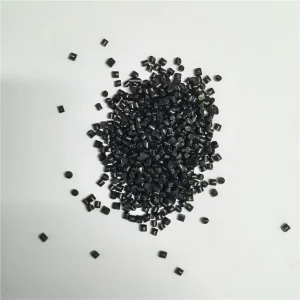
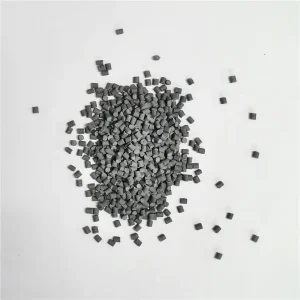
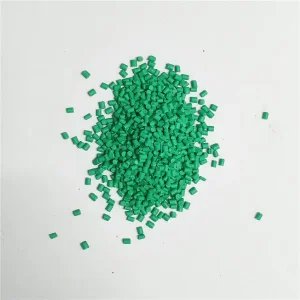
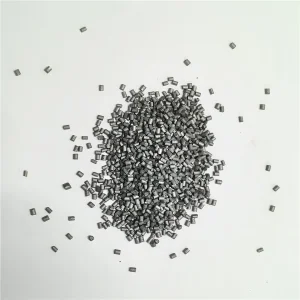
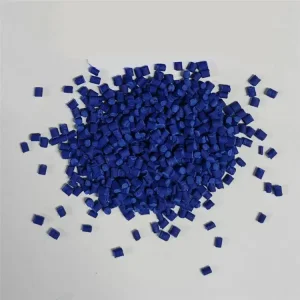
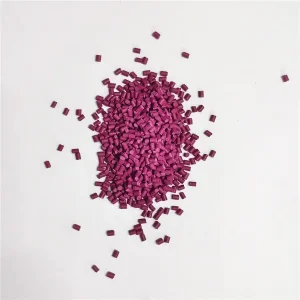
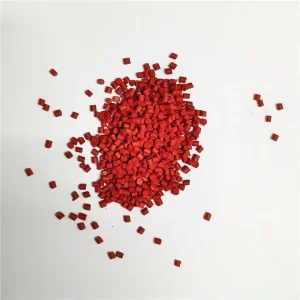
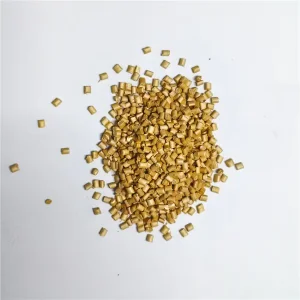
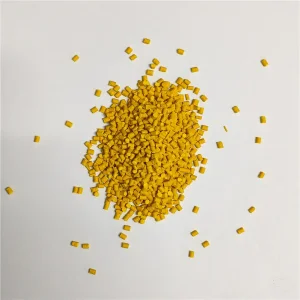
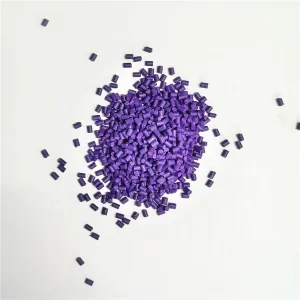
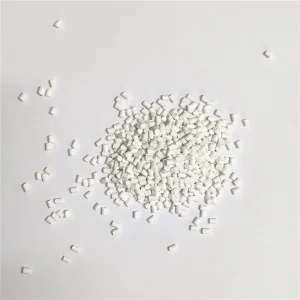
Select from our comprehensive list of high-concentration color masterbatches designed for blown film, injection molding, and container extrusion.
In-depth technical answers regarding custom PE cosmetic bottle masterbatch processing, compatibility, and quality control.
Pigment particles act as nucleation sites during PE crystallization. Sub-standard masterbatches with coarse pigment particles or unmatched low-quality carrier wax disrupt the polymer crystalline structure, lowering ESCR. Jiazhou uses narrow-molecular-weight virgin PE carrier resins and sub-micron pigment dispersions to preserve the native ESCR properties of the HDPE base resin.
Depending on wall thickness and opacity requirements, our high-concentration masterbatches operate at a low let-down ratio of 1% to 4%. For semi-translucent soft-squeeze tubes, a 1.0% to 1.5% dosage is typical; for high-opacity white or dark lotion bottles, a 2.0% to 4.0% dosage achieves full coverage without surface streakiness.
Yes. Our color lab utilizes computer-aided spectrophotometers and high-shear twin-screw extruders to formulate metallic silver, pearlescent gold, iridescent, and soft-touch tactile effect masterbatches. We utilize non-tarnishing, non-migrating mica and synthetic substrates specifically engineered for PE Extrusion Blow Molding (EBM).
Every manufacturing batch undergoes rigorous spectral verification (CIELAB color space evaluation) against the approved master sample under D65, A, and TL84 light sources. We maintain strict control with a Delta E limit of less than 0.3, ensuring identical bottle coloration across multi-year purchasing orders.
Absolutely. All raw components comply fully with REACH, RoHS, FDA 21 CFR 177.1520, and EU Directive 10/2011. Heavy metal content (Lead, Cadmium, Mercury, Hexavalent Chromium) is strictly zero-detectable, making them perfectly safe for premium skincare, body wash, and pharmaceutical bottles.
Upon receiving target physical samples or Pantone/RAL numbers, our laboratory formulates, extrudes, and dispatches custom color plaques within 3 to 5 business days. Full-scale commercial production orders are completed and dispatched within 10 to 15 days.