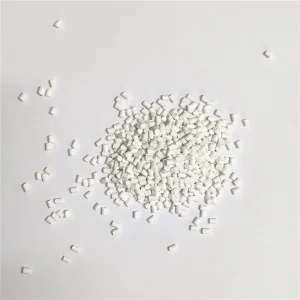
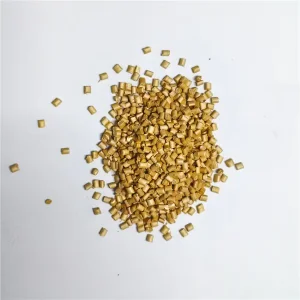
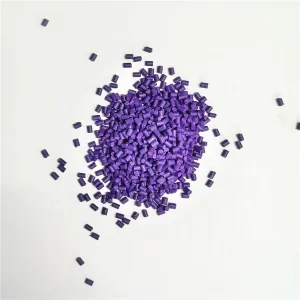
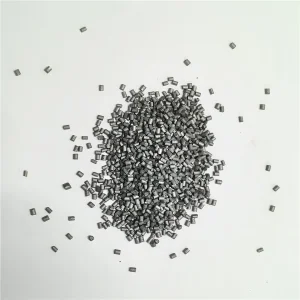
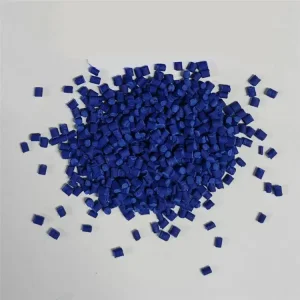
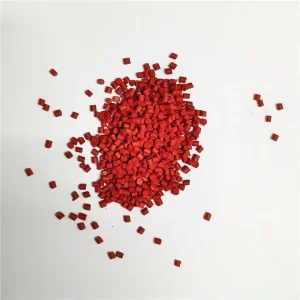
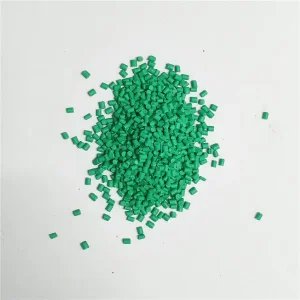
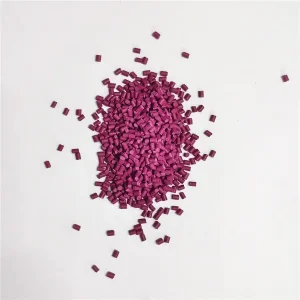
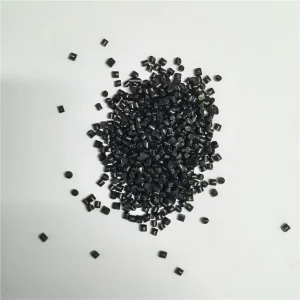
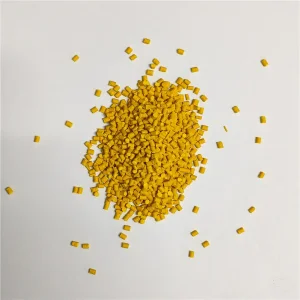
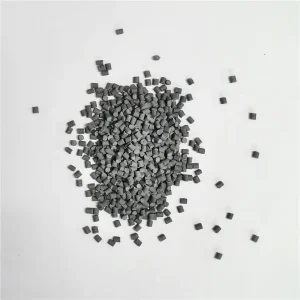
Engineered specifically for high-speed cast film extrusion, blown film, and high-tensile packaging applications. Formulated with high-purity PE carriers, offering maximum pigment concentration, ultra-low FPV (Filter Pressure Value), and zero migration.
In the rapidly evolving global flexible packaging domain, stretch cast film extrusion represents the pinnacle of high-speed plastic conversion technology. Unlike traditional blown film operations, high-output cast film lines operate at linear speeds exceeding 500 to 800 meters per minute, subjecting polymer melt formulations to extreme shear stress, rapid chill-roll quenching, and severe neck-in pressures. As a premier Custom Stretch Cast Film PE Masterbatch Factory & Manufacturer, Changzhou Jiazhou Plastic Products Co., Ltd. bridges the gap between advanced polymer physics and scalable industrial compounding.
Achieving optimal stretchability, puncture resistance, optical transparency, and controlled cling dynamics requires meticulous masterbatch carrier selection. Standard masterbatches often introduce melt fracture, gel pinholes, or phase separation when subjected to pre-stretch ratios above 300%. Our specialized Polyethylene (PE) masterbatches utilize metallocene Linear Low-Density Polyethylene (mLLDPE) and fractional Melt Flow Index (MFI) C8-octene carrier resins specifically engineered to match the rheological behavior of host resins in multi-layer co-extrusion architectures.
Matching the Melt Flow Index (MFI) of the masterbatch carrier with the base substrate resin is vital to prevent layer delamination and thickness variation across the die width. Our cast film masterbatches feature melt index values tightly controlled between 5.0 and 12.0 g/10 min (ASTM D1238, 190°C/2.16 kg), eliminating interfacial instability in high-output cast dies.
Agglomerates exceeding 5 microns are catastrophic for thin cast stretch films (8 µm – 23 µm), causing web breaks and micro-pinholes under machine stretching. Utilizing triple-stage twin-screw co-rotating compounding extruders, our masterbatch achieves full nano-scale de-agglomeration of pigments and functional additives.
An analysis of international procurement demands, regulatory frameworks, and performance requirements across regional stretch packaging markets.
Western buyers demand ultra-thin cast stretch wrapping films (6 µm to 12 µm) with integrated Post-Consumer Recycled (PCR) content. Our masterbatches deliver processing aids (PPA) and anti-oxidants that neutralize polymer degradation in recycled resins while maintaining high tensile strength (ASTM D882).
Rapid e-commerce expansion in developing regions drives the demand for high-tack, high-clarity pallet wrap. Masterbatch formulations must ensure fast Polyisobutylene (PIB) migration rates for immediate tackiness in variable tropical and humid storage climates.
Heavy-duty agricultural stretch films require intensive weatherability. Our opaque white, black, and green masterbatches incorporate advanced Hindered Amine Light Stabilizers (HALS) offering guaranteed 12 to 24 months UV resistance in extreme solar radiation zones.
Leveraging China's world-class petrochemical downstream ecosystem to provide rapid custom formulation, unmatched scale, and cost efficiency.
Located in Changzhou, Jiangsu Province, Changzhou Jiazhou Plastic Products Co., Ltd. sits at the heart of East China's chemical innovation corridor. Close proximity to major container ports (Shanghai and Ningbo) allows seamless export operations to over 100 countries with standard lead times under 15 days.
| Performance Metric | Changzhou Jiazhou Masterbatch | Standard Market Alternatives |
|---|---|---|
| Carrier Polymer | 100% Virgin mLLDPE / C8 LLDPE | Generic Low-Grade LDPE / Off-spec |
| Pigment Loading | Up to 70% Titanium Dioxide / 50% Carbon | 30% - 40% Standard Concentration |
| Dispersion (FPV) | < 0.2 bar/g (25 µm mesh) | 0.8 - 1.5 bar/g |
| Thermal Stability | Stable up to 280°C - 300°C | Degrades above 240°C |
| Sampling Lead Time | 48 to 72 Hours Custom Matching | 2 to 3 Weeks |
Modern cast stretch film lines rely on 3-layer, 5-layer, 7-layer, or nano-layer extrusion structures. Strategic masterbatch placement optimizes film performance while controlling raw material costs.
Requires specialized Liquid PIB Masterbatch or solid ultra-low density polyolefin elastomeric modifiers. Delivers controlled tackiness for self-adhesion without leaving adhesive residue on wrapped goods.
Acts as a transition barrier. Masterbatches added here focus on puncture resistance, tear propagation mitigation, and tinting/opacity without migrating into the primary cling layer.
Comprises 50% to 70% of total film thickness. Incorporates stiffening additives, color masterbatch (white/black/color), or filler masterbatch to maximize mechanical load-bearing capacity and yield.
Formulated with non-migratory anti-block masterbatch or premium slip agents (Erucamide/Oleamide) to ensure smooth unrolling on automated high-speed wrapping machinery.
Pioneering sustainable plastic compounding through bio-based carriers, high-tack non-bleeding PIB, and PCR compatibilization technology.
Global circular economy mandates require stretch film producers to incorporate 30%+ Post-Consumer Recycled resin. Our specialty compatibilizer and anti-oxidant masterbatches repair scissioned polymer chains during cast re-processing, maintaining ultimate elongation levels (>450%) and preventing bubble/web breakage.
Traditional liquid PIB injection in extruders causes messy die-lip buildup and inconsistent tackiness across climate seasons. Our solid-pellet high-concentration PIB masterbatch guarantees controlled, uniform migration over 24-48 hours, eliminating roll telescoping and optical haze generation.
All masterbatches engineered by Changzhou Jiazhou Plastic Products Co., Ltd. undergo rigorous quality assurance protocols prior to shipment. Below are our standard laboratory benchmark metrics for stretch cast film applications:
| Property Parameter | Testing Standard | Laboratory Value / Specification | Industrial Significance |
|---|---|---|---|
| Melt Flow Index (MFI) | ASTM D1238 / ISO 1133 (190°C/2.16kg) | 2.0 – 20.0 g/10 min (Customizable) | Matches host LLDPE/mLLDPE resin to avoid interfacial shear stress. |
| Density | ASTM D1505 | 0.92 – 1.55 g/cm³ (Depending on pigment/filler type) | Determines let-down volumetric yield and weight calculations. |
| Filter Pressure Value (FPV) | DIN EN 13900-5 | < 0.2 bar/g (Mesh size 25 µm) | Guarantees zero micro-gel formation and long screen-pack life. |
| Moisture Content | Karl Fischer (ISO 15512) | < 0.05% (500 ppm) | Prevents moisture-induced voids, steam bubbles, and film tearing. |
| Heat Fastness / Stability | DIN EN 12877 | 260°C – 300°C | Prevents thermal color shift during high-temperature cast extrusion. |
| Light Fastness | ISO 105-B02 (Blue Wool Scale) | Grade 7 – 8 (Maximum Resistance) | Prevents color fading and degradation in outdoor storage environments. |
Addressing critical operational challenges in stretch cast film production, masterbatch dosing, and trouble-free extrusion.
Browse our complete spectrum of color, filler, and additive masterbatches. Click any product below to view technical datasheets or request a custom OEM compounding quote.