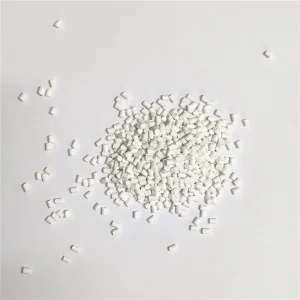
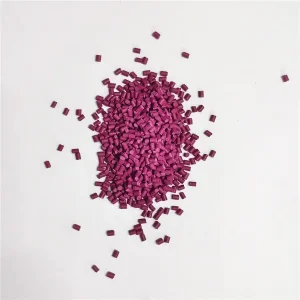
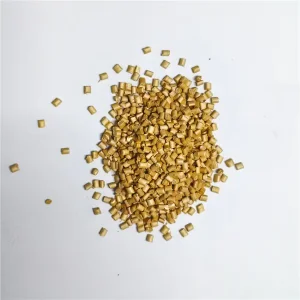
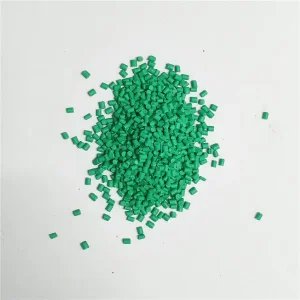
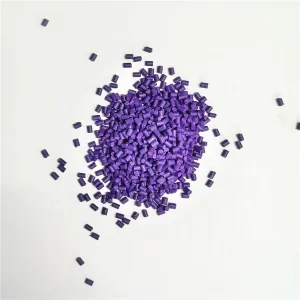
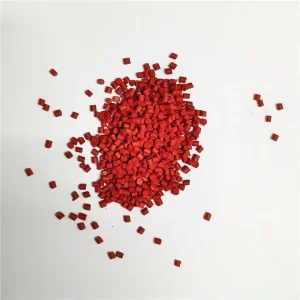
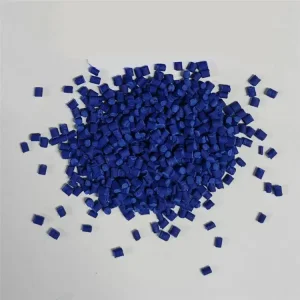
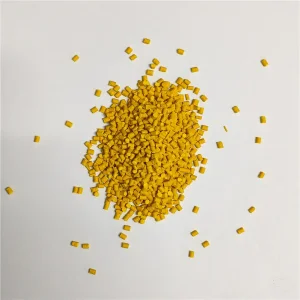
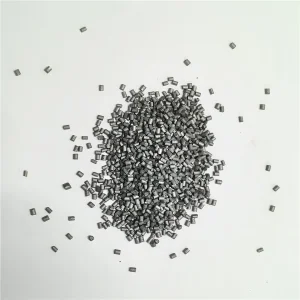
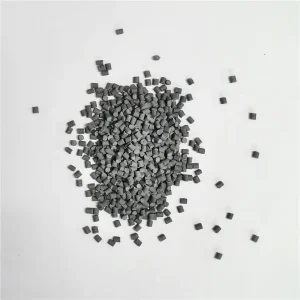
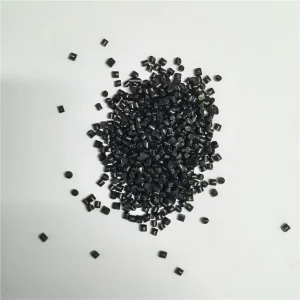
Explore our high-concentration, ultra-dispersive masterbatch solutions specially formulated for PE film extrusion, injection molding, and specialized industrial packaging.
In modern polyolefin processing, particularly in the manufacturing of polyethylene (PE) blown and cast films, controlling surface friction and preventing interlayer adhesion (blocking) are paramount engineering challenges. Polyethylene film layers, when extruded and wound under pressure on high-speed industrial rolls, naturally exhibit a high affinity for one another due to van der Waals forces and chemical similarity. Without targeted surface modification, film layers fuse or stick tightly, resulting in severe process bottlenecks, severe web handling issues, structural tearing, and unacceptably low throughput during downstream converting (e.g., bag-making, form-fill-seal packaging, and printing).
This technical white paper, compiled by senior polymer compounding engineers at Changzhou Jiazhou Plastic Products Co., Ltd., evaluates the physical chemistry, formulation engineering, supply chain dynamics, and global regulatory landscape surrounding Anti-Block & Slip PE Film Masterbatch solutions. By combining primary migratory slip agents (such as high-purity primary amides) with inorganic micro-particulate anti-blocking additives dispersed within matrix-matched low-density polyethylene (LDPE) or linear low-density polyethylene (LLDPE) carriers, film manufacturers can achieve exact Coefficient of Friction (COF) control down to tailored ranges (e.g., 0.15–0.25) without compromising film clarity, tensile strength, or printability.
Blocking occurs when adjacent plastic film layers come into intimate contact under tension, temperature, and pressure. Microscopic contact areas weld together. Incorporating synthetic amorphous silica or natural silicates creates controlled surface asperities (micro-roughness), reducing the effective contact area between layers and dramatically lowering blocking force.
Primary slip additives (such as Erucamide and Oleamide) possess controlled incompatibility with the non-polar PE matrix. Upon extrusion cooling, slip molecules migrate to the film surface, crystallizing into a microscopic lubricant monolayer. Oleamide provides fast slip development (<6 hours), whereas Erucamide delivers sustained, thermal-stable slip for long storage.
The primary engineering compromise in anti-block film formulation is managing optical haze versus friction reduction. Large inorganic particle sizes improve anti-blocking efficiency but increase light scattering (haze). Premium masterbatch formulations utilize narrow particle size distribution (PSD) synthetic silica matching the refractive index of PE (1.49) to preserve optical transparency.
Custom-engineered Anti-Block Slip Masterbatch formulations are deployed across a vast spectrum of flexible packaging and technical agricultural applications. Processing parameters and environmental exposures dictate specific masterbatch selection.
Form-Fill-Seal (FFS) packaging machinery operates at speeds exceeding 100 to 150 bags per minute. Film must slide effortlessly over metal collar guides without slipping out of alignment. Dual-action Anti-Block Slip masterbatches provide a consistent dynamic COF of 0.18–0.22, preventing film bunching and machine jamming. Formulations comply with strict FDA 21 CFR 177.1520 and EU 10/2011 food-contact safety frameworks.
Large-width multi-layer agricultural films (up to 16 meters wide) endure high wind loading, solar UV exposure, and wide ambient temperature fluctuations. Specialized heat-stabilized anti-block masterbatches utilizing nepheline syenite or talc combined with non-migratory or low-volatility slip additives ensure long-term ease of unrolling in field installations without premature additive degradation under thermal stresses.
Industrial sacks for resin pellets, fertilizers, and building materials require precise anti-skid and anti-block balancing. While inner layers require slip for opening efficiency during high-speed filling, outer layers require higher friction to prevent pallet collapse during transportation. Layer-specific dosing of additive masterbatches across 3-layer or 5-layer co-extrusion blown film lines is standard practice.
Selecting the optimal additive combination requires evaluating process temperature, storage duration, film thickness, and post-extrusion treatments (such as corona treatment for printing or metallization). The following comparative matrix outlines key trade-offs in modern additive masterbatch selection:
| Additive Class | Active Chemistry | Primary Benefit | Migration Speed | Thermal Limit | Ideal Application |
|---|---|---|---|---|---|
| Fast-Migratory Slip | Oleamide (C18 Unsat. Amide) | Rapid COF reduction (< 6h) | Very Fast | < 200°C | General bags, standard LDPE films |
| Slow-Migratory Slip | Erucamide (C22 Unsat. Amide) | Long-term stable COF, low taste/odor | Moderate (24–48h) | < 240°C | Food packaging, laminate films, LLDPE |
| Non-Migratory Slip | Ultra-High MW Siloxane / Organosilicon | Zero migration, stable post-corona, no bloom | Non-migratory | > 280°C | BOPP, high-temp technical films, caps |
| Synthetic Anti-Block | Amorphous Synthetic Silica (SiO2) | Ultra-high clarity, zero haze impact | N/A (Inorganic) | > 300°C | Premium display packaging, optical films |
| Natural Anti-Block | Micronized Talc / Calcite / Syenite | Cost-effective anti-blocking, high stiffness | N/A (Inorganic) | > 300°C | Agricultural films, heavy-duty shipping sacks |
During twin-screw compounding at Jiazhou Plastic, inorganic particles are subjected to specialized surface coupling treatments (titanate or silane chemistries). This prevents agglomeration, ensuring uniform microscopic dispersion. When introduced into client blown film extruders at 1.0% to 3.0% dosage rates, the masterbatch melts homogeneously without filter pack pressure spikes or gel formation.
Global plastic converters require consistent, high-purity masterbatch supplies resilient to raw material fluctuations and international supply chain disruptions. Located in Changzhou, Jiangsu Province, Changzhou Jiazhou Plastic Products Co., Ltd. stands at the epicenter of China's premium polymer refining and compounding cluster.
Founded in 2010, Jiazhou Plastic has dedicated 16 years to perfecting color matching, filler masterbatch modification, and technical additive formulations. Operating a 6,000 m² state-of-the-art facility, our factory integrates automated continuous gravimetric feeders and co-rotating twin-screw compounding lines.
Proximity to Shanghai and Ningbo deep-water ports allows streamlined containerized shipments. Our established supply networks secure high-purity virgin PE carrier resins and premium additive feedstocks at stable cost structures, protecting client supply chains from price volatility.
Every production batch undergoes comprehensive laboratory testing, including Melt Flow Index (MFI) analysis, thermo-gravimetric analysis (TGA), spectral color testing, and blown film sample extrusion. Full lot traceability ensures 100% batch-to-batch consistency for international OEM buyers in over 100 countries.
Modern packaging converters operate under aggressive sustainability mandates and stringent chemical safety standards. Masterbatch additives must comply with international food contact guidelines while enabling plastic circularity.
Jiazhou anti-block slip masterbatches use raw materials fully compliant with US FDA 21 CFR 177.1520 and EU Regulation No. 10/2011. Heavy metal content satisfies Directive 94/62/EC (CONEG) and RoHS requirements, ensuring safety in indirect and direct food packaging applications.
Formulations are certified free of Substances of Very High Concern (SVHC) under the European Union's REACH regulation. Low volatile organic compound (VOC) emissions during processing prevent unpleasant odors and optical surface fogging during high-temperature extrusion.
Post-consumer recycled (PCR) PE resins often contain degraded polymer chains and residual surface impurities that elevate film friction and blocking. Adding Jiazhou engineered anti-block slip masterbatches restores high-speed processability and surface quality in PCR-rich film blends (up to 50%+ PCR content).
Expert insights regarding formulation optimization, troubleshooting blown film defects, and masterbatch selection.
Explore additional specialized masterbatch solutions manufactured by Changzhou Jiazhou Plastic Products Co., Ltd. for global OEM clients.
16+ Years Industry Leading Manufacturer of Color & Functional Additive Masterbatches.
Equipped with twin-screw compounding lines, automated gravimetric dosing, and certified spectrophotometer quality testing labs.