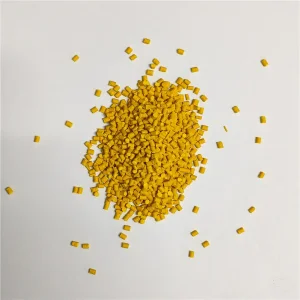
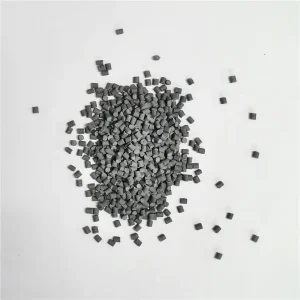
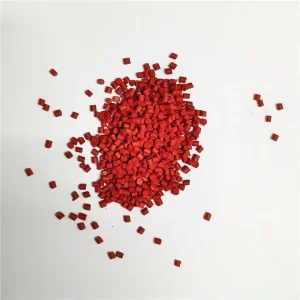
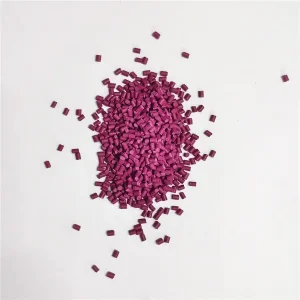
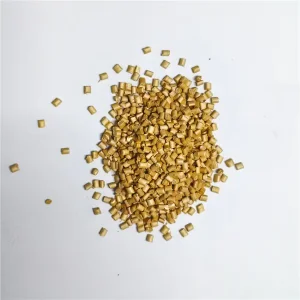
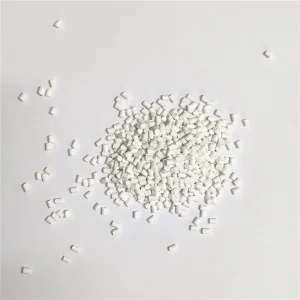
High-concentration carrier formulations engineered for demanding film blowing, injection molding, and cable extrusion processes.
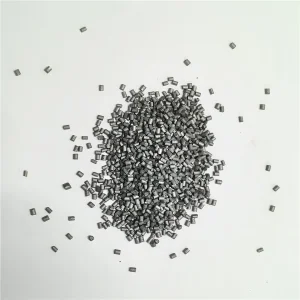
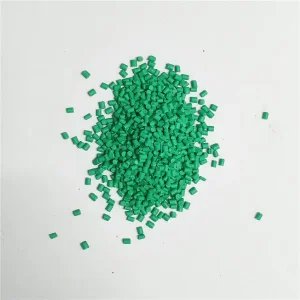
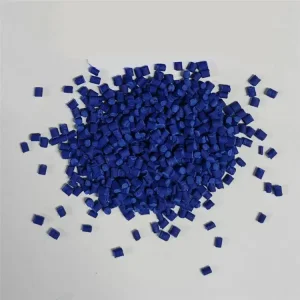
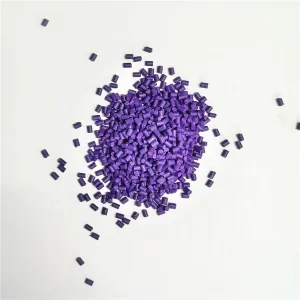
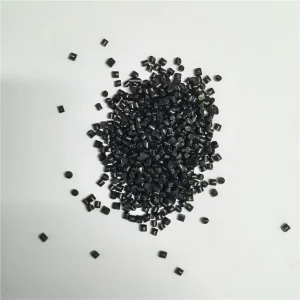
Understanding the technical, economic, and environmental forces shaping outer jacket insulation performance across high-voltage grid expansion and fiber-optic communication networks.
In electrical and telecommunication infrastructure, the outer polyethylene (PE) sheath represents the primary defense against harsh environmental stressors. Exposure to intense solar ultraviolet (UV) radiation, severe thermal cycling, moisture ingress, chemical soil contaminants, and mechanical abrasion can induce rapid polymer degradation, resulting in micro-cracking, dielectric breakdown, and catastrophic service outage.
To prevent photo-oxidative degradation, industrial cable manufacturers rely on high-grade Cable Sheath Black PE Masterbatch. Modern formulations require fine primary carbon black particle size (< 20 nm) uniformly dispersed into virgin bimodal linear low-density (LLDPE) or high-density polyethylene (HDPE) carriers, delivering over 25–30 years of continuous outdoor protection.
The global demand for high-performance black PE masterbatch is experiencing an unprecedented surge driven by three main macro factors:
Achieving optimal UV absorption, electrical neutrality, and extrusion processing performance through precision compounding technology.
Not all carbon blacks are suitable for wire and cable applications. High-quality cable sheath masterbatches specifically utilize P-Type (Pigmentary) Carbon Black compliant with international standards such as ASTM D1248 and IEC 60502.
Key properties include a narrow primary particle size distribution (typically 15 to 25 nanometers) and high structure (measured via Dibutyl Phthalate Absorption, DBPA). This ensures intense UV radiation screening while maintaining thermal conductivity and minimizing surface roughness during high-speed extrusion lines.
The choice of carrier polymer dictates compatibility with the cable base resin. Premium masterbatches utilize bimodal High-Density Polyethylene (HDPE) or Linear Low-Density Polyethylene (LLDPE) carriers with tailored Melt Flow Index (MFI).
The bimodal molecular weight distribution provides dual benefits: the low molecular weight fraction ensures rapid melting and complete wetting of carbon black aggregates, while the high molecular weight fraction yields superior mechanical toughness, impact resistance, and Environmental Stress Crack Resistance (ESCR).
During cable melt compounding and long-term service, thermal oxidation can degrade PE molecular chains. Cable-grade black masterbatch integrates a multi-stage antioxidant system consisting of Primary Sterically Hindered Phenols and Secondary Phosphite Processing Stabilizers.
This dual stabilization package neutralizes free radicals formed during high-temperature extrusion (up to 260°C) and guarantees exceptional Oxidative Induction Time (OIT) performance under standardized testing (ISO 11357-6 / ASTM D3895).
| Technical Property | Test Standard / Method | Typical Specification Range | Industrial Relevance |
|---|---|---|---|
| Carbon Black Content | ASTM D1603 / ISO 6964 | 40.0% – 50.0% (± 1.5%) | Ensures precise dilution ratio (typically 5% let-down to achieve 2.0-2.5% final CB content). |
| Carbon Black Dispersion Rating | ISO 18553 / IEC 60811-401 | Grade ≤ 2.0 (Microscopic Rating) | Prevents physical pinholes, mechanical stress concentrators, and premature breakdown. |
| Melt Flow Index (190°C/21.6kg) | ASTM D1238 / ISO 1133 | 5.0 – 15.0 g/10 min | Guarantees uniform melt mixing without melt fracture or pressure fluctuations. |
| Oxidative Induction Time (OIT @ 200°C) | ASTM D3895 / EN 728 | > 40 minutes (at 2.5% CB in HDPE) | Measures long-term thermo-oxidative lifetime under severe operational heat. |
| Moisture Content | ASTM D6980 (Karl Fischer) | < 0.05% (< 500 ppm) | Eliminates micro-voids, blisters, and surface roughness during sheath extrusion. |
| Filter Pressure Value (FPV) | EN 13900-5 (Mesh 14/100/14 µm) | < 0.5 bar/g | Verifies ultra-clean formulation, preventing screen pack blinding on cable lines. |
Engineered jacketing solutions designed to satisfy rigorous international standards across diverse terrestrial and aquatic environments.
For outdoor fiber-optic drop cables, central tube designs, and stranded loose tube micro-cables, cable sheath smoothness and dimensional control are crucial. Black masterbatches formatted with micro-fine carbon black provide:
Underground power cables (11kV to 500kV) operating in humid soil conditions require heavy-duty outer sheaths capable of resisting chemical attack, fungal growth, and mechanical puncture:
Subsea power and telecom cables are exposed to extreme hydrostatic pressures, saline corrosion, and biological bio-fouling. Our black masterbatches engineered with specialized LLDPE/HDPE blends deliver:
Solar arrays located in desert or high-altitude regions experience intense UV exposure and extreme daytime/nighttime thermal swings (-40°C to +90°C):
Pioneering green chemistry, circular economy integration, and ultra-high-voltage insulating materials.
Driven by global carbon-neutrality initiatives, leading cable compound suppliers are transitioning from fossil-derived PE to bio-based sugarcane polyethylene and high-purity post-consumer recycled (PCR) polymer carriers. Micro-compounding innovations ensure PCR-based masterbatches maintain identical dispersion and mechanical thresholds to virgin equivalents.
Next-generation High-Voltage Direct Current (HVDC) transmission lines demand space-charge-free insulation and sheathing compounds. Future masterbatch formulations utilize customized low-ash, ultra-clean carbon blacks treated with specialized surface chemistry to suppress ionic space charge accumulation.
Manufacturing facilities are integrating optical machine vision systems and inline rheological spectrophotometers directly onto twin-screw compounding lines. Real-time feedback loops automatically adjust screw speed, temperature profile, and feed rates to achieve a continuous dispersion rating of ISO 18553 Grade 1.0.
Ensuring complete supply chain reliability, batch-to-batch consistency, and international standard alignment.
High-quality cable sheath masterbatches must comply with a complex matrix of global environmental and safety directives. Reputable manufacturers maintain comprehensive documentation including:
Every production batch undergoes systematic analytical validation before shipment to guarantee flawless performance during extrusion:
Our engineering team collaborates directly with cable manufacturers worldwide to develop customized PE black masterbatches tailored to your specific extrusion speeds, resin matrices, and weatherability requirements.
Contact Technical TeamExpert technical answers regarding cable sheath black masterbatch procurement, testing, and processing.
Engineered color, black, white, and additive masterbatches for global plastic extrusion and molding industries.