Global Polymer Matrix & Engineering Whitepaper

High-Quality Color Pellets Suppliers & Supplier Sourcing Intelligence

Featured Industrial Color Masterbatch Pellets

High-concentration, ultra-dispersive polymer color concentrates engineered for extrusion, blown film, and high-speed injection molding applications.

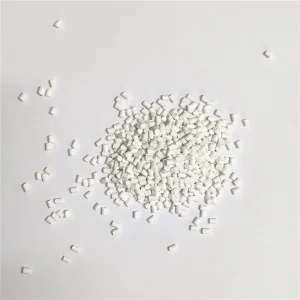
PE White Masterbatch
High Concentration PE White Masterbatch
View Details
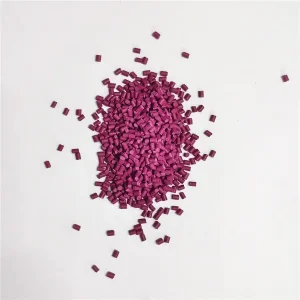
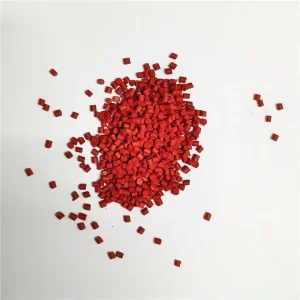
PE Rose Red Masterbatch
PE Rose Red Anti-Fading Masterbatch
View Details
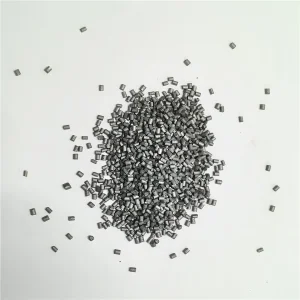
PE Silver Masterbatch
Custom High Concentration PE Silver Masterbatch
View Details
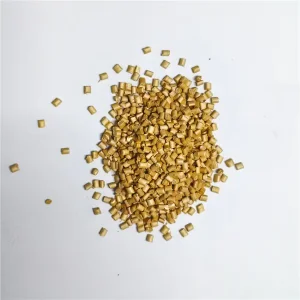
PE Gold Masterbatch
Custom PE Gold Heat Resistant Masterbatch
View Details
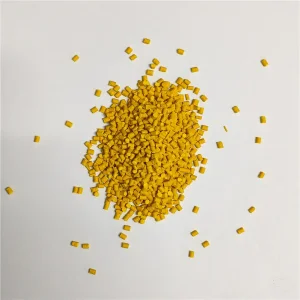
PE Yellow Masterbatch
PE Yellow Non-Toxic Anti-Migration Masterbatch
View Details
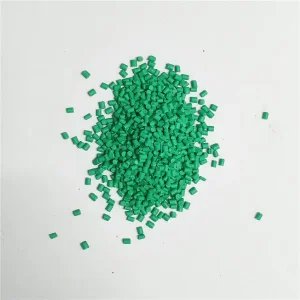
PE Green Masterbatch
China High Concentration PE Green Masterbatch
View Details
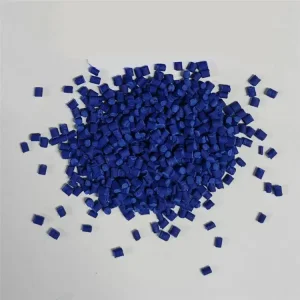
PE Blue Masterbatch
High Concentration PE Carrier Blue Masterbatch
View Details
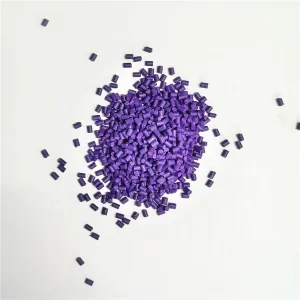
PE Purple Masterbatch
PE Purple Anti-Fading Masterbatch Concentrate
View Details

Global Commercial & Industrial Landscape of Color Pellets

Analyzing market dynamics, regulatory compliance, and polymer carrier economics across tier-1 manufacturing sectors.

6.8%
Global CAGR Growth

Driven by sustainable packaging, automotive lightweighting, and rigid building material demands worldwide.

260°C+
Thermal Stability

Engineered thermal resistance preventing pigment degradation during high-speed extrusion profiles.

ΔE < 0.3
Color Consistency

Strict spectrophotometric tolerances ensuring exact batch-to-batch color reproducibility across global plants.

100+
Global Export Hubs

Serving polymer converters across North America, EU, Middle East, and Southeast Asian manufacturing zones.

The global industrial consumption of masterbatch and engineered color pellets has experienced a structural evolution over the past decade. Modern plastic processing facilities no longer treat color concentrates as simple aesthetic additives; rather, they are recognized as critical functional components that dictate processing efficiency, melt rheology, and end-product mechanical integrity. Procurement directors searching for verified high-quality color pellets suppliers & supplier networks face complex evaluation criteria encompassing organic vs. inorganic pigment loadings, carrier resin compatibilities (PE, PP, PET, ABS), thermal degradation thresholds, and international environmental compliance frameworks.
Within high-volume manufacturing environments—such as multi-layer film blowing, thin-wall injection molding, and continuous pipe extrusion—minor inconsistencies in color pellet quality can cause significant operational downtime. Subpar color concentrates with broad particle size distribution often lead to filter mesh clogging, die line imperfections, surface specks, and erratic melt flow indices (MFI). Consequently, tier-1 global buyers are shifting their supplier selection matrices away from basic price-per-kilogram metrics toward Total Cost of Ownership (TCO) evaluation, prioritizing high-dispersion masterbatch formulations that offer consistent tinting strength at minimal let-down ratios (LDR).
Industry Benchmark Insight: Modern automated manufacturing plants utilizing high LDR (1% to 2%) color masterbatch pellets reduce inventory footprint by up to 35% while cutting carrier resin thermal stress during secondary processing cycles.

Technical & Rheological Engineering Standards

Behind the science of pigment dispersion, carrier polymer matching, and thermal stabilization.

Pigment Micro-Dispersion

Utilizing advanced twin-screw co-rotating extruders to achieve sub-micron pigment particle agglomerate breakdown, eliminating streaks and pinholes in thin packaging films.

Carrier Resin Homogeneity

Precision-matched melt flow rate (MFR) virgin PE/PP carriers that blend seamlessly into base polymers without altering structural tensile or impact properties.

Environmental & Migration Resistance

Heavy-metal-free organic pigments engineered for zero migration, anti-fading lightfastness (Blue Wool Scale 7-8), and full RoHS/REACH regulatory compliance.

The fundamental engineering hurdle in polymer color concentrate production lies in the dispersion physics of solid pigment particles within a molten polymer matrix. Raw pigments naturally form dense agglomerates due to strong van der Waals forces. When unmanaged, these agglomerates act as stress concentrators in finished molded components, severely compromising tensile strength and impact resistance.
Performance Parameter Standard Masterbatch Grade Jiazhou Engineered Color Pellets Industrial Advantage
Pigment Dispersion (Filter Pressure Value) > 2.5 bar/g < 0.8 bar/g (EN 13900-5) Eliminates filter pack clogging and extends screen pack life by 300%.
Thermal Stability Range 200°C - 220°C 260°C - 300°C Prevents color shifting during high-temperature injection molding cycles.
Color Tolerance (CIE L*a*b*) ΔE ≤ 1.2 ΔE ≤ 0.3 Ensures exact visual uniformity across multi-component assemblies.
Let-Down Ratio (LDR) Efficiency 3% - 5% 1% - 2% Lowers total additive cost per ton of finished resin processed.
Carrier Compatibility Single Resin Specific Universal PE/PP Co-Polymer Matrix Reduces raw material SKU inventory requirements for plastic processors.

China Industrial Ecosystem & Changzhou Jiazhou Efficiency

How 16 years of specialized manufacturing experience delivers structural cost, speed, and quality advantages.

China’s Yangtze River Delta polymer cluster—specifically Changzhou, Jiangsu—serves as the global epicenter for specialty polymer masterbatch production. Changzhou Jiazhou Plastic Products Co., Ltd. leverages this hyper-integrated industrial ecosystem to deliver unprecedented supply chain stability, raw material sourcing efficiency, and rapid customization capabilities to global buyers.
6,000 m² Automated Facility

Operating multiple state-of-the-art twin-screw extrusion lines with automated gravimetric loss-in-weight feeders. This guarantees highly uniform pigment loading across every production lot, eliminating manual dosing errors.

3-5 Day R&D Color Matching

Equipped with advanced spectrophotometers and laboratory scale sample extruders, our R&D engineers match custom Pantone, RAL, or physical target color chips within 72 to 120 hours, accelerating OEM product launch cycles.

Integrated Export Logistics

Direct proximity to Shanghai and Ningbo deep-water ports allows seamless ocean freight routing, customized moisture-proof aluminum foil packaging, and reliable 15-day order-to-shipment turnaround times for international orders.

Industrial Application Scenarios & Engineering Benchmarks

Tailored masterbatch formulation strategies for specialized polymer conversion techniques.

Blown Film Extrusion

Applications: Express courier bags, agricultural greenhouse films, barrier food packaging, heavy-duty shipping sacks.

Technical Mandate: Requires flawless dispersion to prevent film blow-outs, pinholes, and opacity streaks down to 15-micron gauge thickness. High carbon black or TiO2 loadings deliver superior UV screening and opacity.

Precision Injection Molding

Applications: Automotive interior trim components, consumer electronics housings, industrial crates, home appliances.

Technical Mandate: High heat stability (>260°C) with low warp/shrinkage distortion impact. Formulated to ensure zero mold deposit build-up during continuous high-cycle injection runs.

Pipe & Profile Extrusion

Applications: HDPE agricultural irrigation pipes, PPR hot water supply lines, electrical cable conduits, architectural trims.

Technical Mandate: Long-term weatherability and UV stabilization (Carbon Black P-type / HAF grade). Excellent hydrostatic pressure retention without degrading the base pipe resin strength.

Global Procurement & Sourcing Evaluation Framework

A structured guide for procurement executives to audit color pellet manufacturers and minimize supply chain risks.

Evaluating potential high-quality color pellets suppliers & supplier facilities requires a comprehensive multi-tier audit covering technical capability, raw material provenance, laboratory infrastructure, and commercial terms. Enterprise buyers should utilize the following 4-stage validation matrix:

1. Raw Material Audit

Verify that pigment suppliers utilize high-purity organic/inorganic pigments with full trace-element testing (heavy metals, free amine levels, and moisture content < 0.1%).

2. Compounding Tech

Ensure supplier factory utilizes high L/D ratio twin-screw extruders with vacuum degassing ports to strip residual volatiles and prevent odor issues in end products.

3. QC Testing Protocol

Demand lot-specific Certificates of Analysis (COA) detailing MFI, density, moisture content, heat resistance, and spectrophotometric Delta E values.

4. Logistical Integrity

Confirm packaging specs include heavy-duty inner PE liners and palletized shrink-wrapped protective barriers to prevent humidity pickup during maritime shipping.

Future Trends in Color Pellets & Polymer Coloration

Pioneering bio-based carriers, NIR-detectable black masterbatch, and circular economy integration.

As global environmental regulations intensify and brand owners pledge aggressive net-zero and recycled-content targets, the color masterbatch industry is undergoing rapid technological transformation. Forward-thinking manufacturers like Changzhou Jiazhou are leading research in three key innovation vectors:

NIR Detectable Black Pellets

Traditional carbon black masterbatches absorb Near-Infrared (NIR) radiation, making black plastics invisible to automated recycling sorting systems. Advanced non-carbon black pellets enable full NIR detection and automated sorting in commercial recycling facilities.

PCR & Bio-Carrier Matrix

Formulating masterbatch concentrates using Post-Consumer Recycled (PCR) polyolefins and bio-based PLA/PBAT carriers, aligning color concentrates directly with closed-loop sustainability frameworks.

Multi-Functional Additive Blends

Combining organic color pigments with functional additives (anti-static, UV stabilizer, anti-block, and processing aids) into a single high-efficiency combo pellet, simplifying converter dosing systems.

Frequently Asked Questions (FAQ)

Technical and commercial clarity for plastic processing engineers and procurement teams.

Q: What is the difference between dry pigment powder, liquid color, and masterbatch color pellets?
Dry pigment powders are difficult to handle, create airborne dust hazards, and frequently yield inconsistent dispersion. Liquid colors require specialized peristaltic pumps and can lead to screw slippage. Color masterbatch pellets offer clean handling, pre-dispersed pigment particles encapsulated in a compatible resin carrier, precise gravimetric dosing, and superior shelf stability.
Q: How do I determine the correct Let-Down Ratio (LDR) for my production process?
LDR is determined by the pigment concentration within the color pellet, the target opacity or shade depth of the final product, and wall thickness. Standard color masterbatches operate at an LDR of 1% to 4%. High-concentration Jiazhou masterbatches allow lower LDRs (1% to 2%), reducing raw material consumption and carrier resin impact on virgin base polymers.
Q: Can PE carrier color masterbatch be used with PP or ABS base resins?
PE carrier masterbatches possess broad compatibility with Polypropylene (PP) in most injection molding and film applications due to similar polyolefin chemical structures. However, for engineering polymers like ABS, PS, or PC, it is recommended to use either custom-matched carriers or specialized universal masterbatch formulations to prevent mechanical delamination or impact strength reduction.
Q: How does Changzhou Jiazhou ensure batch-to-batch color stability?
Every production batch undergoes spectrophotometric testing against master retention samples under standardized illuminants (D65, F12). We enforce strict Delta E tolerance (ΔE < 0.3 to 0.5) alongside melt flow index (MFI) and moisture analysis, recording full batch production logs for total traceability.
Q: What environmental certificates accompany Jiazhou color masterbatch products?
Our color pellet formulations comply with global regulatory standards including EU RoHS 2.0, REACH SVHC, FDA food contact requirements (for designated food-grade lines), and heavy-metal-free EN 71-3 standards for toy packaging and consumer goods.
Q: What is the standard lead time for custom color matching and bulk delivery?
Custom color sample matching and lab chip creation require 3 to 5 business days. Once the sample is approved by the client, full-scale commercial manufacturing takes between 7 to 12 business days, with containerized export dispatch from Shanghai port within 15 days.

Complete Color Pellet Product Lineup

Browse our core high-concentration PE masterbatch series engineered for demanding global manufacturing environments.

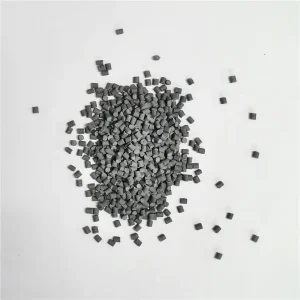
PE Grey Masterbatch
Custom PE Grey Non-Migration Masterbatch
View Details
PE Red Masterbatch
PE Red 260°C Heat Resistant Masterbatch
View Details
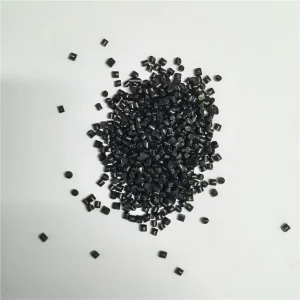
PE Black Masterbatch
PE Black Eco-Friendly Masterbatch Concentrate
View Details
PE White Masterbatch
High Concentration PE White Masterbatch
View Details
PE Silver Masterbatch
Custom PE Silver High Weather Resistance Masterbatch
View Details
PE Gold Masterbatch
Custom PE Gold Heat Resistant Masterbatch
View Details
PE Green Masterbatch
China High Concentration PE Green Masterbatch
View Details
PE Blue Masterbatch
High Concentration PE Carrier Blue Masterbatch
View Details