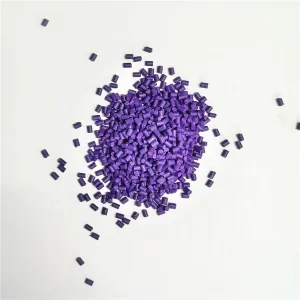
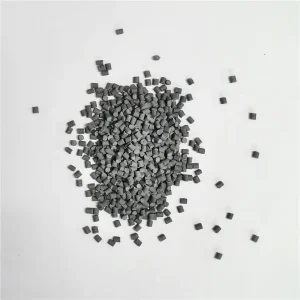
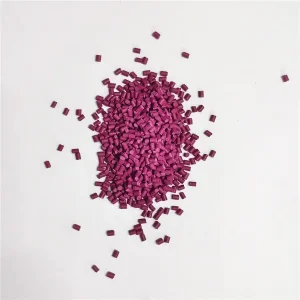
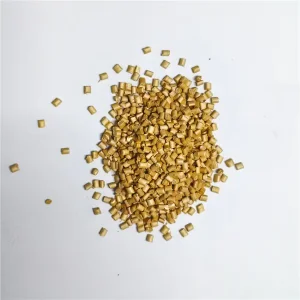
Explore our industrial-grade masterbatch portfolio optimized for blown film, pipe extrusion, and precision injection molding.
A comprehensive engineering overview of carrier resin compatibility, pigment wet-out, dispersion dynamics, and thermal stability in high-speed polymer processing.
The selection of the carrier resin (matrix polymer) dictates the mechanical integrity and surface finish of the final plastic product. A tier-one colorant masterbatch utilizes melt-flow-matched Polyethylene (LDPE, LLDPE, HDPE), Polypropylene (PP), or specialized engineering polymers (EVA, ABS, PET, PA). Matching the Melt Flow Index (MFI) of the carrier resin to the substrate prevents phase separation, delamination, and surface streaking during high-shear blown film and injection molding cycles.
Achieving superior color strength and opacity requires breaking down raw pigment agglomerates into primary sub-micron particles. Utilizing multi-zone twin-screw extrusion technology with controlled shear forces, high-quality masterbatches incorporate advanced dispersing additives (such as polyethylene wax and zinc stearate). This guarantees complete pigment "wet-out", preventing filter clogging, die lines, and micro-voids in ultrathin packaging films down to 10 microns.
Industrial processing temperatures often exceed 260°C to 300°C. Low-tier masterbatches suffer from organic pigment thermal degradation, leading to hue shift, gas venting, and structural brittleness. Premium colorant masterbatches integrate synergistic UV stabilizers (HALS), primary antioxidants (Hindered Phenols), and secondary phosphite processing stabilizers, ensuring long-term color fastness and anti-fading durability under intense weather exposure.
In modern industrial quality control, subjective visual inspection is replaced by spectrophotometric evaluation. A masterbatch manufacturer with true E-E-A-T credentials measures color accuracy against standard target plaques within the 3D CIE L*a*b* color space. A strict Delta E ≤ 0.5 to 0.8 tolerance is enforced across batch runs. This rigorous quantitative testing guarantees zero batch-to-batch shade variation for global brands managing high-volume OEM consumer lines.
| Masterbatch Type | Pigment Loading (%) | Carrier Resin Type | Thermal Stability (°C) | Key Application Scenarios | Compliance Standards |
|---|---|---|---|---|---|
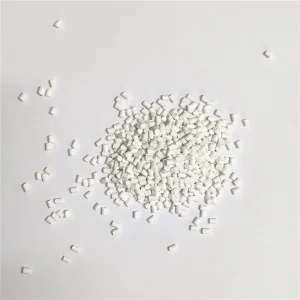
| High-Opacity White | 60% – 75% TiO2 (Rutile) | PE / PP / Universal | 280°C – 300°C | Lamination film, milk bags, injection caps | FDA Food Contact, RoHS, REACH |
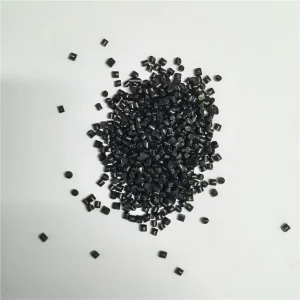
| Deep Jet Black | 30% – 50% Carbon Black | LDPE / LLDPE / HDPE | 260°C – 290°C | Agricultural geomembranes, pressure pipes | ISO 4892 Weatherability, RoHS |
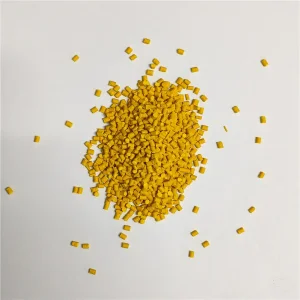
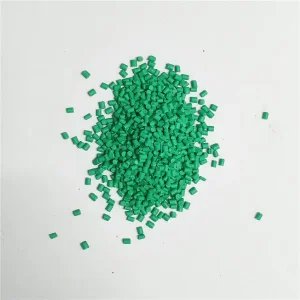
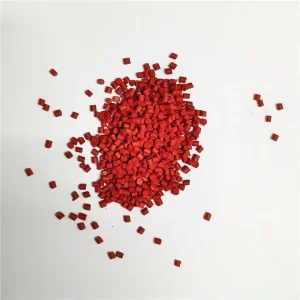
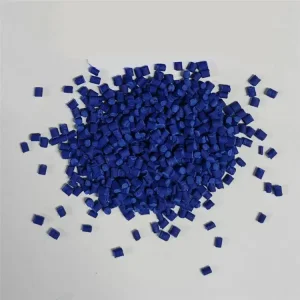
| Chroma Color Series | 20% – 45% Organic/Inorganic | PE / PP / EVA | 240°C – 280°C | Household appliances, toys, courier bags | EN71-3 (Toy Safety), Anti-migration |
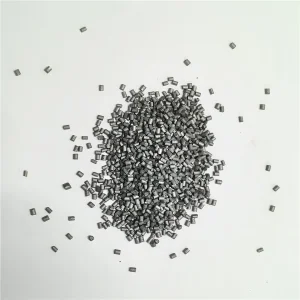
| Functional Metallic | 15% – 30% Aluminum/Mica | PE / PP Matrix | 220°C – 260°C | Cosmetic packaging, luxury containers | Non-blooming, High Weatherability |
Analyzing the strategic cluster effect of Changzhou's chemical industrial park, raw material integration, and global export logistics efficiency.
China accounts for over 45% of the global synthetic resin production capacity. Factories situated in key industrial zones like Changzhou, Jiangsu, benefit from direct supply lines of virgin PE, PP, TiO2 pigments, and specialty additives. This upstream raw material proximity eliminates long-distance transportation costs and insulates international buyers from global market price spikes, ensuring unbeatable cost-performance ratios.
Modern Chinese masterbatch factories have transitioned to fully automated continuous production lines. Utilizing loss-in-weight gravimetric feeders, twin-screw high-torque extruders, and inline underwater pelletizing systems, factory operations ensure tight volumetric dosage tolerances. AI-assisted color matching accelerates sample prototyping from weeks to under 72 hours, vastly improving time-to-market for international procurement teams.
To serve top-tier multinational clients across North America, Europe, and Southeast Asia, leading factories maintain strict adherence to international environmental and safety standards. Formulations undergo rigorous third-party testing for Heavy Metal content (RoSH 2.0), REACH SVHC candidate substances, FDA 21 CFR food contact compliance, and Halogen-Free certifications, assuring effortless regulatory clearance across all export markets.
Tailored masterbatch formulation strategies engineered to solve process-specific plastic processing challenges.
Flexible films require masterbatches with zero gel counts and micro-dispersion. Our high-concentration white and color masterbatches ensure uniform wall thickness, high tear strength, and zero pinhole formation in multi-layer co-extrusion films, agricultural mulch, and express courier bags.
For complex injection-molded automotive trims, home appliance housings, and industrial crates, our colorant masterbatch offers low warpage, anti-shrinkage properties, and fast cycle times while eliminating sink marks and flow lines during high-pressure molding.
High-Density Polyethylene (HDPE) and Polypropylene Random (PPR) pressure pipes demand continuous weatherability and high carbon black dispersion (P-Type rating). Our black masterbatches provide long-term UV protection against thermo-oxidative cracking in municipal pipe networks.
With global sustainability mandates, masterbatch formulations are now customized to compensate for the yellowish hue and thermal degradation inherent in Post-Consumer Recycled (PCR) resins, restoring pristine visual clarity and mechanical toughness to recycled PET, PE, and PP.
Exploring the next decade of polymer coloration: NIR-detectable black, bio-degradable carriers, and smart additive masterbatches.
Traditional carbon black absorbs Near-Infrared (NIR) light, making black plastics invisible to optical sorting equipment at recycling plants. Advanced masterbatch technology replaces standard carbon black with specialized NIR-transparent dyes, allowing black packaging to be automatically identified, sorted, and recycled in modern Material Recovery Facilities (MRFs).
As single-use plastic bans expand across Western nations, colorant suppliers have engineered 100% certified compostable masterbatches using Poly Lactic Acid (PLA) and Polybutylene Adipate Terephthalate (PBAT) carriers. These formulations maintain full industrial compostability while delivering vibrant color pay-off in biodegradable food packaging and shopping bags.
Processors are increasingly abandoning single-function color masterbatches in favor of multi-functional combo masterbatches. By combining vibrant pigments with processing aids, slip agents, anti-static compounds, and UV blockers into a single granule, manufacturers cut inventory complexity, eliminate dosing errors, and lower total production operational expenditure (OpEx).
Essential quality parameters and factory audit criteria for international procurement managers to maximize cost savings and prevent batch failures.
FPV (measured in bar/g according to EN 13900-5) determines the dispersion cleanliness of the masterbatch. Low FPV values (under 1.0 bar/g) guarantee that the colorant will not clog screen packs or cause filament breakage during high-speed spinning or film extrusion.
Evaluating masterbatch unit cost alone is a procurement mistake; Total In-Use Cost depends on the Let-Down Ratio. A high-concentration 75% TiO2 white masterbatch added at a 1.5% LDR often yields lower cost-per-ton than a 50% TiO2 white added at a 3.0% LDR.
Volatile moisture causes splay marks, bubbles, and structural voids. High-grade masterbatches maintain moisture levels below 0.05% (500 ppm), delivered in moisture-proof aluminum foil valve bags, ensuring plug-and-play processing without pre-drying.
Every shipment from a certified factory must include a detailed Certificate of Analysis (CoA) documenting MFI, density, moisture percentage, and spectrophotometric Delta E values paired with lot-number retention samples archived for 24 months.
Expert answers to the most critical technical, commercial, and operational queries from global polymer processors and plastic manufacturers.
Select from our complete range of specialized pigment masterbatches for immediate global delivery.