Engineered with pristine carrier resins and ultra-pure pigments to ensure absolute structural integrity, zero migration, and precise color consistency for pharmaceutical containers.
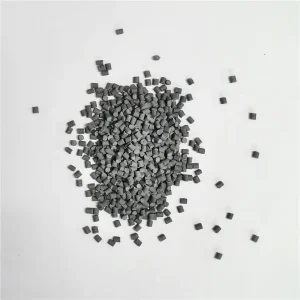
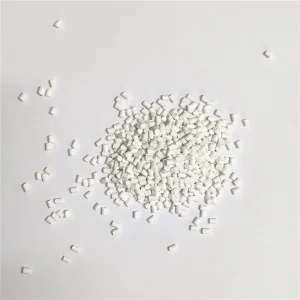
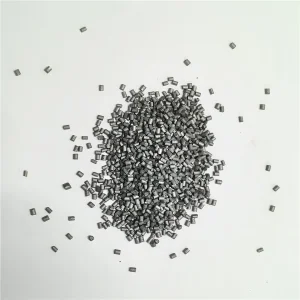
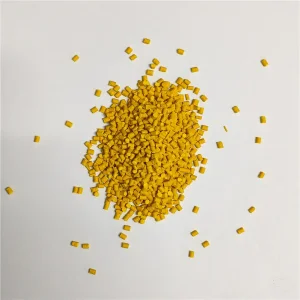
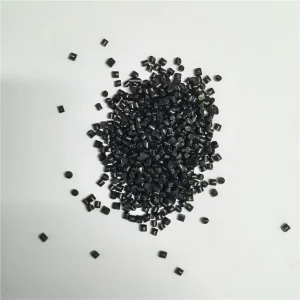
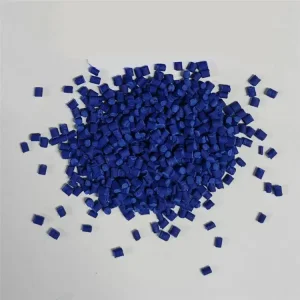
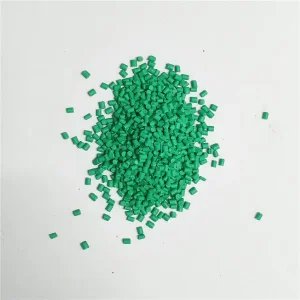
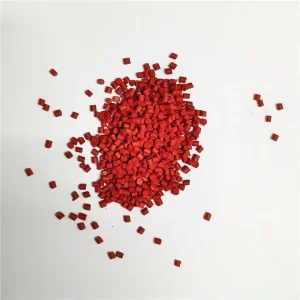
Analyzing the strategic imperatives driving polymer colorant selection in pharmaceutical containers, healthcare packaging, and compliant food-contact materials.
In modern pharmaceutical packaging, masterbatches used for high-density polyethylene (HDPE) solid oral dose containers and low-density polyethylene (LDPE) squeeze bottles are subject to uncompromising global regulations. Formulations must strictly align with US FDA 21 CFR 177.1520, European Pharmacopoeia (EP 3.1.3), Japanese Pharmacopoeia (JP 7.02), and Chinese Pharmacopoeia (ChP) standards. Every pigment and carrier resin must exhibit zero toxicity, low extractables, and absolute resistance to active pharmaceutical ingredient (API) interaction.
Photosensitive active pharmaceuticals demand precise optical opacity to prevent photodegradation caused by ultraviolet (UV) and visible spectrum radiation (290nm – 450nm). Specialized food-grade white, amber, and opaque color masterbatches incorporate engineered Rutile Titanium Dioxide (TiO₂) and organic pigment complexes, achieving high light shielding (>99.9% attenuation) while keeping total pigment loading optimal for processability.
Global pharmaceutical brand owners and medical bottle converters are shifting away from commodity colorant suppliers toward specialized masterbatch manufacturers who provide full transparency into Extractables & Leachables (E&L) analytical profiles, Drug Master File (DMF) registration support, and certified cleanroom manufacturing facilities. Modern sourcing demands not only vibrant color aesthetics, but also complete toxicological safety documentation, heavy-metal-free compliance (RoHS/REACH), and long-term supply chain security.
The physics of high-concentration food-grade masterbatches relies on carrier-base Compatibility, Melt Flow Index (MFI) optimization, and pigment dispersion engineering.
To prevent phase separation and surface defect formation during high-speed Blow-Molding (EBM) or Injection Blow Molding (IBM), the masterbatch carrier PE resin must precisely match the Melt Flow Rate (MFR) of the base resin (typically 0.3 to 2.0 g/10min for bottle extrusion blow molding). Mismatched viscosity leads to flow marks, uneven wall thickness, and micro-voids that compromise moisture barrier properties.
Low-molecular-weight additives can migrate over time into liquid pharmaceuticals, causing precipitation, cloudiness, or altering drug efficacy. Food-grade medical bottle masterbatches utilize high-molecular-weight hindered amine light stabilizers (HALS), primary antioxidant packages (Irganox 1010/Irgafos 168 series equivalent), and polymeric dispersants that remain physically locked within the polyolefin matrix.
Comprehensive analytical screening via GC-MS, LC-MS, and ICP-MS ensures that total volatile organic compounds (VOCs), polycyclic aromatic hydrocarbons (PAHs), phthalates, and heavy metals (Pb, Cd, Hg, Cr VI, As, Sb) fall well below toxicological concern limits specified by USP <661.1> Plastic Materials of Construction and USP <661.2> Plastic Packaging Systems.
| Technical Parameter | Standard Industrial Masterbatch | Food Grade PE Medicine Masterbatch (Jiazhou Standard) |
|---|---|---|
| Carrier Polymer Purity | Recycled or general-grade virgin PE/PP | 100% Virgin Medical/Food Contact Grade Low Density/High Density Polyethylene |
| Heavy Metal Limits | RoHS standard (<100 ppm combined) | Strict USP/EP Limits (<5 ppm individual, Heavy metal free, zero lead/cadmium) |
| Pigment Dispersion Quality | Standard filtration mesh level (>45 μm) | High-pressure twin-screw micro-dispersion (<5 μm particle agglomerate filter size) |
| Migration & Odor Profile | Potential additive blooming; mild odor | Zero-migration additives, odorless, taste-neutral, organoleptically tested |
| Regulatory Documentation | Basic TDS & SDS | Full FDA 21 CFR, REACH, RoHS, EU 10/2011, USP Class VI & EP 3.1.3 Compliance Dossier |
How leading Chinese factories combine advanced twin-screw extruders, continuous quality automation, and robust chemical supply chains to deliver global competitiveness.
Chinese manufacturing centers utilize high-torque, co-rotating twin-screw extrusion systems fitted with multi-component gravimetric loss-in-weight feeders. This guarantees precise feed rates of raw pigments, antioxidants, and carrier resins within ±0.2% tolerance, eliminating batch-to-batch shade variations during continuous 24/7 manufacturing cycles.
To mitigate airborne contamination, particulate matter, and foreign debris in pharmaceutical raw materials, masterbatch dustless pelletizing and automated packaging take place within ISO Class 8 cleanrooms. Double-layered anti-static aluminum foil bags with heat-sealed vacuum closure ensure moisture-proof and contamination-free international shipping.
Situated within primary petrochemical hubs like Jiangsu, Chinese factories leverage immediate access to premium virgin Polyethylene (PE) resins and organic/inorganic pigments. This vertical integration reduces raw material procurement lead times, yields substantial cost efficiencies, and provides unmatched flexibility for custom shade matching (Pantone / RAL).
Customized formulations engineered for distinct medical container geometries, closure systems, and processing technologies.
Opaque White and Amber masterbatches optimized for Extrusion Blow Molding (EBM) of HDPE tablet containers. Delivers exceptionally high light blocking capabilities (opacity > 99.8%) to protect moisture-sensitive and light-sensitive solid dosage formulations, maintaining extended shelf life under ambient tropical storage conditions.
Ultra-pure, low-viscosity PE masterbatch solutions engineered for squeeze-dispensing bottles and eye drop packaging. Characterized by high flexibility, minimal stress cracking tendency (ESCR resistance), zero leachables into aqueous buffers, and compliance with European Pharmacopoeia EP 3.1.3.
High-rigidity PE and PP color masterbatches formulated for multi-cavity injection molding of screw closures and safety caps. Incorporates anti-static and slip additive packages that reduce torque variability during automated high-speed capping lines without risking cap looseness or sealing failure.
Vibrant, food-contact compliant metallic, green, blue, and customized shade masterbatches designed to enhance shelf appeal for vitamins, sports nutrition, and dietary supplements while strictly adhering to US FDA 21 CFR 177.1520 and EU Regulation 10/2011.
Pioneering eco-friendly bio-carriers, molecular tracing technology, and high-barrier functional additive masterbatches.
As global sustainability mandates expand, leading manufacturers are introducing bio-polyethylene carrier masterbatches derived from renewable sugarcane bio-ethanol. These sugarcane-based PE carriers achieve a net-negative carbon footprint while maintaining identical chemical and physical inertness as petroleum-derived resins.
Pharmaceutical counterfeiting remains a critical global threat. Advanced masterbatch technology now integrates microscopic luminescent markers or unique taggant compounds directly into the bottle wall polymer matrix. These invisible forensic signatures allow instant field validation of authentic pharmaceutical packaging using specialized optical scanners.
In response to international restrictions on Per- and Polyfluoroalkyl Substances (PFAS), advanced food-grade masterbatches are migrating toward non-fluorinated polymer processing aids (PPAs). These next-generation additive chemistries eliminate die build-up and surface melt fracture without environmental fluorochemical persistence.
A structured evaluation checklist for quality assurance managers, regulatory affairs leads, and international packaging procurement teams.
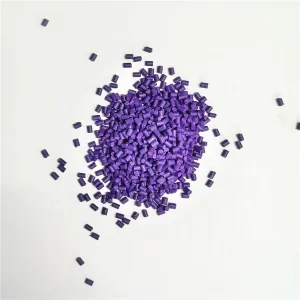
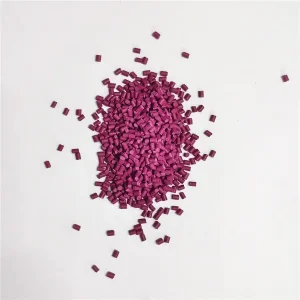
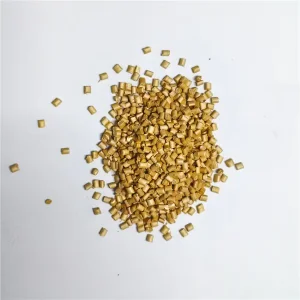
Explore our complete spectrum of food-grade, non-migratory colorant formulations ready for immediate export and custom OEM color matching.
Expert answers addressing regulatory compliance, processing parameters, stability testing, and custom OEM manufacturing.