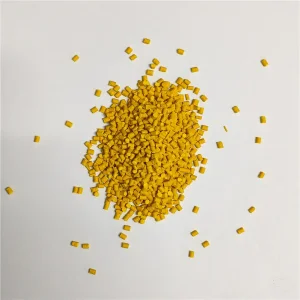
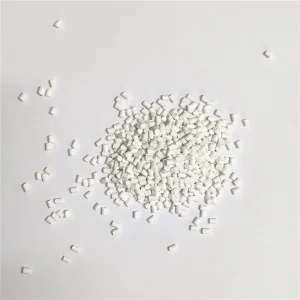
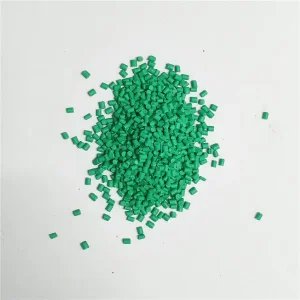
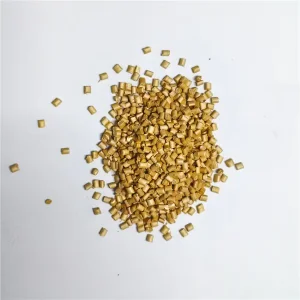
Explore our industrial-grade polyethylene color concentrate pellets formulated for extrusion, blown film, and high-precision injection molding.
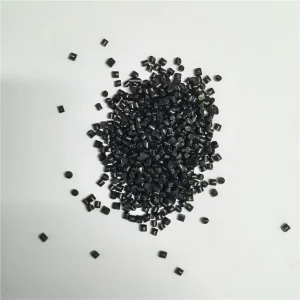
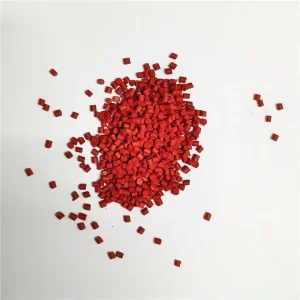
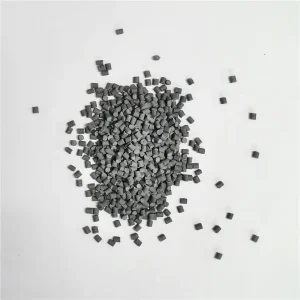
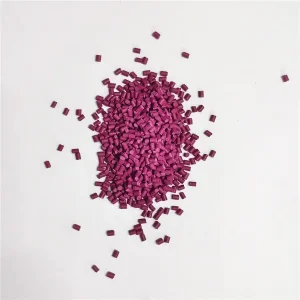
Macroeconomic Analysis, Production Volumes, Regional Consumption Profiles, and Supply Chain Dynamics
The global market for PE color concentrate pellets (commonly designated as Polyethylene Color Masterbatches) represents a cornerstone of modern polymer processing. As high-density polyethylene (HDPE), low-density polyethylene (LDPE), and linear low-density polyethylene (LLDPE) continue to dominate global resin consumption across packaging, infrastructure, agriculture, and automotive sectors, the requirement for highly specialized color concentrate pellets has accelerated.
In modern plastic conversion, processors have largely shifted away from direct liquid colorants or raw powder pigments due to dust contamination hazards, poor dispersion uniformity, and extended cleanup downtimes. Color concentrate pellets provide an engineered delivery system where organic or inorganic pigments are pre-dispersed into a carrier resin at concentrations ranging from 20% up to 70%.
Industrial sourcing of color concentrate pellets varies significantly by geographical manufacturing capabilities and end-use application density:
Leading Chinese factories—such as Changzhou Jiazhou Plastic Products Co., Ltd.—leverage integrated petrochemical supply networks, advanced co-rotating twin-screw compounding lines, and state-of-the-art spectrophotometric quality control to deliver premium grade color concentrates at competitive global price points with zero compromise on Delta E (ΔE) batch consistency.
Understanding Carrier Resin Compatibility, Melt Flow Index (MFI) Matching, and Thermal Degradation Parameters
The performance of a color masterbatch pellet is directly dictated by its interfacial chemistry and rheological behavior during plastic extrusion or injection molding. A common failure in plastic manufacturing—such as color streaking, pinholes, filter pack clogging, or reduced impact strength—originates from mismatched carrier resins or sub-optimal pigment dispersion.
Selecting the optimal base resin (LDPE, LLDPE, or Metallocene PE) ensures that the concentrate melts slightly before the host resin, guaranteeing uniform color distribution across thin blown films down to 10 microns.
Advanced heat stabilizers and high-purity organic pigments prevent color shifting, gas degradation, and thermal degradation during high-speed extrusion and hot-runner injection molding processes.
Utilizing high-shear twin-screw compounding to break down pigment agglomerates to under 2 microns, preserving mechanical tensile properties and preventing dielectric breakdown in wire cables.
To avoid rheological phase separation during processing, the MFI of the masterbatch carrier resin must be engineered higher than or equal to the host resin. The table below outlines the standard technical specifications required across major processing sectors:
| Application Category | Host Resin Type | Recommended MFI (g/10min @ 190°C) | Pigment Loading Range (%) | Key Performance Indicator |
|---|---|---|---|---|
| Ultra-Thin Blown Film | LDPE / LLDPE | 15.0 – 25.0 | 30% – 50% TiO2 / Pigment | Zero Speck & Filter Mesh Cleanliness |
| High-Speed Injection Molding | HDPE / PP | 20.0 – 40.0 | 20% – 40% Colorant | Fast Cycle Time & Dimensional Stability |
| Pressure Pipe & Fittings | PE100 / HDPE | 2.0 – 7.0 | 35% – 45% Carbon Black | UV Degradation & Hydrostatic Strength |
| Wire & Cable Sheathing | LDPE / XLPE | 5.0 – 12.0 | 25% – 35% Organic Pigment | High Dielectric Strength & Non-Migration |
From Gravimetric Dosing to Co-Rotating Twin-Screw Extrusion and AI Optical Color Matching
Manufacturing high-grade polyethylene color concentrate pellets requires stringent technological controls at every phase of production. Modern masterbatch factories utilize automated processing lines designed to minimize human error and guarantee batch-to-batch color consistency with a color difference value (Delta E) under 0.5.
Loss-in-weight feeder systems precisely mix carrier polymers, functional dispersants, and pigment powders with accuracy exceeding ±0.2%.
Co-rotating twin-screw extruders with high L/D ratios (40:1 to 48:1) generate optimized shear profiles that de-agglomerate pigment particles down to micro-levels.
Water-ring or underwater die-face pelletizers produce highly uniform spherical or cylindrical pellets, eliminating dust particles and ensuring smooth pneumatic conveying.
Computerized Datacolor spectrophotometers measure reflectance spectrum and color spaces (CIELAB) across every production batch before release.
The color masterbatch industry is rapidly integrating smart color formulation AI algorithms, bio-based polyolefin carriers (PLA/PHA & sugarcane-derived PE), non-migrating organoclay dispersion aids, and surface-modified nano-pigments to maximize opacity at reduced let-down ratios (LDR).
Tailored Polyethylene Color Solutions Engineered for Specific Manufacturing Environments
In agricultural mulch films, greenhouse films, shopping bags, and industrial stretch hooding, PE color pellets must provide exceptional dispersion to avoid film tears during high-speed blowing. Masterbatches used here feature high tinting strength, anti-fogging additives, UV stabilizer integration (HALS), and smooth melt processing to maintain film clarity and physical tear resistance.
Underground HDPE water pipes, gas pipes, and cable conduits demand carbon black and colored PE pellets with extreme weatherability and resistance to environmental stress cracking (ESCR). Premium carbon black concentrates utilize fine particle size carbon (15–25 nm) to guarantee over 50 years of outdoor durability and protection against UV degradation.
From household storage crates and bottle caps to automotive interior trims, injection molding requires low-warpage color concentrates. Specially formulated PE pellets eliminate crystalline orientation stresses, preventing dimensional distortion in flat plastic parts while offering bright Pantone/RAL color matching.
Extrusion blow molding of hollow containers, chemical drums, and dairy bottles requires food-grade, FDA-compliant white (TiO2) and colored masterbatches. These pellets exhibit zero migration, heavy-metal-free formulations, low odor, and superior ESCR characteristics.
Compliance Standards, Circular Plastics Economy, and Green Chemistry Innovations
As global environmental regulations tighten, polymer convertors must ensure their color concentrate suppliers meet stringent chemical safety and recycling criteria:
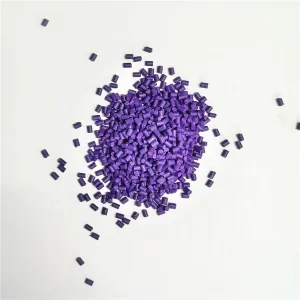
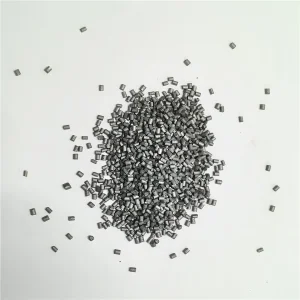
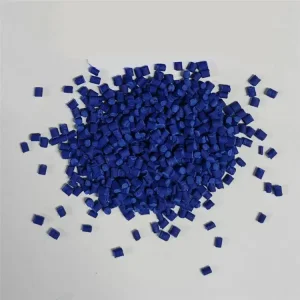
Browse our extensive selection of high-stability color and functional masterbatches trusted by global polymer convertors.
Expert Answers to Critical Engineering Questions Regarding Polyethylene Color Concentrate Pellets