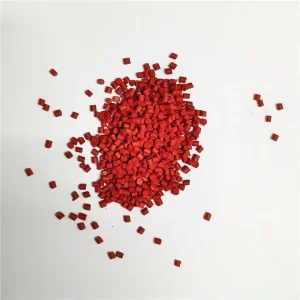
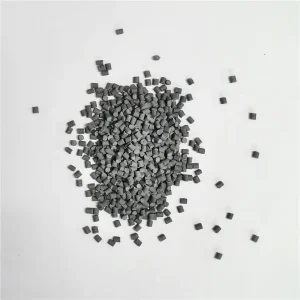
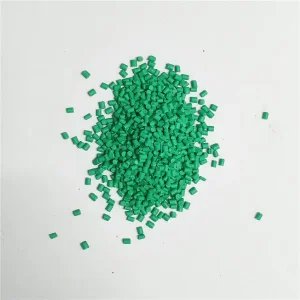
Engineered specifically for non-woven polypropylene/polyethylene shopping bag production, blown film extrusion, and high-speed injection molding lines.
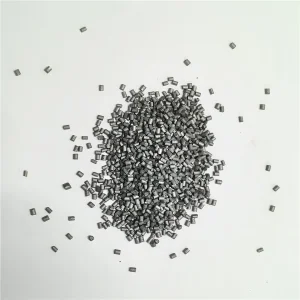
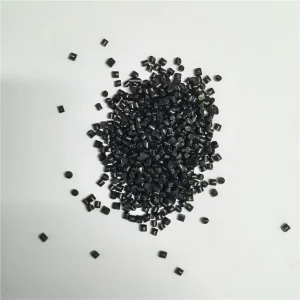
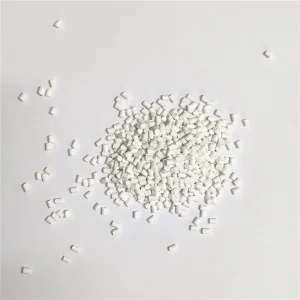
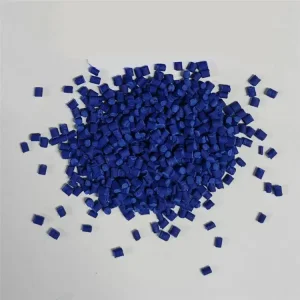
Macro-economic shifts, single-use plastic restrictions, and polymer engineering breakthroughs are redefining global non-woven masterbatch procurement standards.
The global transition toward sustainable packaging has elevated Polyethylene (PE) and Polypropylene (PP) non-woven shopping bags from simple eco-friendly alternatives to high-performance, branded consumer carrying solutions. As global regulatory bodies enforce strict bans on conventional single-use plastic bags, demand for reusable spunbond non-woven carrier bags has surged exponentially. However, for non-woven fabric converters, producing vibrant, lightfast, tear-resistant, and cost-effective bags requires masterbatches engineered to meet extreme processing demands.
Masterbatch formulation for non-woven spunbond extrusion is technically distinct from standard blown film or injection molding coloring. Spunbond processing forces molten polymer through micro-diameter spinneret nozzles (often down to 0.15–0.3 mm) at speeds exceeding several thousand meters per minute. Any microscopic agglomeration of pigment particles, melt-flow inconsistency, or thermal degradation instantly results in filament breakage, filter screen clogging, uneven fabric GSM (grams per square meter), and costly production downtime.
Understanding carrier matrix compatibility, Melt Flow Index (MFI) alignment, anti-migration additives, and thermal stability in PE carrier color concentrate production.
We utilize premium linear low-density polyethylene (LLDPE) and low-density polyethylene (LDPE) resins with tailored Melt Flow Index (MFI 20–40g/10min) to match the host spunbond polymer, preventing melt fracture, fiber surging, and phase separation during high-speed extrusion.
Using twin-screw co-rotating extruders operating with specialized kneading element configurations, organic and inorganic pigment agglomerates are sheared down to sub-micron particle sizes, preventing spinneret orifice blockage.
Incorporating Hindered Amine Light Stabilizers (HALS) and UV absorbers, our masterbatches deliver lightfastness ratings of 7–8 on the Blue Wool Scale, ensuring reusable non-woven shopping bags preserve color brilliance under sunlight exposure.
Leveraging Changzhou's world-class chemical industrial cluster to deliver uncompromised quality, competitive pricing, and agile supply chain response times.
Headquartered in Changzhou, Jiangsu Province, Changzhou Jiazhou Plastic Products Co., Ltd. has spent over 16 years perfecting masterbatch manufacturing for global plastic converters. Operating out of a state-of-the-art 6,000 m² production facility, Jiazhou bridges high-capacity industrial throughput with meticulous technical precision.
China's chemical manufacturing ecosystem provides unrivaled access to high-purity Titanium Dioxide (rutile anatase), premium Phthalocyanine pigments, and specialized additive wax systems. By combining local raw material integration with advanced European twin-screw compounding lines, Jiazhou delivers masterbatch formulations that equal Western technical standards at significantly optimized economies of scale.
Equipped with Datacolor spectrophotometers and automated dosing systems, our laboratory achieves precise Pantone and RAL color matching within 3 to 5 business days, guaranteeing Delta E < 0.8 consistency across consecutive production batches.
Every production lot undergoes rigorous melt flow testing, ash content analysis, thermogravimetric testing (TGA), and Filter Pressure Value (FPV) verification. Fully compliant with ISO9001, RoHS, REACH, and FDA heavy-metal free standards.
From heavy-duty retail tote bags to medical non-wovens, explore how Jiazhou masterbatches empower multi-sector applications.
Delivers deep opacity, high tensile strength retention, and brilliant coloration for non-woven supermarket totes, luxury boutique bags, and promo gift carry-alls.
Non-toxic, skin-contact safe formulations engineered for medical gowns, surgical drapes, face mask outer layers, and sanitary non-woven substrates.
UV-stabilized non-woven fabrics designed for frost protection, crop shading, and weed barrier membranes capable of enduring 2–5 years of outdoor exposure.
Key criteria procurement officers and polymer plant managers must evaluate when choosing a long-term masterbatch supplier.
When sourcing masterbatch globally, looking strictly at the per-kilogram price often leads to hidden operating losses. Low-grade masterbatches containing coarse fillers or poor dispersion additives cause excessive filter screen blinding, frequent extruder shutdowns, fiber tearing, and high scrap rates. A complete evaluation requires evaluating the Total Cost of Ownership (TCO).
Higher pigment loading (up to 40%–70% TiO2 or organic pigments) allows converters to reduce masterbatch let-down ratios (LDR) from standard 4% down to 1.5%–2%, directly cutting raw material procurement cost per ton of non-woven fabric.
High-purity compounding extends spinneret filter screen life by up to 300%, preserving machine throughput and reducing labor costs associated with manual filter replacements.
Expert responses to critical engineering and sourcing questions regarding PE/PP non-woven shopping bag masterbatches.
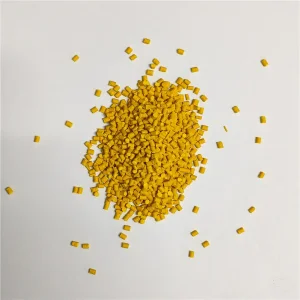
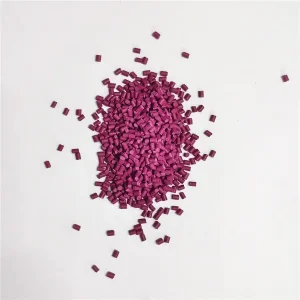
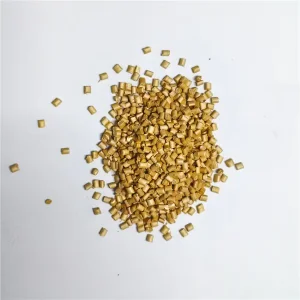
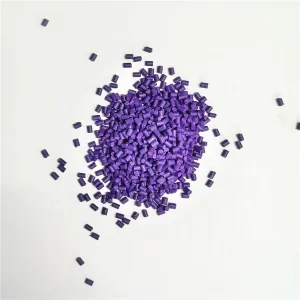
Select from our comprehensive line of color concentrates engineered for film blowing, non-woven extrusion, and injection molding applications.