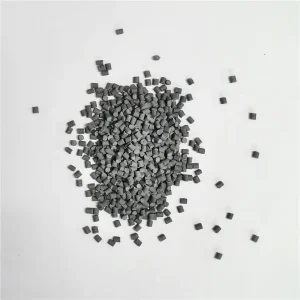
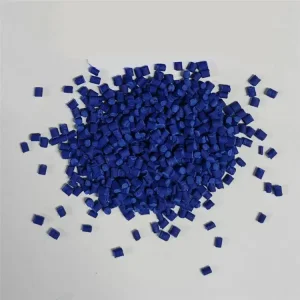
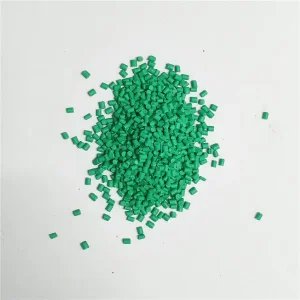
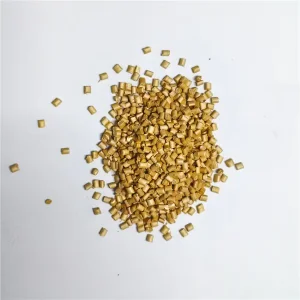
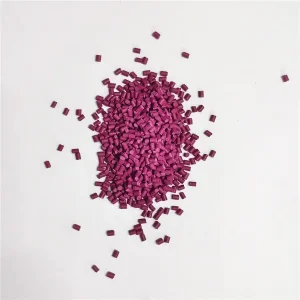
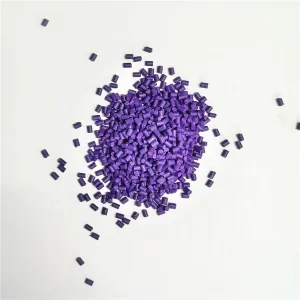
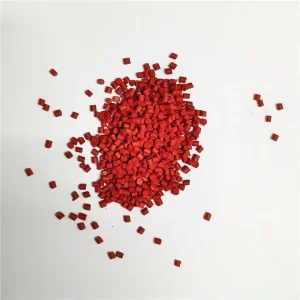
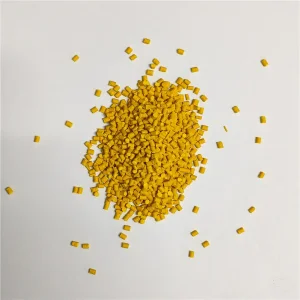
Engineered specifically for heavy-duty foot mat extrusion, TPE/TPO/PE injection molding, and thermoforming applications.
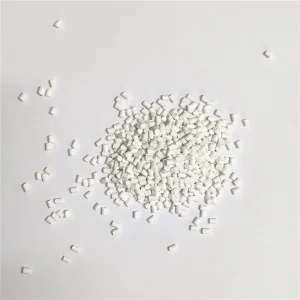
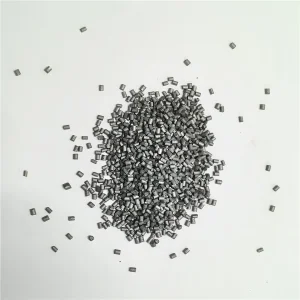
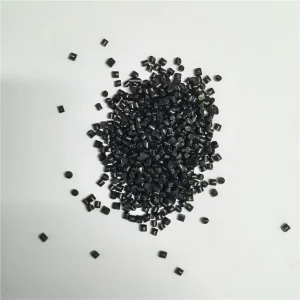
The global floor covering and automotive interior component sectors demand unprecedented material reliability, non-blooming color migration safety, dynamic tactile flexibility, and extreme thermal resilience. As Tier-1 OEMs and heavy-duty industrial floor mat converters transition toward high-performance Polyethylene (PE), Thermoplastic Elastomer (TPE), and Thermoplastic Olefin (TPO) polymer matrices, selecting an elite masterbatch formulation becomes paramount.
High-quality PE plastic foot mat masterbatches act as the structural colorant and functional modifier core. Formulated using micro-milled organic and inorganic pigments dispersed within a narrow molecular weight distribution (MWD) Polyethylene carrier, these masterbatches eliminate common processing bottlenecks such as die build-up, dispersion streaks, plasticizer migration, and offensive Volatile Organic Compound (VOC) off-gassing.
Technical Superiority Note: Standard masterbatch formulations often suffer from pigment agglomeration, leading to pinholes in extruded sheets, surface bloom in molded 3D/5D car mats, and inconsistent color matching across batch production runs. Premium PE carriers engineered with specific Melt Flow Index (MFI) values ensure uniform shear distribution across twin-screw compounding lines.
Analysis of technological disruptions, material substitutions, and regulatory shifts shaping the international plastic foot mat supply chain.
Global automotive interior standards (such as GB/T 27630, VDA 270, and EU REACH regulations) are rapidly phasing out traditional flexible Polyvinyl Chloride (PVC) foot mats due to toxic phthalate plasticizers and heavy odor emission. Modern 3D all-weather floor liners utilize Low-Density Polyethylene (LDPE), Linear Low-Density Polyethylene (LLDPE), and modified TPE compounds, requiring specialized PE-compatible masterbatches with zero toxic leaching.
Vehicle passenger cabins act as enclosed micro-environments. Thermal exposure under direct sunlight can trigger material outgassing, leading to windshield fogging and occupant discomfort. Leading masterbatch suppliers integrate proprietary desiccant additives, odor absorbers, and high-purity synthetic pigment complexes to satisfy stringent DIN 75201 fogging tests and VDA 270 olfactory scoring criteria.
Circular economy mandates require foot mat manufacturers to incorporate 20% to 50% recycled plastic resins (rPE/rPP). Post-consumer resins possess inconsistent inherent color baseline tones and thermal histories. Advanced masterbatch technology uses ultra-opaque, high-tinting-strength formulations to mask variable PCR feedstocks while restoring tensile elongation and impact performance.
Key technical evaluation parameters used by corporate procurement managers, chemical engineers, and OEM plastic converters when qualifying masterbatch vendors.
A critical failure mode in sheet extrusion and injection molding occurs when carrier resins exhibit melt index mismatches relative to the base polymer matrix. If the masterbatch melt flow index (MFI) is substantially lower than the host resin, incomplete mixing results in visual marbling, surface roughing, and mechanical weak points.
Our PE masterbatches are tailored across melt flow spectrums (from 2 g/10min to 45 g/10min at 190°C/2.16kg), ensuring instantaneous shear integration without altering cycle times or screw backpressure settings.
Foot mats are subjected to persistent foot friction, liquid exposure (water, mud, road salt), and temperature fluctuations ranging from sub-zero winter environments to interior summer heat exceeding 70°C. Low-grade organic dyes tend to migrate (bloom) to the surface, creating chalky residues or staining leather/fabric shoes.
We utilize high molecular weight, non-migratory organic pigments (e.g., phthalocyanines, quinacridones) and inorganic metal oxide complexes that form covalent cross-physical locks within the PE matrix.
Automotive foot mats located near door sills and glass windows face extreme Ultraviolet (UV) radiation. Pigment degradation manifests as color shifting, chalking, embrittlement, and surface cracking.
By blending Hindered Amine Light Stabilizers (HALS) and UV absorbers (Benzotriazoles) directly into the masterbatch, our products achieve Blue Wool Scale ratings of 7–8 and ISO 4892-2 xenon-arc weatherometer performance over 1,500 accelerated hours.
Modern international trade requires strict conformity with hazardous substance bans. Lead (Pb), Cadmium (Cd), Hexavalent Chromium (Cr6+), Mercury (Hg), Polybrominated Biphenyls (PBB), and Polybrominated Diphenyl Ethers (PBDE) are strictly prohibited.
All Jiazhou PE masterbatch formulations comply with EU Directive 2011/65/EU (RoHS 2.0), REACH SVHC candidate lists, FDA 21 CFR food contact parameters (for specific grade requirements), and California Proposition 65 regulations.
Engineering high-performance PE plastic foot mat masterbatches requires precise control over twin-screw extruder thermal profiles, shear rates, surface-tension matching, and dispersion chemistry. Below is the multi-layered technical matrix that governs Jiazhou masterbatch compounding.
| Performance Characteristic | Standard Masterbatch | Jiazhou Engineered PE Masterbatch | Testing Protocol |
|---|---|---|---|
| Pigment Dispersion Particle Size | 15.0 – 25.0 microns | < 2.5 microns (High-Shear Micro-Milled) | ISO 18522 Filter Pressure Value (FPV) |
| Thermal Stability Range | 180°C – 210°C | 240°C – 260°C (Non-degrading) | DIN EN 12877-2 Heat Fastness |
| VOC Off-gassing Rating | Moderate to High (> 120 µg/g) | Ultra-Low (< 15 µg/g VOC/FOG) | VDA 278 Thermal Desorption |
| Olfactory (Odor) Index | Grade 4.0 – 5.0 (Strong Smell) | Grade 2.0 – 2.5 (Neutral / Odorless) | VDA 270 Odor Test (80°C Storage) |
| Color Fastness to Light | Grade 4 – 5 (Blue Wool) | Grade 7 – 8 (Blue Wool Maximum) | ISO 105-B02 Xenon Arc Exposure |
| Additive Integration | Pigment Only | Synergistic AO + HALS + Anti-Static | DSC / TGA Thermal Analysis |
Pigment agglomerates must be mechanically broken down to their primary particle dimensions (nanometer to low-micron range) during the extrusion melt stage. Our manufacturing facility utilizes high L/D ratio (48:1 or 52:1) co-rotating twin-screw extruders equipped with specialized kneading blocks and mixing elements. This ensures uniform dispersive and distributive mixing without degrading carrier polymer chain lengths.
To prevent inorganic pigments (such as Titanium Dioxide in white masterbatch or Carbon Black in black masterbatch) from agglomerating due to high surface energy, we incorporate organosilane and titanate coupling agents. These molecular bridges lower interfacial tension between polar inorganic particles and the non-polar Polyethylene polymer backbone, improving melt liquidity and surface gloss.
Pioneering smart functional additives and eco-efficient masterbatch carrier systems for the next decade of surface protection products.
Replacing fossil-derived polyethylene carriers with 100% bio-based sugarcane polyethylene (Bio-LDPE), shrinking total carbon footprint by up to 70% per metric ton produced.
Integrating microscopic porous aluminosilicate molecular sieves that permanently capture residual free monomers and VOC compounds inside vehicle passenger cabins.
Utilizing near-infrared (NIR) reflecting black and dark grey masterbatches to minimize heat absorption in parked vehicles exposed to direct solar radiation.
Co-extruding fluoropolymer-free hydrophobic masterbatch additives that lower floor mat surface energy, enabling dirt and liquid mud to rinse off easily with plain water.
Changzhou Jiazhou Plastic Products Co., Ltd. maintains a complete ISO 9001:2015 Quality Management System and ISO 14001:2015 Environmental Management Infrastructure. Our technical services extend far beyond granule delivery:
Equipped with Datacolor spectrophotometers and automated computer color matching (CCM) software, our laboratory delivers precise target matches for Pantone, RAL, or physical OEM plastic master samples within 3 to 5 business days.
Every production batch undergoes computerized Delta E (ΔE) tolerance testing. We enforce strict threshold limits of ΔE < 0.5 compared to approved golden samples, eliminating batch-to-batch color variance for high-volume automotive suppliers.
Located in Changzhou, Jiangsu, near major ocean ports (Shanghai and Ningbo), we offer palletized moisture-proof vacuum packaging (25kg bags or 1000kg bulk octabins) with short lead times and complete export documentation (MSDS, COA, REACH registration).
Detailed engineering guidance for foot mat manufacturers and polymer purchasing agents.
The standard let-down ratio (LDR) typically ranges between 1.5% and 4.0%, depending on pigment loading, thickness of the extruded sheet or injection-molded mat, and target opacity. For ultra-thin films or light shades (such as grey, tan, or white), a 2.0% to 3.0% dosage yields optimum hiding power. For high-concentration carbon black masterbatches used in heavy-duty commercial mats, 1.5% to 2.5% is sufficient to achieve deep jetness and UV protection.
Yes. Low-Density Polyethylene (LDPE) and Linear Low-Density Polyethylene (LLDPE) carriers possess high polymer chain flexibility and non-polar compatibility, making them universally compatible with Polypropylene (PP), Thermoplastic Elastomers (TPE-SEBS, TPE-S), and Thermoplastic Olefins (TPO). However, for rigid engineering plastics (such as ABS, PA, or PC), dedicated matrix-matched carriers should be used.
We select prime polymer resins with minimal residual monomer contents and refine our extrusion process using dual vacuum-degassing zones on our compounding extruders. Furthermore, we exclude low-molecular-weight paraffin waxes and unrefined mineral oils, utilizing specialized high-purity synthetic dispersion aids that pass VDA 270 olfactory and VDA 278 thermal desorption testing.
Color migration occurs when organic pigment molecules possess slight solubility in the polymer matrix at elevated processing temperatures. Upon cooling, insoluble dye molecules crystallize and migrate to the surface. Jiazhou prevents blooming by formulating strictly with high molecular weight organic pigments and inorganic complex inorganic color pigments (CICPs) that are completely insoluble in polyolefins.
Masterbatches are shipped in heavy-duty 25kg multi-layer moisture-proof paper-plastic composite bags lined with PE inner bags. Materials should be stored in a cool, dry, well-ventilated warehouse away from direct sunlight, moisture, and heat sources. Unopened bags have a shelf life of 24 months. If stored in high-humidity conditions, pre-drying at 70°C for 2 hours before processing is recommended.
Explore our high-concentration masterbatch solutions designed for injection molding, blown film, and sheet extrusion.