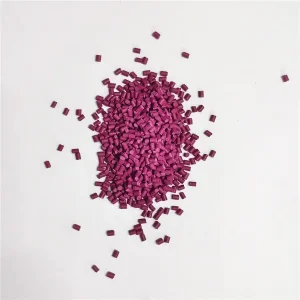
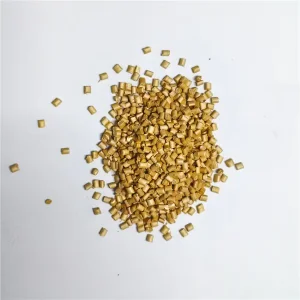
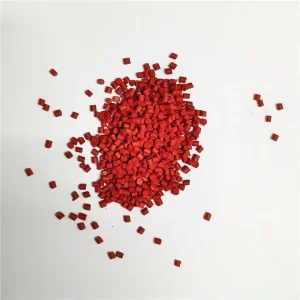
Engineered for ultra-high draw-down ratios, zero melt fracture, and 100% migration-safe food contact extrusion. Explore our core masterbatch portfolio optimized for plastic straw manufacturing.
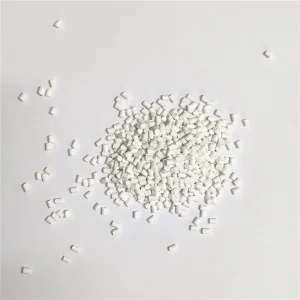
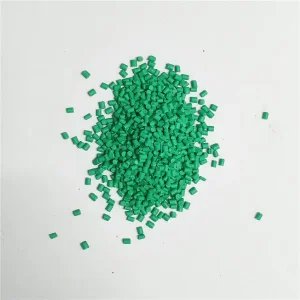
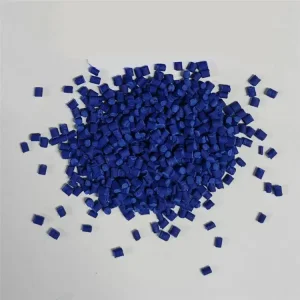
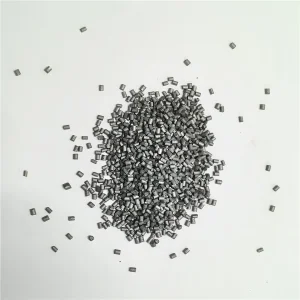
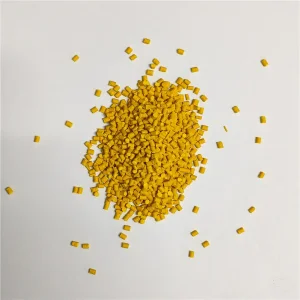
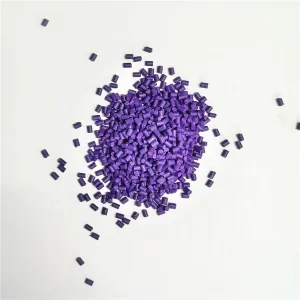
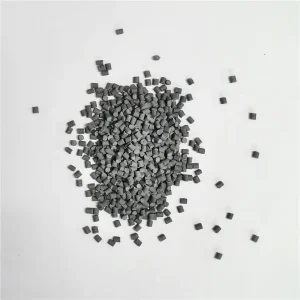
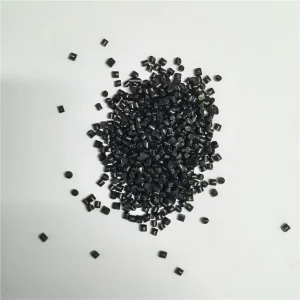
The global single-use and reusable plastic straw manufacturing industry relies heavily on specialized polymer colorants known as Polyethylene (PE) Straw Masterbatches. Driven by stringently regulated food-contact standards, modern Quick-Service Restaurant (QSR) chains, beverage packaging processors, and aseptic carton manufacturers demand color masterbatches that deliver uncompromising chemical safety, vibrant visual appeal, and exceptional melt rheology during ultra-high-speed extrusion processes.
Polyethylene (specifically LLDPE and LDPE) remains a primary resin carrier choice for plastic straw extrusion due to its superior ductility, mechanical flexibility, and ease of processing. However, coloring virgin PE polymers requires sophisticated compounding technology. Standard colorants often suffer from pigment agglomeration, dielectric degradation, or heavy metal contamination, which can cause micro-voids, wall ruptures, or non-compliance with strict international health directives.
Leading global manufacturers, such as Changzhou Jiazhou Plastic Products Co., Ltd., have pioneered food-grade PE masterbatches featuring organic pigment micro-dispersions, antioxidant stabilizer matrices, and processing aids engineered for draw-down ratios exceeding 300 meters per minute without tube collapse or color streaking.
Rigorous physical and chemical metrics established for high-speed single-layer and multi-layer plastic straw extrusion lines.
| Parameter Test Item | Standard Specification | Testing Methodology | Industrial Impact on Straw Extrusion |
|---|---|---|---|
| Carrier Polymer Base | LLDPE / LDPE (MFI: 20–45 g/10min) | ASTM D1238 / ISO 1133 | Ensures zero viscosity mismatch with matrix resin, eliminating surface melt fracture. |
| Pigment Loading | 30% – 50% High Concentration | TGA Ash Content Analysis | Low let-down ratios (1% to 3%), lowering overall raw material procurement costs. |
| Filter Pressure Value (FPV) | < 0.8 bar/g (100 mesh screen) | EN 13900-5 Standard | Prevents nozzle clogging and micro-holes in thin-walled straws (<0.15mm wall thickness). |
| Heat Resistance | 220°C – 260°C (No shade shift) | DIN EN 12877-2 | Guarantees color integrity during hot melt extrusion and high-temperature sanitization. |
| Migration Fastness Rating | Level 5 (Zero bleeding/migration) | ISO 105-X12 / Food Simulants | Safe contact with acidic carbonated drinks, oily liquids, and dairy beverages. |
| Heavy Metal Compliance | Pb, Cd, Hg, Cr(VI) < 100 ppm total | RoHS / REACH / FDA 21 CFR | Fully compliant with international food packaging and infant safety guidelines. |
Modern PE plastic straw masterbatches must strictly comply with FDA 21 CFR 177.1520, EU Regulation No 10/2011, and China's GB 4806.6. Formulation matrices exclude primary aromatic amines (PAA), bisphenol A (BPA), and phthalate plasticizers to guarantee zero chemical extraction into consumer beverages.
Extrusion temperatures for straw production range between 180°C and 240°C. Jiazhou's masterbatches incorporate synergistic primary and secondary antioxidants (Hindered Phenols & Phosphites) to prevent polymer chain scission, thermal yellowing, and pigment degradation during continuous high-output processing.
As the plastic industry shifts toward sustainability, straw masterbatch carriers are being adapted for compatibility with Post-Consumer Recycled Polyethylene (PCR-PE) and Bio-based PE resins. Advanced dispersants bridge interfacial tension gaps, preserving mechanical impact strength and puncture resistance.
The extrusion of thin-walled plastic straws presents unique fluid dynamics challenges. A standard drinking straw features wall thicknesses down to 0.10mm to 0.20mm while requiring high hoop strength and smooth surface finishes. Any micro-agglomerate larger than 5 microns acts as a stress concentration point, leading to high scrap rates, pinhole formation, or split straw ends during automated high-speed wrapping and cutting operations.
To overcome dispersion limits, modern masterbatch factories utilize high-torque, co-rotating twin-screw extruders equipped with specific screw geometries featuring extensive kneading blocks and shear-intensive mixing elements. This shear break-down reduces pigment particle sizes to the sub-micron scale, creating a homogenous compound with uniform tinting power.
By employing surface-modified hyper-dispersants, pigment agglomerates are coated during compounding. This prevents re-agglomeration upon cooling, granting high color yield at minimal dosage rates (1.5% to 2.5% let-down ratios).
Specialized PE straw masterbatches are multi-functional. They integrate organic slip additives (Erucamide/Oleamide) and inorganic anti-blocking agents to control friction coefficients (CoF < 0.2), enabling fast tube ejection and smooth packaging feed.
Tailored formulations tailored to specific beverage packaging formats, industrial machinery specs, and end-user environments.
High-speed flexible straw machines require corrugated bending zones that undergo severe mechanical flexing. Our LLDPE masterbatches deliver high ductility, preventing micro-stress whitening or physical fracture at corrugated joints.
Wide-diameter straws (10mm to 12mm) require sharp-angled, pointed ends for piercing cup sealing films. Masterbatch formulations enhance polymer melt strength, ensuring clean, burr-free angled cutting at the extrusion die.
Extruded cleanroom PE straws and micro-pipettes used in laboratory diagnostic kits require medical-grade color masterbatches verified under ISO 10993 cytotoxicity and bio-compatibility standards.
Addressing key engineering queries regarding PE straw colorant procurement, dosage optimization, and extrusion troubleshooting.
The standard let-down ratio ranges from 1.5% to 3.0% depending on the pigment concentration and desired opacity. For ultra-thin drinking straws, a 2% LDR typically achieves maximum color saturation while maintaining optimal melt flow stability.
Using a virgin LLDPE/LDPE carrier with a Melt Flow Index (MFI) matched to your base resin prevents shear imbalance inside the barrel. Matched viscosity reduces die build-up, prevents melt fracture, and allows extrusion line speeds above 250 m/min.
Yes. All Jiazhou food-grade color masterbatches are formulated without heavy metals, toxic fillers, or restricted plasticizers. They comply fully with FDA 21 CFR 177.1520, EU 10/2011, and RoHS/REACH standards.
Color migration is prevented by selecting highly insoluble organic pigments and high-molecular-weight carrier resins. Our masterbatch series undergoes rigorous extraction testing in food simulants (3% Acetic Acid, 10% Ethanol, Rectified Olive Oil) to ensure zero dye leaching.
Yes. Changzhou Jiazhou operates an in-house spectrophotometer color lab. We provide exact custom matching for Pantone, RAL, or physical target samples within 3 to 5 business days, complete with technical datasheets (TDS).
Masterbatches should be stored in cool, dry conditions inside sealed moisture-barrier bags. When stored properly away from direct sunlight, product shelf life exceeds 24 months. Pre-drying at 70°C for 2 hours is recommended if stored in high-humidity zones.
High-concentration pigment options engineered for blown film, injection molding, and continuous profile straw extrusion.