Explore high-dispersion, thermal-stable PE masterbatch solutions engineered for injection molding, blown film, and high-speed extrusion profiles.
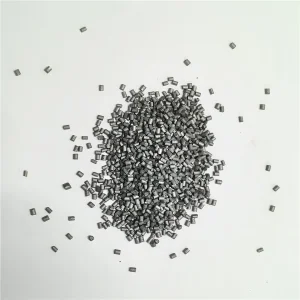
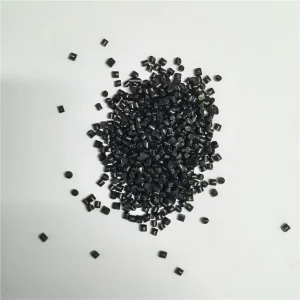
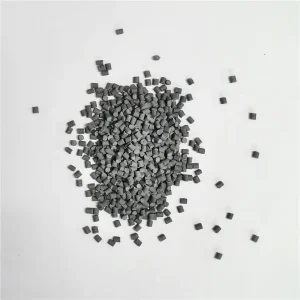
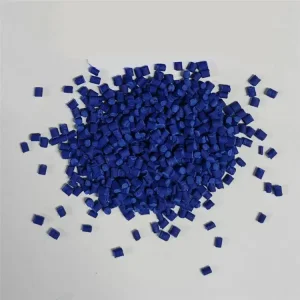
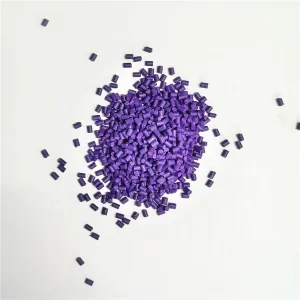
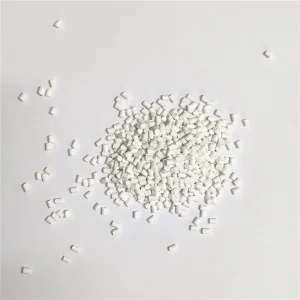
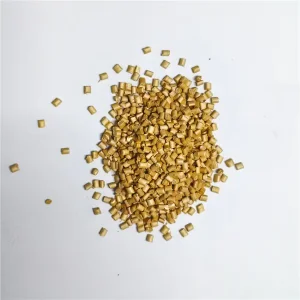
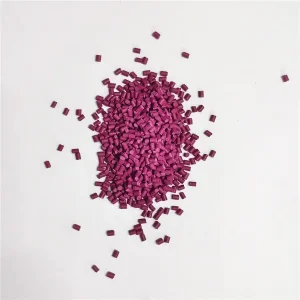
An authoritative analysis of carrier chemistry, pigment dispersion kinetics, market forces, and production standards in modern thermoplastic coloration.
In the rapidly evolving landscape of global polymer processing, **Pink Polyethylene (PE) Masterbatch** has transitioned from a niche aesthetic selection to a high-demand colorant critical across diverse sectors including FMCG packaging, medical disposables, agricultural protective films, toy manufacturing, and high-end cosmetic containers. Producing a consistent, non-migratory, and thermally stable pink shade in polyethylene (LDPE, LLDPE, HDPE) demands advanced molecular compounding techniques. Unlike conventional primary shades, pink formulations rely on precise micro-blends of high-tinting organic pigments (such as Quinacridones, Magenta PR122, or Rhodamine complexes) combined with ultrafine rutile Titanium Dioxide ($TiO_2$) acting as an opacifying brightener.
Leading international factories and specialized compounding suppliers face stringent processing parameters: pigment agglomeration must be systematically eliminated to prevent filter clogging during thin blown film extrusion, while thermal degradation must be controlled at operational processing temperatures exceeding 260°C. This technical guide synthesizes empirical industry research, regulatory frameworks, and advanced compounding workflows for global procurement executives and polymer engineers.
When auditing top-tier masterbatch manufacturers, technical procurement teams evaluate key physical and chemical performance indicators to ensure batch-to-batch consistency and seamless processing on automated injection and extrusion lines:
| Performance Parameter | Standard Test Method | High-Grade Technical Specification | Industrial Impact |
|---|---|---|---|
| Pigment Dispersion Index | ISO 18553 / Pressure Filter Test (DIN EN 13900-5) | < 0.8 bar/g (200 mesh filter grid) | Prevents film pinholes, fiber breakage, and surface specks during high-speed extrusion. |
| Heat Thermal Stability | EN 12877-2 (5 min dwell time) | 260°C – 280°C Rating | Eliminates color shift, degradation, or gas voiding during long-cycle injection molding. |
| Lightfastness (Outdoor UV) | ISO 105-B02 (Blue Wool Scale) | Grade 7 to 8 (Superior Resistance) | Prevents fading and photo-oxidation in agricultural mulch film and outdoor consumer goods. |
| Color Tolerance ($\Delta E$) | CIELAB (D65 Illuminant, 10° Observer) | $\Delta E \le 0.50$ vs. Master Target | Guarantees exact color matching for multi-component consumer product assemblies. |
| Melt Flow Index (MFI) | ASTM D1238 / ISO 1133 (190°C / 2.16kg) | Tailored 1:1 to Base Polymer MFI (e.g., 4–20 g/10min) | Ensures rapid, homogenous distributive mixing inside extruder barrels without phase separation. |
The global demand for specialized PE color masterbatches is undergoing structural shifts driven by changing consumer aesthetics, regulatory mandates, and sustainable manufacturing practices:
Using virgin LDPE, LLDPE, or HDPE resin carriers with exact density and MFI matching eliminates delamination, flow lines, and structural weakening of finished products.
Utilizing co-rotating twin-screw compounding lines with high length-to-diameter (L/D) ratios (40:1 to 44:1) guarantees agglomerate-free pigment shearing down to sub-micron scales.
Incorporating specialized polar wax slip agents and thermal stabilizers prevents dye plate-out on injection mold surfaces and eliminates pigment bleeding onto food contact layers.
Engineered Pink PE Masterbatch formulations serve as multi-functional additive systems tailored to specific plastic processing equipment and end-use applications:
1. Thin-Gauge Blown Film Extrusion (Shopping Bags, Agricultural Film, Courier Envelopes):
In blown film processes, bubble instability and pinhole formation are primary defects caused by poorly dispersed pigment lumps. High-grade pink masterbatch incorporates low-molecular-weight polyethylene waxes and micro-fine $TiO_2$ that optimize melt strength. This permits uniform stretch ratios during high-speed film blowing, ensuring opacity, tear strength, and vibrant, streak-free coloration down to 15-micron film thicknesses.
2. Complex Injection Molding (Cosmetics, Home Appliances, Toys):
During high-pressure injection molding, masterbatch must melt rapidly and homogenously within short screw cycle times. Formulations equipped with specialized internal lubricants prevent mold buildup (plate-out) and minimize warp/sink marks. The colorant maintains color purity across intricate tool geometries and multi-cavity molds without creating weak weld lines.
3. Blow Molding & Container Manufacturing (Bottles, Drums, Jars):
In extrusion blow molding (EBM) of bottles and containers, vertical parison sag can lead to uneven color density between the neck and base. Specialized PE masterbatches provide controlled rheological properties, maintaining uniform wall thickness, high impact strength, and excellent environmental stress crack resistance (ESCR) when containing aggressive cosmetic surfactant formulations.
Quantitative manufacturing standards enforced by industry-leading color masterbatch compounding facilities.
Navigating global regulatory compliance is essential for international brand owners and plastic converters. Premier Pink PE Masterbatch suppliers offer complete compliance portfolios tailored to destination markets across North America, the European Union, Southeast Asia, and the Middle East:
The plastic compounding industry is actively innovating to align with industry 4.0 standards and global sustainability targets:
AI-Driven Spectrophotometric Color Matching: Advanced factories utilize machine-learning algorithms connected to spectrophotometers. This technology predicts pigment interaction, automatically calculates multi-pigment recipes to match customer Pantone targets with sub-zero color error, and reduces custom sample turnaround times from weeks to 48 hours.
Bio-Based & Post-Consumer Recycled (PCR) PE Carriers: To support carbon neutrality goals, leading masterbatch manufacturers are introducing bio-PE carriers (derived from sugarcane bio-ethanol) as well as certified high-purity PCR-PE carriers. These allow converters to maintain color intensity while significantly increasing the total recycled content of their final end-products.
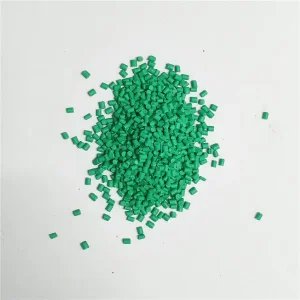
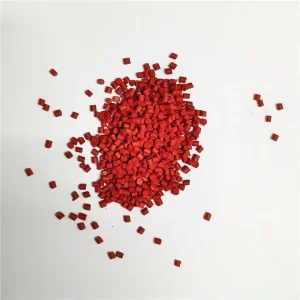
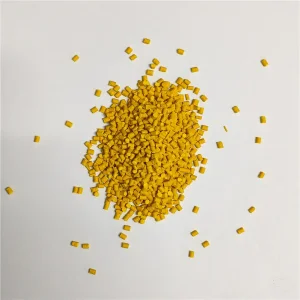
Browse our complete high-performance masterbatch product line engineered for maximum tinting strength, thermal endurance, and anti-fading properties.
Expert engineering answers to common procurement, formulation, and manufacturing queries regarding Pink PE masterbatches.