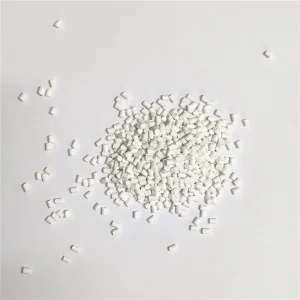
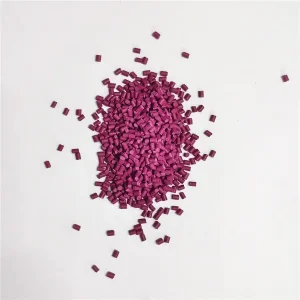
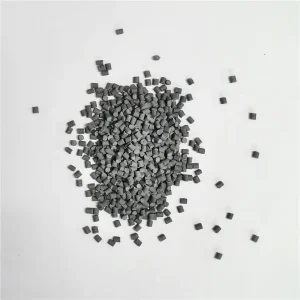
Engineered for high color density, precise pigment dispersion, and thermal stability across injection molding, film blowing, and profile extrusion.
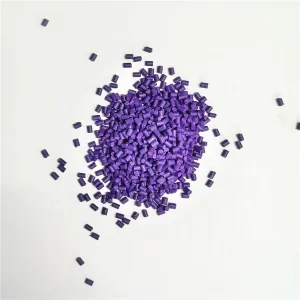
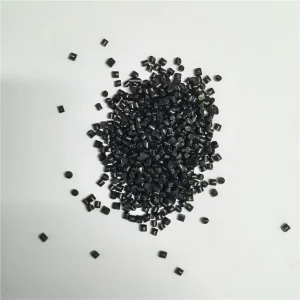
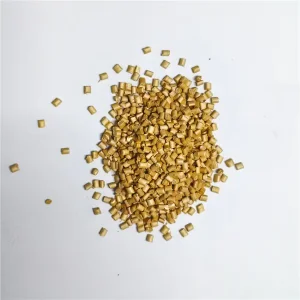
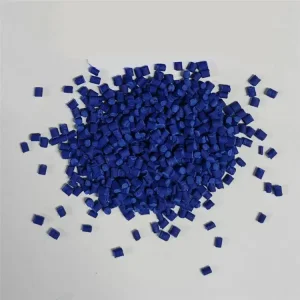
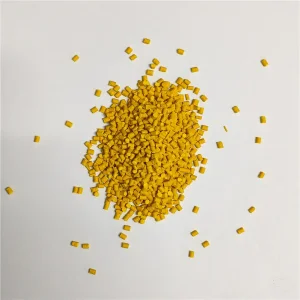
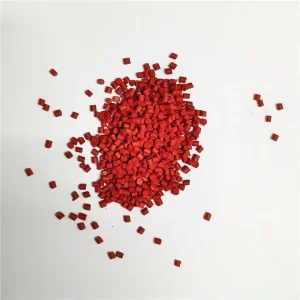
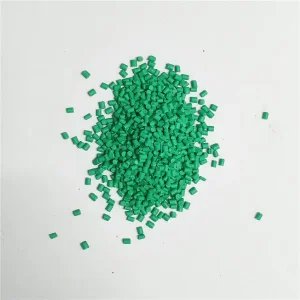
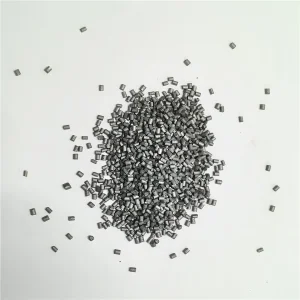
In modern polymer processing, the global reliance on high-performance plastic colorants and functional additive concentrates has never been more critical. As downstream processors face escalating demands for mechanical reliability, regulatory compliance, UV durability, and vibrant aesthetic appeal, selecting the right partner among global plastic master batch companies & factories becomes a strategic imperative. Masterbatches represent specialized encapsulated mixtures of organic/inorganic pigments or functional additives embedded into carrier resins during high-shear compounding processes.
Whether applied in high-speed agricultural film blowing, ultra-thin packaging extrusion, or heavy-duty injection molding for automotive components, masterbatches eliminate dust hazards, eliminate pigment agglomeration, and ensure color uniformity across massive production batches. This white paper offers an exhaustive exploration into compounding physics, raw material sourcing standards, China Industry 4.0 manufacturing innovations, and global procurement strategies designed to maximize return on investment (ROI) while minimizing scrap rates.
Technical Insight: Masterbatch quality is primarily defined by the Pigment Dispersion Index (PDI), carrier resin compatibility, and Melt Flow Index (MFI) alignment. High-tier factories leverage twin-screw co-rotating extruders to achieve sub-micron pigment particle distribution, guaranteeing smooth surface finish and non-fading color longevity.
The global masterbatch market is experiencing a profound paradigm shift driven by stringent environmental mandates (such as EU REACH, RoHS 3.0, and US FDA food contact rules), circular economy initiatives, and smart industrial automation. Procurement teams can no longer evaluate suppliers solely on unit price per kilogram; technical differentiation and eco-efficiency are now paramount.
Integration of Post-Consumer Recycled (PCR) polyolefins into masterbatch carriers, paired with biodegradable wax dispersion agents, helping brands achieve net-zero carbon targets without compromising mechanical tensile strength.
Advancements in surface-treated Titanium Dioxide (TiO2) rutile structures and specialty Carbon Black (high jetness grades) allowing up to 70% loading rates while maintaining low melt viscosity.
Synergistic combination of color pigments with UV-stabilizers (HALS), anti-oxidants (AO 1010/168), anti-static agents, and flame retardants into single, multi-functional masterbatch pellets.
Furthermore, high-speed processing machinery operating at extrusion speeds exceeding 300 meters per minute requires masterbatches with zero moisture content (under 0.05%) and tight filter pressure value (FPV) control. Leading Chinese factories have invested in continuous loss-in-weight gravimetric feeders and underwater pelletizing systems to prevent melt fractures and filter screen clogging during downstream production.
China’s leadership in global masterbatch manufacturing is built on more than just raw material volume—it is sustained by integrated industrial clusters, advanced automation, and complete supply chain transparency. Factories located in major chemical manufacturing hubs, such as Changzhou in Jiangsu Province, benefit from direct proximity to primary resin producers, pigment refiners, and international deep-water ports like Shanghai and Ningbo.
Modern Chinese masterbatch facilities, exemplified by Changzhou Jiazhou Plastic Products Co., Ltd. (operating with 16 years of dedicated industrial experience across 6,000 square meters of production space), have adopted Industry 4.0 frameworks to streamline operations:
By employing automated loss-in-weight feeding systems connected to computer-controlled twin-screw extruders, modern plants maintain consistent LDR (Let-Down Ratio) accuracy within ±0.1%. This guarantees batch-to-batch color repeatability, eliminating shade variances between initial sampling and full-scale commercial runs.
In-house laboratories equipped with Datacolor spectrophotometers, Melt Flow Indexing (MFI) units, and ash content analyzers measure Delta E color deviation values below 0.5. Every batch undergoes rigorous thermal stability testing up to 260°C to ensure zero degradation during high-temperature injection or extrusion process cycles.
This operational agility allows Chinese manufacturers to offer customized color formulations with lead times under 15 days, providing global buyers with superior supply chain resilience, flexible Minimum Order Quantities (MOQs), and cost performance that outpaces Western competitors.
When evaluating potential color masterbatch and filler masterbatch suppliers, procurement directors and polymer engineers must analyze several critical performance indicators. The table below outlines standard technical parameters utilized by top tier quality inspection teams:
| Technical Parameter | Standard Masterbatch Grade | Premium Industrial Grade (Jiazhou Standard) | Impact on Downstream Processing |
|---|---|---|---|
| Pigment Loading Rate | 20% – 30% | 40% – 70% (High Concentration) | Lower let-down ratio required; reduces unit production costs. |
| Thermal Stability | 200°C – 220°C | 260°C – 300°C (Anti-Fading) | Prevents color shifting and polymer chain scission at high temperatures. |
| Delta E Color Tolerance | < 1.5 | < 0.5 (Computer Matched) | Ensures perfect color consistency across multiple production lots. |
| Moisture Content | < 0.15% | < 0.05% (Vacuum Sealed) | Eliminates pinholes, silver streaks, and bubble breakages in blown films. |
| Carrier Compatibility | Single Carrier (PE only) | Universal / Engineered Carrier (PE/PP/ABS) | Prevents delamination, surface blooming, and loss of mechanical strength. |
The versatile formulation options provided by specialized masterbatch manufacturers serve a wide range of industrial applications, each with distinct chemical and mechanical requirements:
Use Cases: Courier bags, agricultural greenhouse films, shopping bags, and food-grade barrier films.
Requirements: Ultra-fine pigment particle dispersion to prevent pinholes, high opacity (white masterbatch with rutile TiO2), and anti-block additives to ensure smooth unwind performance.
Use Cases: Automotive interior trim, electronic device enclosures, housewares, and industrial crates.
Requirements: Anti-warping properties, high thermal resistance (up to 260°C), non-migration pigments, and excellent gloss retention without sacrificing structural rigidity.
Use Cases: HDPE water pipes, PPR conduit piping, corrugated drainage tubes, and outdoor architectural profiles.
Requirements: Long-term weatherability, UV stabilization, carbon black dispersion to resist environmental stress cracking (ESCR), and heavy-metal-free eco-compliance.
By adjusting pigment carrier melt flow rates to match matrix polymers, masterbatch formulators prevent processing issues like die buildup, melt fracture, and uneven wall thickness in high-speed extrusion lines.
Expert answers to critical questions regarding masterbatch selection, customized color matching, carrier resin compatibility, and export logistics.
Explore our complete inventory of weather-resistant, non-toxic PE color masterbatches engineered for extrusion, blow molding, and injection applications.