Engineered specifically for high-throughput plastic blown film, pipe extrusion, and heavy-duty injection molding operations in South America.
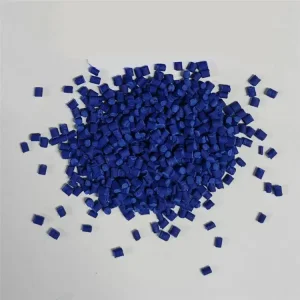
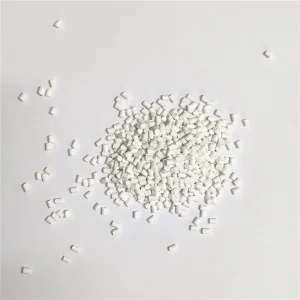
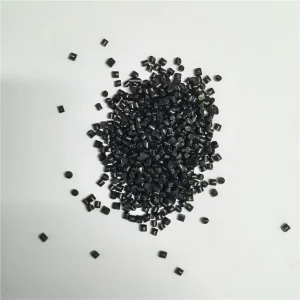
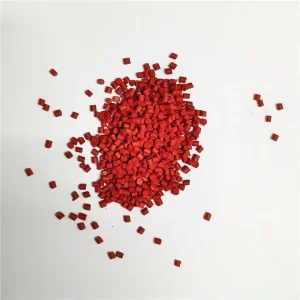
The Brazilian plastic processing sector is undergoing a structural transition towards high-performance polyolefin compounding and sustainable color additive integration. Driven by robust growth across agribusiness (silage bags, mulching films, drip irrigation pipes), flexible food packaging, personal care containers, and automotive components, Brazilian converters require high-concentration PE, PP, and engineering resin masterbatches capable of delivering tinting strength without compromising melt rheology.
Operating in tropical environments with high UV indices (particularly in Brazil's Northeast and Central-West agricultural belts), local converters face severe pigment degradation, chalking, and environmental stress cracking (ESCR) when inferior masterbatches are utilized. Procurement directors in Brazil are increasingly replacing raw organic/inorganic powder pigments with surface-treated micro-pelletized color masterbatches and functional filler masterbatches (CaCO3 / Talc) to eliminate dust pollution, minimize extruder screw wear, and optimize Total Cost of Ownership (TCO).
Achieving superior color homogeny and physical stability in high-speed extrusion lines requires sophisticated surface chemistry and thermal processing control during masterbatch manufacturing. Modern twin-screw co-rotating extrusion systems utilize state-of-the-art melt dispersion technology to coat nano-sized pigment particles evenly within carrier resins (LLDPE, LDPE, HDPE, PP).
Utilizing high-torque twin-screw compounding lines with targeted shear profiles, pigment clusters are broken down to sub-micron dimensions. This eliminates pinholes, streaks, and filter mesh clogging during thin-film blowing (down to 10 microns) for Brazilian flexible packaging lines.
Formulated with specialized antioxidant networks and heat stabilizers, our PE black, red, yellow, and blue color masterbatches resist thermal degradation, discoloration, and polymer chain scission during extended molding cycles in high-temperature injection machinery.
As Brazilian manufacturers transition toward Post-Consumer Recycled (PCR) resins in compliance with National Solid Waste Policy (PNRS), our masterbatches act as compatibilizers and color-masking agents, turning irregular recycled feedstocks into uniform, premium-looking finished goods.
| Masterbatch Category | Pigment Content (%) | Carrier Resin | Melt Flow Index (MFI) | Heat Resistance | Primary Industrial Application |
|---|---|---|---|---|---|
| PE White Masterbatch | 50% - 70% TiO2 (Rutile) | PE / LLDPE | 15 - 25 g/10min | 280°C | Milk pouches, agricultural film, food trays |
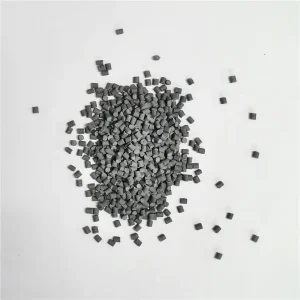
| PE Black Masterbatch | 30% - 50% Carbon Black | PE / Universal | 5 - 18 g/10min | 260°C | Geomembranes, corrugated pipes, drip tape |
| PE Color Masterbatches | 20% - 40% Organic Pigments | PE / PP Compatible | 10 - 30 g/10min | 260°C | Household crates, bottle caps, toys, woven bags |
| CaCO3 Filler Masterbatch | 75% - 85% Fine CaCO3 | LLDPE / HDPE | 1.5 - 4.5 g/10min | 240°C | T-shirt bags, raffia bags, blow molded bottles |
Tailored additive compounding solutions built to withstand harsh regional environmental challenges, high humidity, and intensive structural demands.
Brazil's agricultural dominance in soy, corn, and sugarcane requires agricultural films that survive intense UV degradation. Our weather-resistant PE White and Black masterbatches incorporate Hindered Amine Light Stabilizers (HALS) and rutile titanium dioxide to protect silage bags and greenhouse films for up to 36 months in field conditions.
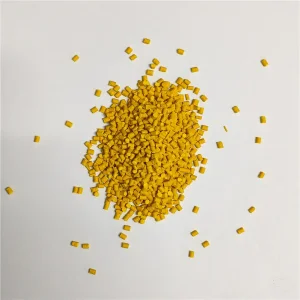
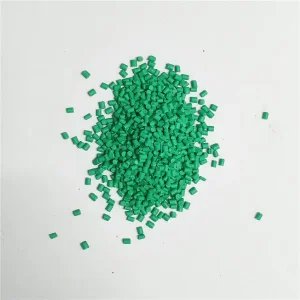
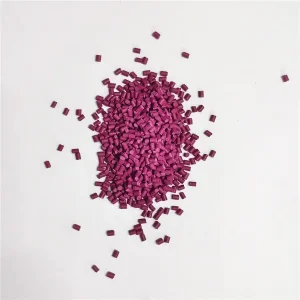
From blow-molded cosmetic bottles to injection-molded closures, visual branding demands batch-to-batch color repeatability. Our color masterbatches (Blue, Red, Yellow, Rose Red, Green) deliver high opacity and brilliant surface gloss while ensuring non-migration properties in contact with personal care liquids and food products.
Civil construction projects across Brazil require high-density polyethylene (HDPE) water conduits and gas piping with exceptional carbon black dispersion. Our PE Black Masterbatch provides uniform P-type carbon distribution, ensuring UV screening, long-term hydrostatic strength, and protection against oxidative stress.
Importing masterbatches and chemical inputs into Brazil requires strict adherence to federal administrative regulations, customs tax structures, and international safety certifications. Partnering with an established manufacturer ensures smooth customs clearance through major ports such as Porto de Santos, Porto de Paranaguá, and Rio de Janeiro.
For plastic packaging intended for food and beverage contact, masterbatches must comply with ANVISA Resolution RDC No. 51/2010 and RDC No. 326/2019. Formulations are free from heavy metals (Pb, Cd, Hg, Cr VI), primary aromatic amines, and toxic plasticizers, satisfying both MERCOSUR and FDA standards.
Our export documentation specialists provide precise tariff classification under Mercosur Common Nomenclature (NCM 3206.49.00 / 3824.99) alongside complete Certificate of Analysis (COA), Technical Data Sheets (TDS), and Safety Data Sheets (MSDS/FISPQ in Portuguese) to prevent customs bottlenecks.
All masterbatch grades strictly adhere to EU RoHS Directive 2011/65/EU and REACH SVHC provisions. This ensures that Brazilian exporters of finished plastic goods into North America and the European Union face zero trade barrier restrictions.
By leveraging China's robust upstream chemical ecosystem and integrated raw material sourcing (high-grade rutile TiO2, premium carbon black, organic pigments), we provide Brazilian enterprise buyers with unmatched cost-efficiency, superior batch consistency, and reliable volume scaling.
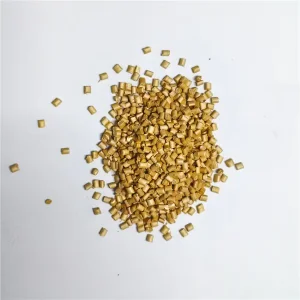
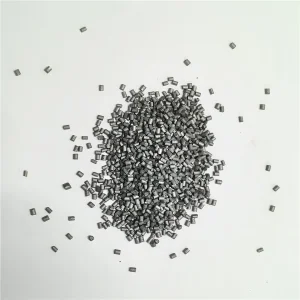
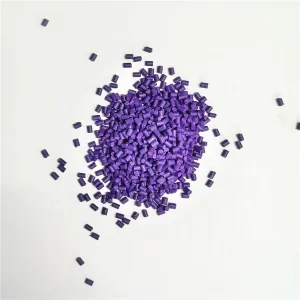
Full spectrum of high-concentration color masterbatches and specialized additive formulations engineered for high-speed processing.
Partner with a 16-year trusted masterbatch manufacturer. Accelerate your production efficiency, reduce polymer coloration costs, and receive custom color matchings within 3 working days.