Engineered for high-speed blown film, precision injection molding, and continuous pipe extrusion across West Java and East Java industrial hubs.
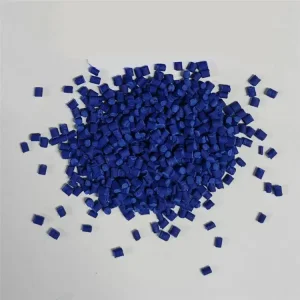
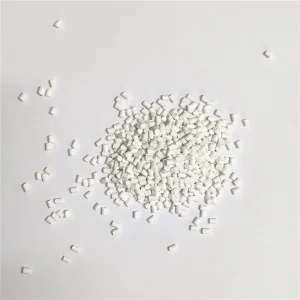
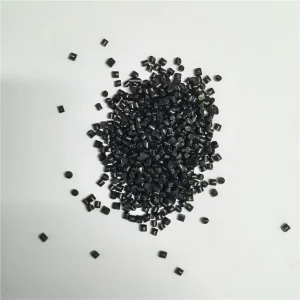
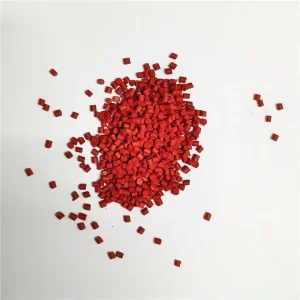
An in-depth structural analysis of Southeast Asia’s fastest-growing plastics processing corridor and its evolving raw material demands.
Indonesia has rapidly positioned itself as a major manufacturing powerhouse within Southeast Asia (ASEAN). Key industrial corridors such as Cikarang (Jababeka), Karawang (KIIC), Tangerang, and the Surabaya industrial zone are experiencing exponential growth in polymer processing. From flexible food packaging and agricultural greenhouse covers to automotive components and electronic housing, Indonesian plastics factories require consistent, high-purity raw material inputs.
However, local resin synthesis often faces variances in melt flow index (MFI) and base opacity. This creates a technical bottleneck for local converters trying to maintain high output speeds without structural defects. High-concentration color and filler masterbatches serve as the definitive catalyst—enabling Indonesian factories to stabilize melt fracture, optimize pigment dispersion, and reduce total cost per unit (CPU).
*Source: Regional Polymer Sourcing Index & ASEAN Industrial Manufacturing Analytics 2026.
How digital twin compounding systems and automated gravimetric dosing bridge the raw material gap for Indonesian factories.
Equipped with smart multi-component loss-in-weight feeders, our Chinese manufacturing lines ensure exact pigment-to-carrier ratios with zero batch deviation. This guarantees uniform color distribution across multi-ton factory orders in Indonesia.
Real-time machine vision inspection detects particle agglomerates and pinholes before pelletization. Every batch exported to Jakarta or Surabaya comes with an automated spectrophotometric analysis certificate (COA).
Leveraging RCEP tariffs and direct maritime freight lanes from Ningbo/Shanghai to Tanjung Priok (Jakarta) and Tanjung Perak (Surabaya), lead times are optimized to under 12-15 days from production to factory floor.
Specific technical requirements met by masterbatches across diverse Indonesian manufacturing sectors.
| Indonesian Industry Sector | Primary Processing Method | Target Technical Performance | Recommended Masterbatch Type |
|---|---|---|---|
| Agricultural Film & Mulch | Blown Film Extrusion | High UV blockage, anti-aging, high tensile strength retainment | PE Black / PE White Masterbatch with HALS Additives |
| FMCG Flexible Packaging | Multi-layer Co-extrusion | High opacity, low filter pressure value (FPV), non-toxic food contact | Rutile White PE Masterbatch (70% TiO2) |
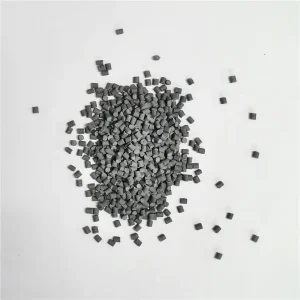
| Industrial Pipe & Fittings | HDPE / PP Pipe Extrusion | Deep jet-black pigment dispersion, anti-cracking, thermo-oxidative stability | High-Structure Carbon Black Masterbatch |
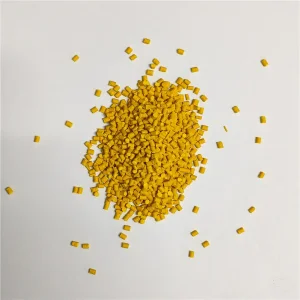
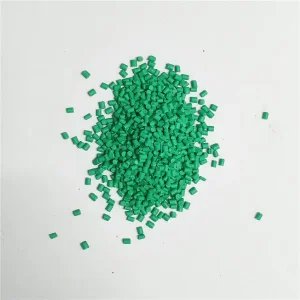
| Consumer Housewares & Toys | Injection Molding | Vibrant color tone, warp resistance, high melt flow index matching | PE / PP Color Masterbatches (Blue, Red, Yellow, Green) |
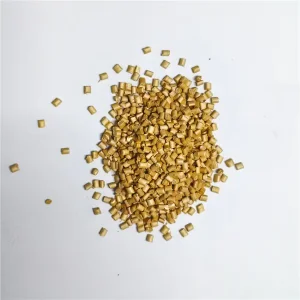
| Automotive Trim & Components | Precision Injection Molding | Anti-fading under tropical sun exposure, metallic aesthetics, scratch resistance | Silver, Gold & Custom Specialty Color Masterbatch |
In high-speed plastic manufacturing environments throughout Indonesia, carrier matrix mis-matching is a leading cause of process downtime, melt fracture, and mechanical failure. When masterbatch carrier resin does not match the melt flow rate (MFR) and thermal characteristics of the base polymer, phase separation occurs during shear in the extruder barrel.
Pigment particles (such as organic Phthalocyanine Blue or inorganic Titanium Dioxide) naturally exist as agglomerates. Proper twin-screw extrusion utilizes specialized dispersants, polyethylene waxes, and coupling agents to shear these agglomerates down to primary particle sizes below 1 micron. In our factories, dispersion quality is measured via the Filter Pressure Value (FPV) test in accordance with European Standard EN 13900-5. A lower FPV ensures that fine blown films (down to 10 microns) produce zero pinholes or streaks under high tension.
Indonesian injection molders processing engineering plastics often operate at barrel temperatures exceeding 240°C–260°C. Standard organic pigments decompose under prolonged heat exposure, leading to discoloration, gas venting, and structural voids. By selecting heat-stable organic chromophores combined with antioxidant packages, our masterbatch formulations retain complete spectral integrity and Delta E color consistency under extreme processing windows.
To combat rising virgin resin costs, Indonesian plastic factories heavily incorporate calcium carbonate (CaCO3) filler masterbatches into PE and PP production lines. Utilizing ultrafine, stearic-acid treated nano-calcium carbonate (1250 mesh to 3000 mesh), processors can achieve up to 30% filler loading without sacrificing impact strength, flexural modulus, or surface gloss.
Direct technical and commercial answers for Indonesian polymer purchasing managers, quality control engineers, and factory owners.
For high-concentration masterbatches (e.g., 70% TiO2 white or high-jetness black), the typical addition rate ranges from 1% to 3% depending on the desired opacity and film thickness. For heavy-duty agricultural mulch films or shopping bags produced in Tangerang or Surabaya, a 2% addition rate generally yields complete UV opacification and uniform coloration while minimizing raw material costs.
Direct sourcing from a certified Chinese Industry 4.0 manufacturer offers significant cost benefits (typically 15%–25% savings by cutting out intermediary markups) and guarantees fresh production batches with long shelf life. Additionally, Chinese factories provide custom color matching according to exact Pantone or RAL codes with tailor-made carrier resin formulations designed specifically for your plant’s processing equipment.
Yes. Our food-grade PE white, clear, and color masterbatches use high-purity pigments free from heavy metals (Pb, Cd, Hg, Cr VI) and comply strictly with US FDA 21 CFR, EU No 10/2011, RoHS, and REACH regulations, making them completely safe for food packaging containers and beverage cap injection molding.
We provide full export documentation required by Indonesian Customs (Bea Cukai), including Form E (ASEAN-China Free Trade Area Preferential Tariff certificate for preferential or zero duty), Commercial Invoice, Packing List, Bill of Lading (B/L), and Technical Certificate of Analysis (COA) for every shipment container.
Simply contact our engineering team via the inquiry portal. Send us your target plastic sample, Pantone/RAL code, or specification sheet along with details regarding your polymer base (PE, PP, PET, ABS) and machine specs. We generate an exact color match in our laboratory within 3–5 working days and dispatch sample packages directly to your factory address in Indonesia.
Preserving original product URLs with enhanced localized titles and responsive grid alignment.
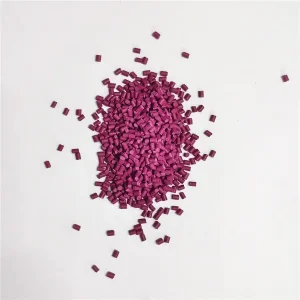
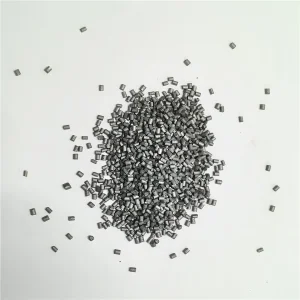
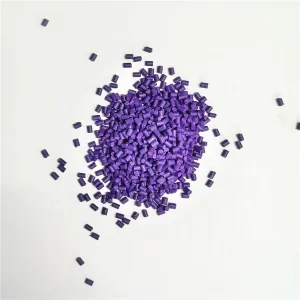
Get direct technical support, custom color formulations, Form E duty preferences, and rapid maritime shipping directly to your facility.
Send Inquiry Now