Premium PE-carrier color colorants engineered for high-speed blown film, precision cleanroom injection, and demanding technical extrusion lines serving Singapore manufacturing hubs.
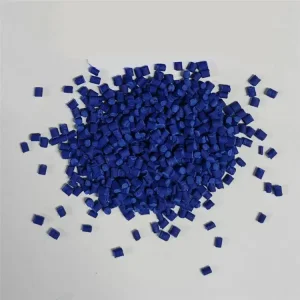
Formulated with premium organic phthalocyanine pigments for extreme tinting strength, thermal dispersion, and weatherability in blown film and injection molding.
View Specs & Pricing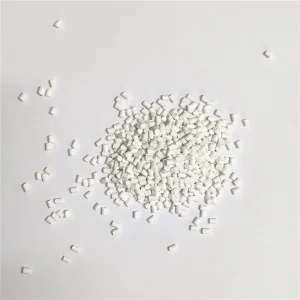
Engineered with up to 70% high-grade rutile titanium dioxide. Delivers superior opacity, UV resistance, and food-contact compliance for medical & packaging film.
View Specs & Pricing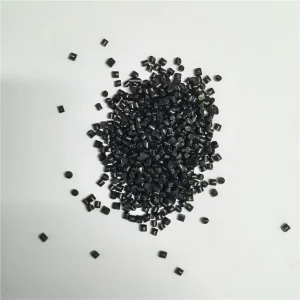
High-jetness furnace carbon black dispersion ensuring high blue-tone depth, electrical insulation stability, and zero filter blocking in high-speed extrusion.
View Specs & Pricing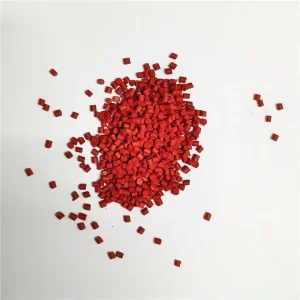
Vibrant chromophore structure offering exceptional lightfastness (Grade 7-8) and non-migratory performance for high-end consumer plastics and industrial containers.
View Specs & PricingSingapore stands as one of the world's most sophisticated technological and industrial powerhouses. Guided by the government's Manufacturing 2030 strategy—which aims to grow the country's manufacturing sector value-add by 50%—the nation has solidified its position as a global hub for advanced precision engineering, biomedical science, semiconductor packaging, and sustainable chemical processing. Centered around industrial landmarks such as Jurong Island, Tuas Biomedical Park, and the Jurong Innovation District, Singaporean manufacturers operate under stringent quality benchmarks, demanding sub-micron precision, zero-batch-variance raw materials, and flawless supply chain integration.
In the realm of advanced polymer conversion, polymer color masterbatch and functional filler masterbatch represent critical enablers. Whether manufacturing ultra-clean wafer handling trays for cleanrooms, high-barrier medical diagnostic packaging, or weather-resistant marine infrastructure components, OEM manufacturers operating in Singapore require masterbatch solutions that combine extreme thermal stability, chemical inertness, and flawless pigment dispersion. This technical whitepaper explores how advanced compounding technology from leading primary manufacturers—backed by Industry 4.0 automated production—satisfies the evolving demands of Singapore’s high-tech polymer processing ecosystem.
Key Insight for Singapore Procurement Officers: As Singapore accelerates toward its Green Plan 2030, masterbatch selection is no longer just about color consistency; it directly impacts raw material optimization, energy reduction during extrusion, cycle-time efficiency, and full compliance with international environmental directives including RoHS, REACH, and FDA food-contact standards.
Despite geographical constraints, Singapore accounts for approximately 10% of global semiconductor output and serves as a regional headquarters for 4 of the top 10 global medical technology companies. The industrial ecosystem requires raw material inputs engineered to resist harsh micro-environments and high-speed production cycles.
Singapore’s biomedical manufacturing sector produces high-value pharmaceuticals, diagnostic devices, and surgical implements. Packaging materials—primarily Polyethylene (PE), Polypropylene (PP), and cyclic olefin copolymers—require masterbatches formulated with virgin, non-toxic carrier resins. Key technical requirements include zero heavy-metal contamination, anti-static properties to prevent dust accumulation in cleanrooms, and colorants capable of surviving gamma irradiation or steam sterilization without color degradation (Delta E < 0.5).
In microelectronics assembly plants scattered across Tampines and Woodlands, ESD-safe (Electrostatic Discharge) carrier trays and protective films are indispensable. Masterbatches utilized in these applications must incorporate conductive carbon black or permanent non-migratory anti-static additives to prevent electrostatic damage to sensitive integrated circuits during transport.
With the National Environment Agency (NEA) pushing for circular economy models and mandatory packaging reporting, conversion plants in Singapore are rapidly integrating recycled plastics (rPE and rPP). This creates a technical challenge: recycled feedstocks often exhibit yellowing or inconsistent base tones. Custom grey, black, and high-opacity white masterbatches engineered with optical brighteners and neutralizing tint pigments allow Singaporean processors to utilize up to 50% post-consumer recycled (PCR) content while maintaining premium end-product aesthetics.
The global masterbatch market is experiencing a profound paradigm shift driven by chemical engineering breakthroughs in pigment dispersion, functional additive synergism, and smart extrusion compounding technology.
As Singaporean manufacturers navigate global economic fluctuations and raw material price volatility, partnering with established China-based manufacturing hubs—such as Changzhou Jiazhou Plastic Products Co., Ltd. (operating a 6,000 m² state-of-the-art compounding facility in Jiangsu)—provides a decisive competitive edge.
Computer-controlled loss-in-weight feeders guarantee batch-to-batch color reproducibility. Spectrophotometer analysis ensures strict Delta E values (<0.5), eliminating color variation between production lots shipped to Singapore.
With an annual compounding capacity exceeding tens of thousands of metric tons and direct partnerships with upstream pigment and titanium dioxide producers, Chinese masterbatch manufacturers provide unmatched cost-performance ratios.
Furthermore, maritime logistics between East China ports (such as Shanghai or Ningbo) and the Port of Singapore offer unparalleled frequency and speed. Standard transit times of just 5 to 7 days mean Singapore factories can maintain lean inventory levels while benefiting from agile, just-in-time (JIT) supply chains.
Masterbatch formulations must be tailored precisely to the processing method and end-use environment. Below is a breakdown of localized industrial applications serving Singapore-based polymer converters:
Used extensively in logistics courier bags, heavy-duty shopping bags, and agricultural protective films across Singapore. High dispersion PE masterbatch prevents bubble breakage and surface streaks.
Ideal for electrical appliance housings, automotive interior trim, and consumer goods produced in Jurong's industrial estates. Ensures high gloss, streak-free surfaces, and uniform shrinkage.
Engineered for HDPE municipal water pipes, telecommunication conduit, and marine cabling. Incorporates high-concentration UV stabilizers to withstand Singapore's intense tropical sunlight.
Comprehensive color spectrum and specialty effect masterbatches engineered to strictly comply with international quality, heat-resistance, and environmental safety standards.
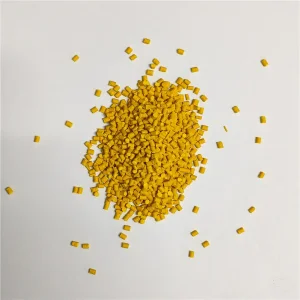
Non-bleeding, high-tint yellow pigment formulation designed for blow molded bottles, food containers, and blown film packaging.
View Specs & Pricing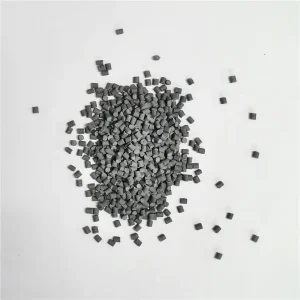
Precision-blended neutral grey masterbatch providing exceptional opacity, anti-aging properties, and consistent dispersion for structural plastics.
View Specs & Pricing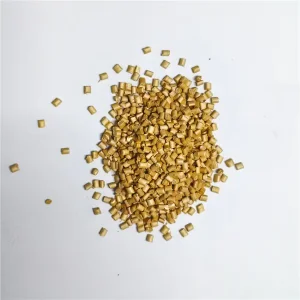
Specially coated metallic mica particles offering a luxurious gold finish without flow lines or structural weakening in injection molding.
View Specs & Pricing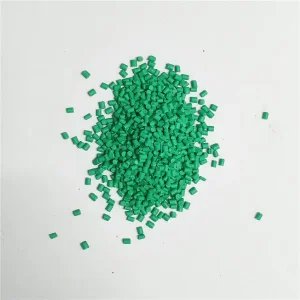
Phthalo green formulation providing vibrant tone, extreme weatherability, and high heat resistance for outdoor pipe and container applications.
View Specs & Pricing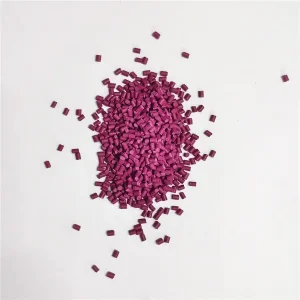
High-chroma magenta tone offering excellent thermal stability and chemical resistance for consumer goods and cosmetics packaging.
View Specs & Pricing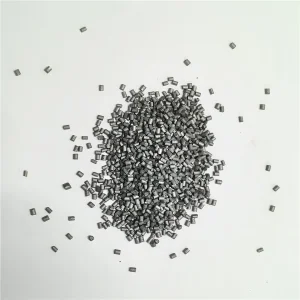
Silvery metallic flake dispersion with enhanced UV screening capability, engineered for high-end automotive parts and decorative caps.
View Specs & Pricing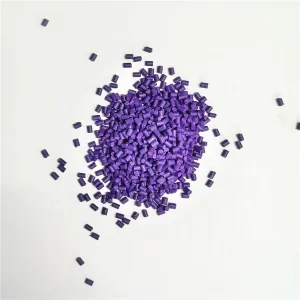
Deep violet pigment complex delivering brilliant color strength, low filter pressure value (FPV), and excellent melt flow compatibility.
View Specs & Pricing
Engineered for consistent grey coloration in heavy-duty polyolefin extrusion, profile molding, and electrical enclosures.
View Specs & PricingExpert answers regarding masterbatch dosing, carrier resin compatibility, international regulatory compliance, and shipping logistics to Singapore.
Partner with a proven 16-year masterbatch manufacturer. Request custom color matching, technical datasheets (TDS), or instant quotation for your processing plant.
Send Inquiry Now